
TODAY’S WORD: Connecting with History: Fostering Belonging and Continuity

HIGH FIVE!

The image you shared features a beautiful blend of historical and modern urban elements, which can hold significant meaning in our lives. Here are a few ways this can relate to you:

  1. Cultural Memory and Identity: Historic urban landscapes, like the one in your image, often evoke a sense of cultural memory and identity. They remind us of our roots and the history that has shaped our present. This can be particularly meaningful if you have an interest in biblical texts and their application to daily life, as these landscapes often reflect the passage of time and the enduring nature of human experiences1.
  2. Sense of Belonging: Being surrounded by such landscapes can foster a sense of belonging and continuity. It connects us to the past and helps us understand our place in the world. This can be comforting and grounding, especially in times of change or uncertainty2.
  3. Inspiration and Reflection: The contrast between the ancient tower and the modern buildings in the background can serve as a metaphor for balancing tradition and progress in your own life. It can inspire you to reflect on how you integrate your values and beliefs with contemporary challenges and opportunities3.
  4. Psychosocial Well-Being: Engaging with historic urban landscapes can enhance your psychosocial well-being by providing a sense of stability and continuity. It can also encourage mindfulness and appreciation for the beauty and complexity of the world around you1.

Exodus 13:3-10 is a passage that emphasizes the importance of remembering God’s deliverance of the Israelites from slavery in Egypt. Here are some key points and their significance:

  1. Remembrance of Deliverance: The passage begins with Moses instructing the Israelites to remember the day they were brought out of Egypt by God’s powerful hand. This act of remembrance is not just about recalling the event but actively engaging with it through rituals and teachings1.
  2. Feast of Unleavened Bread: The text outlines the observance of the Feast of Unleavened Bread, a seven-day period during which no leavened bread is to be eaten. This symbolizes purity and the removal of sin, as leaven often represents corruption in biblical texts1.
  3. Teaching Future Generations: Moses emphasizes the importance of teaching children about this deliverance. This ensures that future generations understand and appreciate God’s intervention and the significance of their freedom2.
  4. Sign and Memorial: The passage mentions that these observances will serve as a sign on the hand and a reminder on the forehead, symbolizing constant awareness and dedication to God’s commandments3.

LET’S GO2 WORK

TODAY’S WORD: 1 Corinthians 11: Unity, Love, Spiritual Gifts, and Ethical Living

HIGH FIVE!

The text “1 CORINTHIANS” on the image refers to the book of 1 Corinthians in the Bible. This book, written by the Apostle Paul, addresses various issues within the early Christian community in Corinth and provides practical guidance on living a Christian life.

Here are some key themes from 1 Corinthians and how they might relate to your life:

  1. Unity and Community: Paul emphasizes the importance of unity within the church and working together despite differences. This can relate to your role in Toastmasters, where fostering a supportive community is crucial.
  2. Love: One of the most famous passages in 1 Corinthians is about love (1 Corinthians 13:4-7). It highlights the qualities of love, such as patience and kindness, which can be applied to your interactions in both personal and professional settings.
  3. Spiritual Gifts: Paul talks about the diversity of spiritual gifts and how each person has a unique role to play (1 Corinthians 12). This can resonate with your experience in leadership roles, recognizing and valuing the different strengths of your team members.
  4. Moral and Ethical Living: The book provides guidance on ethical behavior and living a life that reflects Christian values. This aligns with your interest in applying biblical teachings to your life.
  5. Resurrection and Hope: Paul discusses the resurrection of Jesus and the hope it brings for eternal life (1 Corinthians 15). This theme can offer encouragement and a sense of purpose in your spiritual journey.

The lighthouse in the image symbolizes guidance and a safe path forward, much like the teachings in 1 Corinthians can provide direction and clarity in your life.

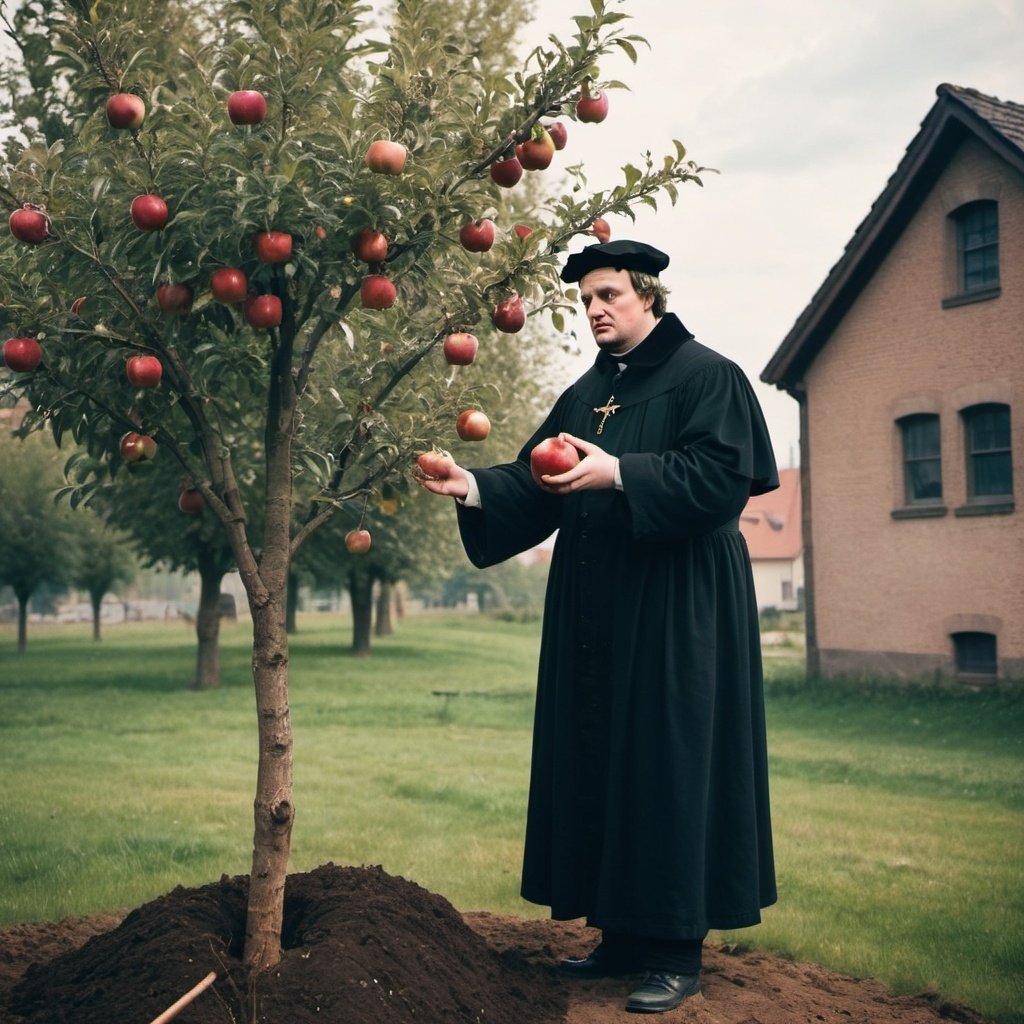
Even if I knew that tomorrow the world would go to pieces, I would still plant my apple tree.

Martin Luther (I LOVE MY ROTARY CLUB)

TODAY’S WORD: Life Lessons from Psalm 78: Reflecting, Learning, Sharing

HIGH FIVE!

The image that I have shared with you references Psalm 78 from the Bible. This Psalm is a significant passage that reflects on the history of Israel, emphasizing the importance of remembering God’s deeds and teachings. Here are some key themes and how you might relate them to your life:

Key Themes of Psalm 78:

  1. Historical Reflection: Psalm 78 recounts the history of Israel, highlighting God’s faithfulness and the people’s repeated disobedience12.
  2. Lessons from the Past: It underscores the importance of learning from past mistakes to avoid repeating them3.
  3. God’s Mercy and Patience: Despite the people’s rebellion, God remains merciful and patient, offering guidance and redemption3.
  4. Teaching Future Generations: The Psalm stresses the need to pass on these lessons and the knowledge of God’s works to future generations12.

Relating Psalm 78 to Your Life:

  1. Reflect on Your History: Consider your own life experiences and how you have seen faithfulness and guidance in your journey. Reflecting on past challenges and victories can provide valuable lessons.
  2. Learn from Mistakes: Just as the Psalm encourages learning from Israel’s mistakes, you can apply this by acknowledging your own missteps and striving to grow from them.
  3. Embrace Mercy and Patience: Recognize the moments when you have received mercy and patience, whether from others or in your spiritual journey. This can inspire you to extend the same to others.
  4. Share Your Story: Like the Psalmist, share your experiences and the lessons you’ve learned with others, especially younger generations. This can help them navigate their own paths with wisdom and faith.

By reflecting on these themes, you can find ways to integrate the teachings of Psalm 78 into your daily life, fostering a deeper understanding and connection to your faith.

TODAY’S WORD: Isaiah 25:6-10 – Hope, Comfort, and Celebration of Life

HIGH FIVE!

Isaiah 25:6-10 is a powerful passage that speaks of a future time when God will prepare a grand feast for all people, symbolizing divine provision, joy, and the ultimate victory over death and sorrow. Here’s a brief summary and its significance:

Summary of Isaiah 25:6-10

  • Verse 6: God will prepare a lavish banquet for all nations on Mount Zion, featuring the finest foods and wines.
  • Verse 7: God will destroy the shroud that enfolds all peoples, the sheet that covers all nations.
  • Verse 8: God will swallow up death forever, wipe away all tears, and remove the disgrace of His people from the earth.
  • Verse 9: People will proclaim their trust in God, rejoicing in His salvation.
  • Verse 10: The hand of the Lord will rest on this mountain, symbolizing His protection and blessing.

Significance and How to Relate It to Your Life

  1. Hope and Comfort: This passage offers hope that God will ultimately triumph over death and sorrow. In times of personal grief or hardship, you can find comfort in the promise that God will wipe away all tears and remove all disgrace.
  2. Faith and Trust: The proclamation of trust in God (verse 9) encourages you to place your faith in Him, especially during challenging times. Trusting in God’s plan can provide strength and resilience.
  3. Celebration of Life: The imagery of a grand feast symbolizes joy and abundance. It reminds you to celebrate the blessings in your life and to share joy with others.
  4. Community and Inclusion: The feast is prepared for all nations, highlighting the inclusivity of God’s love. This can inspire you to embrace and support a diverse community, fostering unity and compassion.

Reflecting on these themes can help you find deeper meaning and purpose in your daily life. How do you find hope and comfort in your faith?

The Power of Community Support and Prayer in Journey: Romans 15:22-33 Insights

HIGH FIVE!

The text “Romans 15:22-33” refers to a passage in the Bible where the Apostle Paul discusses his travel plans and requests prayers for his journey. Here are some key points and how you might relate them to your life:

  1. Paul’s Mission and Delays:
  2. Request for Prayers:
  3. Unity and Support:
  4. Generosity and Service:

To relate this passage to your life, consider how you can prioritize your responsibilities, seek support from your community, foster unity, and be generous in your actions. Reflect on your own journey and how you can align your actions with your values and mission.

Is there a specific aspect of this passage that resonates with you or that you’d like to explore further?

TODAY’S WORD: Learning from Jesus: The Power of Service in Mark 10:35-45

HIGH FIVE!

The text in the image refers to Mark 10:35-45 from the Bible. This passage is significant because it highlights the themes of service and humility. In these verses, James and John, two of Jesus’ disciples, ask for positions of honor in Jesus’ glory. Jesus responds by teaching that true greatness comes from serving others, not from seeking power or status.

Here are some key points from this passage:

  1. Request for Honor: James and John ask Jesus to grant them seats at his right and left in his glory.
  2. Jesus’ Response: Jesus explains that they do not understand what they are asking. He speaks of the “cup” he must drink and the “baptism” he must undergo, referring to his impending suffering and death.
  3. Teaching on Service: Jesus contrasts the worldly view of power with the kingdom of God, where greatness is measured by one’s willingness to serve others. He emphasizes that he came to serve and to give his life as a ransom for many12.

To relate this passage to your life, consider these reflections:

  • Embrace Humility: Instead of seeking recognition or power, focus on how you can serve others in your daily life.
  • Selflessness: Look for opportunities to help those around you, even in small ways. Acts of kindness and service can have a profound impact.
  • Follow Jesus’ Example: Reflect on how Jesus lived a life of service and sacrifice. Strive to emulate his example in your interactions with others.

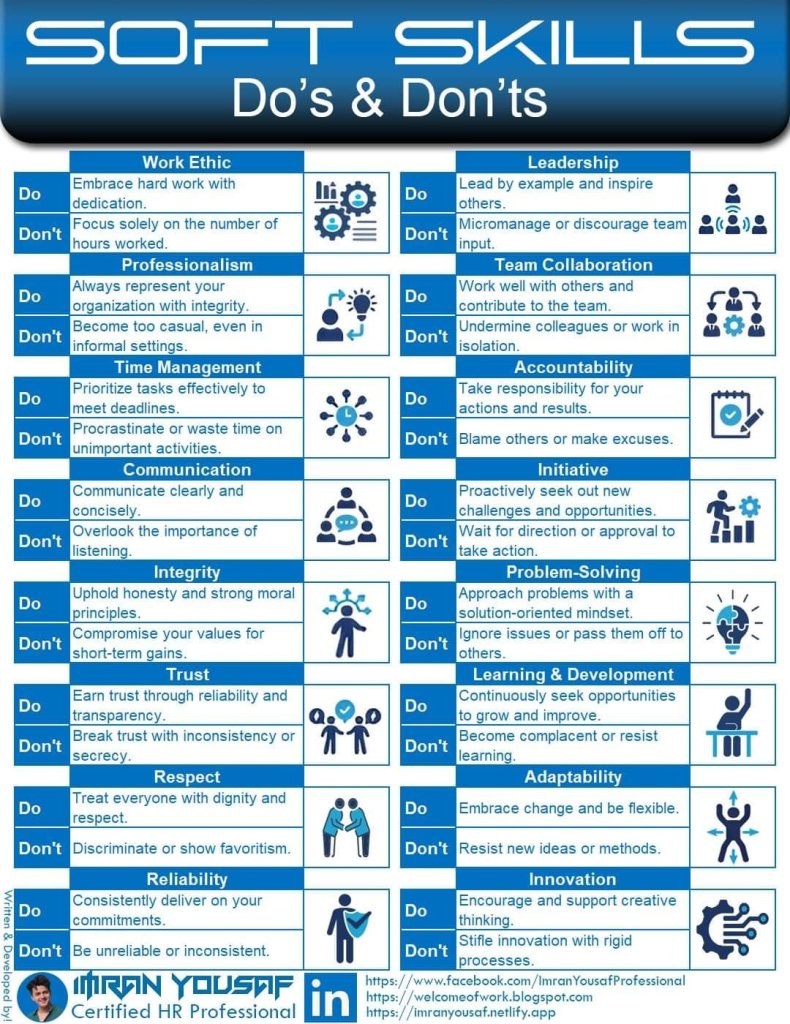
NO WORD TODAY (just a story): Transforming the Workplace: The Magic of Soft Skills at Harmony Inc.

HIGH FIVE!

In the bustling city of Progressville, there was a unique office known as Harmony Inc. This wasn’t just any office; it was a place where the magic of soft skills transformed the workplace into a haven of productivity and positivity.

Every morning, the employees of Harmony Inc. arrived with a sense of purpose. They embraced hard work with dedication, always representing their organization with integrity. In the heart of the office, a team of professionals collaborated seamlessly, each member contributing their unique strengths. They communicated clearly and concisely, ensuring that every voice was heard and valued.

One day, a challenging project landed on their desks. The team knew that success required more than just technical skills; it demanded accountability, time management, and a proactive approach. They prioritized tasks effectively, meeting deadlines with ease. When obstacles arose, they approached problems with a solution-oriented mindset, never compromising their values for short-term gains.

Leading by example, the managers inspired their teams to take initiative and seek out new challenges. They fostered an environment of trust through reliability and transparency, encouraging continuous learning and development. The office buzzed with creativity as employees embraced change and adapted to new ideas.

In this harmonious environment, respect was paramount. Everyone treated each other with dignity, embracing diversity and fostering a culture of inclusion. The team at Harmony Inc. consistently delivered on their commitments, supporting and encouraging innovative thinking.

As the project reached its successful conclusion, the employees of Harmony Inc. celebrated not just their achievement, but the journey they had taken together. They knew that their success was built on the foundation of strong soft skills, and they were ready to tackle any challenge that came their way.

And so, in the city of Progressville, Harmony Inc. continued to thrive, a shining example of what could be achieved when people worked together with integrity, respect, and a shared commitment to excellence.

GOING TO THAT SERVICE ON SUNDAY (let’s go2 the Old Press Building Today)

TODAY’S WORD: Divine Intervention and Resourcefulness: Lessons from 2 Kings 4:38-41

HIGH FIVE!

The text on the bag references 2 Kings 4:38-41, a passage from the Bible. This passage tells the story of the prophet Elisha, who miraculously purifies a pot of poisonous stew with flour, making it safe to eat during a time of famine.

Significance of the Text

This story highlights several key themes:

  1. Divine Intervention: It shows how faith and divine intervention can transform harmful situations into beneficial ones.
  2. Resourcefulness: Elisha uses a simple, everyday item (flour) to solve a serious problem, emphasizing the importance of resourcefulness and creativity.
  3. Hope and Provision: Even in times of scarcity, there is hope and provision through faith and wisdom.

Relating It to Your Life

You can draw inspiration from this passage in various ways:

  • Transforming Challenges: Just as Elisha transformed the poisonous stew, you can look for ways to turn negative situations into positive outcomes. This might involve seeking creative solutions or relying on your faith and inner strength.
  • Resourcefulness: Use the resources you have at hand, no matter how simple they may seem, to address challenges in your life.
  • Hope and Faith: Maintain hope and trust that solutions will come, even in difficult times. This can provide comfort and motivation to keep moving forward.

Reflecting on this passage can encourage you to see potential and possibilities in every situation, no matter how dire it may seem. 

TODAY’S WORD: Living in Harmony: Practicing Humility, Patience, and Thankfulness

HIGH FIVE!

The text from Colossians 3:12-17 emphasizes virtues such as compassion, kindness, humility, gentleness, patience, forgiveness, and love. It also encourages letting peace rule in your heart and being thankful. Here’s a brief breakdown of its significance and how you can relate it to your life:

  1. Compassion and Kindness: These virtues encourage us to be empathetic and considerate towards others. You can practice this by helping those in need and showing kindness in your daily interactions.
  2. Humility and Gentleness: These qualities remind us to be humble and gentle in our approach to others. This can be applied by listening more and speaking less, and by treating everyone with respect.
  3. Patience and Forgiveness: These virtues are about being patient with others and forgiving their mistakes. You can incorporate this by being more understanding and letting go of grudges.
  4. Love: Love is described as the virtue that binds all others together. You can practice love by showing care and concern for others, and by building strong, positive relationships.
  5. Peace and Thankfulness: Letting peace rule in your heart and being thankful can lead to a more content and harmonious life. You can practice this by finding inner peace through meditation or prayer, and by expressing gratitude for the good things in your life.

Reflecting on these virtues and striving to embody them can help you lead a more fulfilling and harmonious life. How do you think you might start incorporating these virtues into your daily routine?

TODAY’S WORD: John 20:1-18 – Significance, Faith, and New Beginnings

HIGH FIVE!

The text “John 20:1-18” refers to a passage in the Bible that describes the discovery of Jesus’ empty tomb and His resurrection. This event is central to Christian faith as it signifies Jesus’ victory over death and the promise of eternal life.

Significance of John 20:1-18

  1. Resurrection: This passage highlights the resurrection of Jesus, which is a cornerstone of Christian belief. It symbolizes hope, renewal, and the triumph of life over death1.
  2. Faith and Witness: Mary Magdalene’s encounter with the risen Jesus emphasizes the importance of faith and being a witness to God’s works. Despite her troubled past, she was chosen to be the first to see Jesus after His resurrection1.
  3. New Beginnings: The resurrection marks the beginning of a new era of life, not just in the afterlife, but a life filled with purpose, hope, and wholeness that starts now and extends into eternity2.

Relating It to Your Life

  1. Hope in Difficult Times: Just as Jesus overcame death, you can find hope and strength to overcome challenges in your life. This passage can remind you that difficult times are temporary and renewal is possible.
  2. Faith and Trust: Like Mary Magdalene, you can find inspiration to strengthen your faith and trust in God’s plan, even when things seem uncertain or challenging.
  3. New Beginnings: Embrace the idea of new beginnings and personal growth. Reflect on areas in your life where you can start anew, whether it’s in relationships, career, or personal goals.