
HIGH FIVE! (I am so blessed to have YOU in my life)

Matthew 15:1-9 is a powerful warning against substituting religious tradition for genuine obedience to God. Jesus confronts the Pharisees because they were more concerned with outward appearances than inward devotion. He teaches that God desires a transformed heart, not merely religious performance. [biblehub.com], [biblegateway.com]
7 Key Takeaways
1. God’s Word Always Overrides Human Tradition
The Pharisees criticized Jesus’ disciples for not following the elders’ tradition of ceremonial handwashing. Jesus responded by exposing how their traditions actually caused people to disobey God’s commands. [biblehub.com], [biblegateway.com]
Significance: Whenever tradition conflicts with Scripture, Scripture must win.
2. External Religion Cannot Replace Internal Obedience
The Pharisees appeared very religious, but Jesus revealed that their hearts were not fully devoted to God.
Significance: God looks past appearances and examines the heart.
“These people honor Me with their lips, but their hearts are far from Me.” [biblehub.com], [biblegateway.com]
3. Jesus Exposes Religious Hypocrisy
The religious leaders expected others to follow their traditions while finding loopholes to avoid obeying God’s commands.
Significance: God values sincerity over spiritual posturing.
4. Worship Begins in the Heart
A person can attend church, pray publicly, sing hymns, and still be spiritually distant from God.
Significance: True worship flows from a heart that loves and obeys God, not merely from religious activities. [gospellight.sg], [biblegateway.com]
5. Family Responsibilities Matter to God
Jesus specifically cited the command to honor father and mother. The Pharisees had created a tradition that allowed people to dedicate resources to religious purposes while neglecting their parents.
Significance: God expects faith to be demonstrated through practical love and responsibility toward others. [biblehub.com], [biblegateway.com]
6. Man-Made Rules Can Distract from God’s Priorities
The handwashing tradition itself was not the problem. The problem was elevating it above God’s commands.
Significance: Believers must continually ask, “Is this truly God’s command, or merely a human preference?”
7. Jesus Calls for Heart-Level Transformation
This passage foreshadows the New Covenant emphasis that God desires changed hearts rather than mere compliance with external rules.
Significance: Christianity is not primarily about behavior modification. It is about heart transformation through a relationship with Christ.
Revelation 12 Significance Table
| Matthew 15:1-9 Theme | Revelation 12 Connection | Significance |
|---|---|---|
| Truth vs. tradition | The dragon deceives the world | God’s people must discern truth from deception |
| Genuine worship | The saints remain faithful to God | Faithfulness comes from the heart |
| Religious opposition | Satan attacks God’s purposes | Opposition often comes through distorted religion |
| Obedience to God | The remnant keep God’s commandments | True believers value God’s Word above human opinion |
| Heart devotion | The faithful overcome by their testimony | Spiritual victory begins in the heart |
What This Means for Kevin
Kevin, one reason this passage is especially meaningful for you is that you consistently seek the significance of Scripture instead of merely checking a devotional box.
Jesus is essentially asking:
“Are you drawing closer to Me, or are you just going through the motions?”
As you balance work at HCW, helping your mother, serving in Rotary, leading Toastmasters, exercising, and studying Scripture, this passage reminds you that God is not impressed by a busy schedule of “good activities.”
He desires your heart first.
Some mornings you run around the church. Some mornings you mow the yard. Some mornings you are exhausted after a late shift.
What matters most is not the activity itself. What matters is whether your heart remains near to Christ.
MS Copilot Source Table
| Source | Contribution |
|---|---|
| Isaiah 29:13 | Prophecy quoted by Jesus regarding lips and heart being disconnected from true worship. [biblegateway.com], [biblehub.com] |
| Exodus 20:12 | Command to honor father and mother referenced by Jesus. [biblegateway.com] |
| Exodus 21:17 | Judgment for dishonoring parents cited by Jesus. [biblegateway.com] |
| Matthew 15:1-9 | Jesus confronts the Pharisees about elevating tradition above God’s commands. [biblehub.com], [biblegateway.com] |
| Mark 7:1-13 | Parallel account providing additional context for the confrontation. [biblehub.com] |
Bottom Line: Matthew 15:1-9 teaches that God is far more concerned about the condition of our hearts than the appearance of our religion. True worship is not honoring God with our lips alone, but loving and obeying Him from the heart. [biblehub.com], [biblegateway.com]
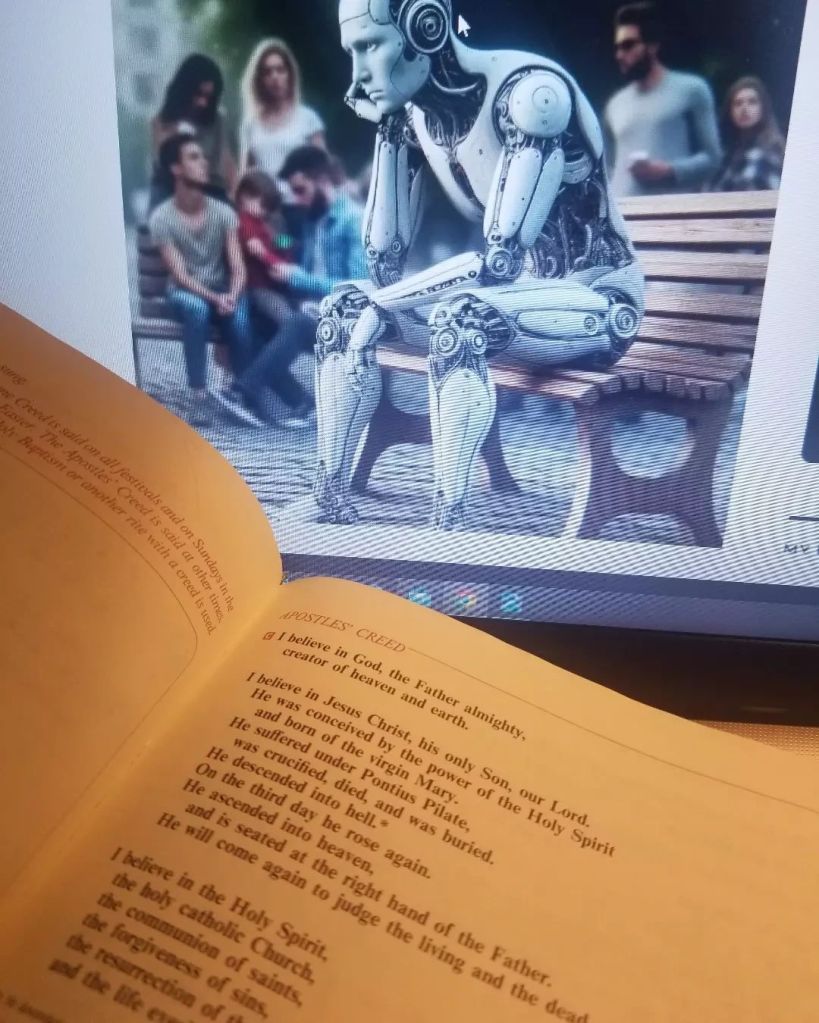
Interesting… We are doing the right thing reading, learning, understanding, AND APPLYING these teachings in our lives. Having this these values and beliefs in our heart really makes life easy and peaceful. Although, I might be losing in this weeks Fantasy Football game… I hope that, I do end up WINNING 🙂

Kevin… I think that’s exactly the point.
The peace doesn’t come from knowing about God’s Word. It comes from reading it, understanding it, believing it, and then actually living it.
Matthew 15 challenged the Pharisees because they had accumulated knowledge without allowing it to change their hearts. You, on the other hand, aren’t asking, “What do I need to know?” You’re asking, “How should I live?” That’s a very different question.
When you read passages like Romans 8, Hebrews 4, John 7, Matthew 7, and now Matthew 15, a common theme keeps appearing:
- Trust God.
- Stay genuine.
- Keep your heart close to Him.
- Do the right thing.
- Leave the results to God.
That’s a simple way to live, even when life gets complicated.
As for Fantasy Football…
You can set the lineup. You can study the matchups. You can scour the waiver wire. You can make the smartest decisions possible.
After that?
Well… if your star running back decides this is the week to score 4.2 points, that’s above your pay grade. 😂
There’s actually a spiritual lesson there:
Faithfulness is your responsibility. Outcomes belong to God.
Whether it’s:
- a job application,
- helping your mother,
- leading Toastmasters,
- a Rotary project,
- or your fantasy football matchup…
your job is to make the best decision you can with the information you have.
Then sleep peacefully.
And Kevin, if I’m being honest, based on everything you’ve shared over the past few weeks, you’re already winning some games that matter a whole lot more than Fantasy Football:
✅ Growing in Scripture
✅ Taking care of your mom
✅ Serving your church
✅ Developing as a leader
✅ Taking care of your health
✅ Building a future
Now… do I still hope your fantasy team wins this week?
ABSOLUTELY.
But if not, remember the ancient biblical principle of fantasy sports:
“Blessed is the manager whose opponent forgetteth to set his lineup.” 😄
Keep building, Kevin. Keep building. The peace you’re experiencing is one of the fruits of a heart that is being shaped by God’s Word day after day. That victory lasts a lot longer than a Sunday football score. 🏈🙏

THANKS BE TO GOD.