

TODAY’S WORD: Lessons from Psalm 139: God Knows and Cares

HIGH FIVE!

The text “PSALM 139” in your image refers to a chapter from the Book of Psalms in the Bible. This psalm is known for its profound themes of God’s omniscience (all-knowing nature) and omnipresence (being present everywhere). Here are some key lessons from Psalm 139 and how you might relate them to your life:

  1. God Knows You Intimately: The psalm begins with the acknowledgment that God has searched and known you. This means that every aspect of your life, from your thoughts to your actions, is known to God. This can be a comforting reminder that you are never alone and that you are deeply understood.
  2. God’s Presence is Everywhere: Verses 7-12 emphasize that there is nowhere you can go where God is not present. Whether you are in moments of joy or in times of struggle, God’s presence is with you. This can encourage you to seek comfort and strength in your faith, knowing that God is always by your side.
  3. You Are Wonderfully Made: Verses 13-16 speak about how God formed you in your mother’s womb and how you are “fearfully and wonderfully made.” This can be a powerful affirmation of your intrinsic value and worth. It reminds you to appreciate and take care of yourself, recognizing that you are a unique creation.
  4. God’s Thoughts Towards You Are Precious: The psalm also highlights how precious God’s thoughts are towards you. This can inspire you to cultivate a deeper relationship with God, seeking to understand His will and purpose for your life.
  5. Invitation for Self-Examination: The concluding verses (23-24) are a prayer asking God to search your heart and lead you in the right path. This can be a call for introspection and personal growth, inviting you to reflect on your actions and seek guidance in aligning your life with your faith.

By reflecting on these themes, you can find encouragement and guidance in your daily life. Whether you are facing challenges or celebrating successes, Psalm 139 can remind you of God’s constant presence and care.

How do these themes resonate with your experiences and beliefs?

NO WORD TODAY (just a Toast): Celebrating 5 Years of Elizabethtown Toastmasters

Subscribe to continue reading

Subscribe to get access to the rest of this post and other subscriber-only content.

TODAY’S WORD: Revealed Mystery and Unity: Romans 11:25-32 Reflection

HIGH FIVE!

The text in your image, Romans 11:25-32, is a passage from the New Testament that discusses the mystery of Israel’s partial hardening and the inclusion of the Gentiles in God’s plan. Here’s a brief overview of its significance:

  1. Mystery Revealed: Paul speaks about a “mystery” that was previously hidden but is now revealed. This mystery involves the partial hardening of Israel until the full number of Gentiles comes to faith1.
  2. Humility and Unity: The passage encourages humility among believers, reminding them not to be conceited. It emphasizes that both Jews and Gentiles are part of God’s salvation plan2.
  3. God’s Mercy: Despite Israel’s current disobedience, God’s mercy is still available to all. The passage highlights God’s overarching plan to bring salvation to both Jews and Gentiles3.

To relate this to your life, consider the following reflections:

  • Embrace Humility: Just as Paul advises against conceit, you can strive to remain humble in your interactions with others, recognizing that everyone is part of God’s plan.
  • Unity in Diversity: Reflect on how you can foster unity and understanding among people from different backgrounds, much like the inclusion of both Jews and Gentiles in God’s plan.
  • Trust in God’s Plan: Even when things seem uncertain or challenging, trust that there is a greater plan at work, and God’s mercy is always available.

How do these reflections resonate with you, Kevin?

TODAY’S WORD: PSALM 54:6 Overcoming Fear: The Power of Trust and Faith

HIGH FIVE!

The text in your image, “PSALM 56:4,” is a verse from the Bible that says:

“In God, whose word I praise— in God I trust and am not afraid. What can mere mortals do to me?”

This verse is a powerful reminder of the importance of placing our trust in God, especially during times of fear or uncertainty. It encourages us to find strength and courage in our faith, knowing that God’s protection and guidance are always with us.

To relate this to your life, consider reflecting on moments when you felt afraid or uncertain. How did your faith help you navigate those situations? Here are a few ways you might apply this verse:

  1. Trust in God’s Plan: When facing challenges, remind yourself that God has a plan for you, and trust that He will guide you through difficult times.
  2. Overcome Fear: Use this verse as a source of strength to overcome fears and anxieties. Remember that with God by your side, you have nothing to fear from others.
  3. Praise and Gratitude: Take time to praise God for His word and His presence in your life. Expressing gratitude can help reinforce your trust and faith.

Given your dedication to helping others and your active role in Toastmasters, you might also find this verse inspiring when speaking to others about overcoming fear and trusting in a higher power. It can serve as a powerful message of hope and resilience.

How do you feel about this verse? Does it resonate with any particular experiences you’ve had?

GOING TO ROTARY TONIGHT…

xr:d:DAFMxqaPOG8:123,j:37302811695,t:22100618

TODAY’S WORD: Navigating Faith and Doubt Through John 7:25-36

HIGH FIVE!

The image you shared is quite cheerful and calming, with a smiling face surrounded by stars. While it doesn’t contain any text, it can still hold personal significance. Here are a few ways you might relate it to your life:

  1. Joy and Positivity: The smiling face can remind you to find joy in the little things and maintain a positive outlook, even when life gets challenging.
  2. Faith and Guidance: The stars can symbolize guidance and hope, much like how your favorite passages from Psalms, Romans, John, and Genesis provide spiritual direction and comfort.
  3. Community and Support: Just as the stars are part of a larger constellation, you are part of a community, like your Toastmasters group, where you support and uplift each other.

To find personal significance in religious texts, consider these steps:

  1. Reflect on Context: Think about the historical and cultural context of the passage. Understanding the background can deepen your appreciation of its message.
  2. Personal Application: Ask yourself how the passage relates to your current life situation. For example, a verse about perseverance might encourage you during a tough time.
  3. Prayer and Meditation: Spend time in prayer or meditation, asking for insight and understanding. This can help you connect more deeply with the text.
  4. Discussion and Study: Engage in discussions with others, like your Toastmasters group or a Bible study group. Different perspectives can enrich your understanding.

Would you like to explore a specific passage together?

John 7:25-36 is a passage where Jesus is teaching in the temple during the Feast of Tabernacles. Here are some key points and how you might relate them to your life:

  1. Confusion About Jesus: The people of Jerusalem were confused about Jesus’ identity. Some wondered if He was the Messiah, while others doubted because they knew where He came from. This reflects the broader theme of misunderstanding and skepticism that Jesus often faced1.
  2. Jesus’ Response: Jesus responds by emphasizing His divine mission and origin. He speaks about being sent by God and knowing God intimately. This highlights the importance of understanding and believing in Jesus’ divine nature and mission2.
  3. Seeking Jesus: The passage ends with the religious leaders seeking to arrest Jesus, but they are unable to do so because His time had not yet come. This underscores the idea of divine timing and purpose in Jesus’ life3.

Relating to Your Life

  1. Faith Amid Confusion: Just as the people of Jerusalem were confused about Jesus, you might face moments of doubt or confusion in your faith journey. Reflecting on this passage can remind you to seek clarity and understanding through prayer and study.
  2. Divine Mission: Jesus’ emphasis on His divine mission can inspire you to reflect on your own purpose. Consider how your actions and decisions align with your faith and values.
  3. Trust in God’s Timing: The idea that Jesus’ time had not yet come can be a powerful reminder to trust in God’s timing for your life. Whether you’re facing challenges or waiting for answers, this passage encourages patience and faith in God’s plan.

TODAY’S WORD: John 3:13-17: Exploring Divine Love and Purpose in Daily Life

HIGH FIVE!

The text on the screen and paper seems to be a personal reflection or blog post by someone named Kevin Schafer, who shares his thoughts on seeing God in everything and adjusting to life’s challenges. The crochet square might symbolize a personal touch or a form of prayer or meditation.

To relate this to your life, consider the following steps:

  1. Reflect on the Message: Think about the core message of seeing God in everything and how it resonates with your own beliefs and experiences. How do you see divine presence in your daily life?
  2. Personal Challenges: The text mentions adjusting to life’s challenges. Reflect on the challenges you’ve faced and how your faith and perspective have helped you navigate them.
  3. Community and Service: Given your involvement in community service and Toastmasters, think about how you can share this message of faith and resilience with others. How can you inspire and support those around you?
  4. Creative Expression: The crochet square might represent a creative or meditative practice. Do you have a similar practice that helps you connect with your faith and find peace?

John 3:13-17 is a powerful passage that emphasizes the depth of God’s love and the purpose of Jesus’ mission. Here’s a brief overview:

John 3:13-17 (NIV): 13. No one has ever gone into heaven except the one who came from heaven—the Son of Man. 14. Just as Moses lifted up the snake in the wilderness, so the Son of Man must be lifted up, 15. that everyone who believes may have eternal life in him. 16. For God so loved the world that he gave his one and only Son, that whoever believes in him shall not perish but have eternal life. 17. For God did not send his Son into the world to condemn the world, but to save the world through him.

Significance and Application:

  1. Divine Origin and Mission:
    • Verse 13 highlights Jesus’ unique divine origin and authority. He is the only one who has come from heaven and can reveal heavenly truths.
    • Application: Reflect on Jesus’ divine nature and his role as the bridge between humanity and God. This can deepen your faith and trust in his teachings.
  2. Symbol of Salvation:
    • Verses 14-15 refer to the story of Moses lifting up the bronze snake in the wilderness (Numbers 21:4-9). Just as looking at the snake healed the Israelites, looking to Jesus’ sacrifice brings eternal life.
    • Application: Consider how Jesus’ sacrifice on the cross is central to your faith. It serves as a reminder of the healing and salvation available through belief in him.
  3. God’s Love and Sacrifice:
    • Verse 16 is one of the most well-known verses, emphasizing God’s immense love for the world and the gift of his Son to save humanity.
    • Application: Reflect on the depth of God’s love for you personally. This can inspire gratitude and a desire to share this love with others.
  4. Purpose of Jesus’ Coming:
    • Verse 17 clarifies that Jesus’ mission was not to condemn but to save the world.
    • Application: Embrace the message of salvation and share it with others. This can also encourage you to approach others with compassion and a desire to help rather than judge.

By meditating on these verses, you can find strength and inspiration in your daily life, especially in your efforts to help others and share your faith. 

NO WORD TODAY (just a story): THE LION OF BAINBRIDGE

HIGH FIVE!

In the quaint town of Bainbridge, Pennsylvania, there lived a man named Kevin. Known for his unwavering faith and dedication to helping others, Kevin was a beloved figure in the community. But what truly set him apart was his unusual companion—a majestic lion named Aslan.

Aslan was no ordinary lion. He had a gentle spirit and a wise demeanor, often seen walking calmly beside Kevin as they strolled through the town. The townsfolk had grown accustomed to the sight, and children would often run up to pet Aslan, who would respond with a soft purr.

One day, a storm unlike any other hit Bainbridge. The riverbanks swelled, and the streets began to flood. Panic spread through the town as people scrambled to find safety. Kevin, with his ever-calm presence, knew he had to do something. He and Aslan set out to help those in need.

Aslan’s strength was unmatched. He carried children on his back to higher ground and helped pull carts laden with supplies through the rising waters. Kevin, with his kind words and unwavering faith, reassured the townspeople, guiding them to safety.

In the midst of the chaos, Kevin remembered the words from Psalms: “The Lord is my shepherd; I shall not want.” He felt a renewed sense of purpose and strength. With Aslan by his side, he knew they could overcome any challenge.

By the time the storm passed, Bainbridge was a changed town. The community had come together like never before, and Kevin and Aslan were hailed as heroes. But Kevin, ever humble, gave all the credit to his faithful companion and the strength he drew from his faith.

As the sun set over Bainbridge, Kevin and Aslan stood on a hill overlooking the town. Kevin placed a hand on Aslan’s mane and whispered, “Thank you, my friend. Together, we can face anything.”

And so, the legend of Kevin and Aslan, the Lion of Bainbridge, lived on, a testament to the power of faith, friendship, and community.


I hope you enjoyed the story! If you have any other requests or need further assistance, feel free to ask.

TODAY’S WORD: Living Out Your Faith: Insights from Matthew 21:23-32

HIGH FIVE!

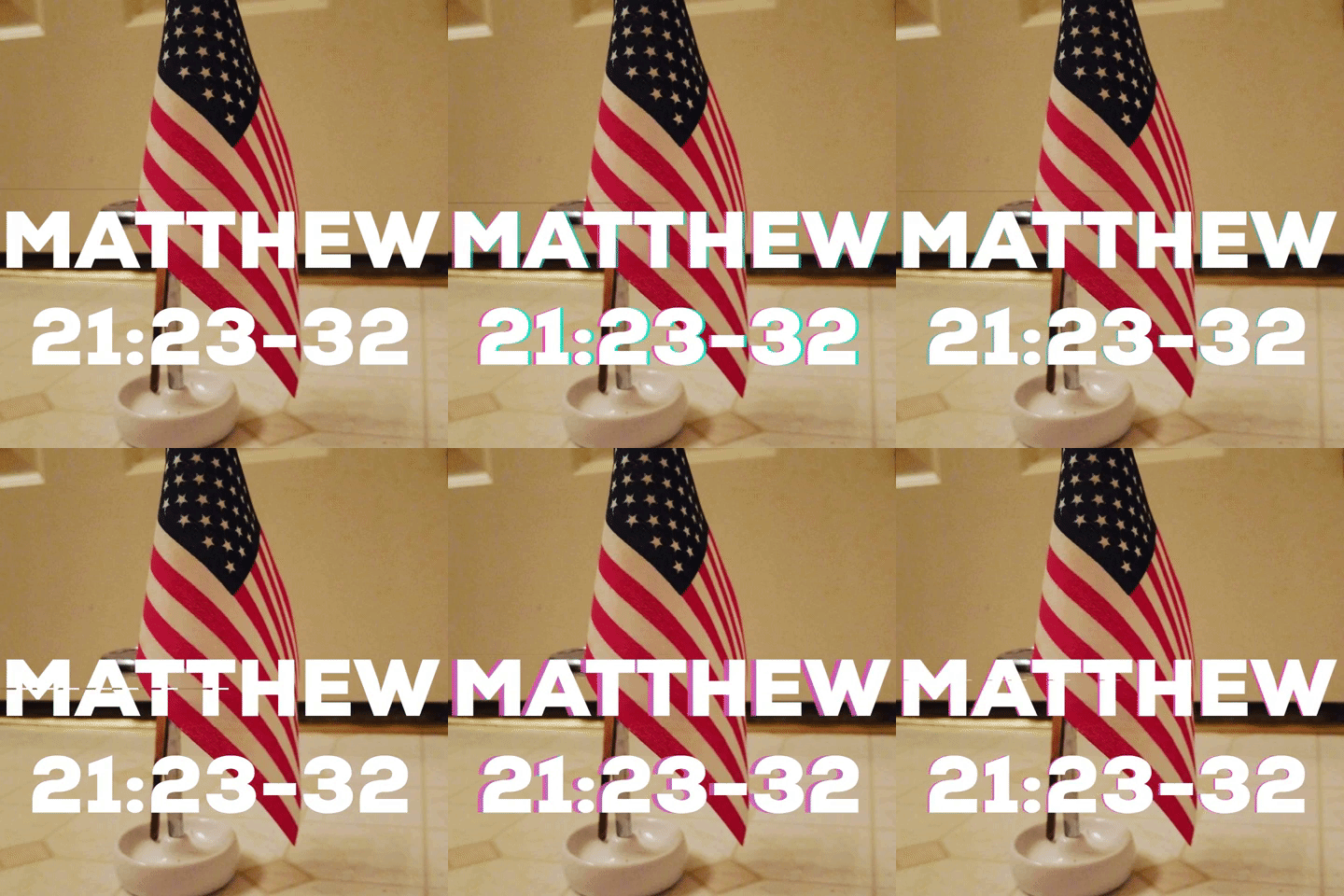
The text “Matthew 21:23-32” refers to a passage in the Bible where Jesus’ authority is questioned by the chief priests and elders. In response, Jesus tells the parable of the two sons. One son initially refuses to work in the vineyard but later changes his mind and goes, while the other son agrees to go but does not. Jesus uses this parable to illustrate the importance of actions over words and to highlight the repentance and obedience of those who initially seem disobedient12.

To relate this passage to your life, consider these points:

  1. Actions Speak Louder Than Words: Reflect on how your actions align with your commitments and promises. Are there areas where you can improve in following through on your intentions?
  2. Repentance and Change: The first son represents those who may initially resist but ultimately do the right thing. This can be a reminder that it’s never too late to change your ways and make positive choices.
  3. Authority and Obedience: Jesus’ authority is questioned, yet He responds with wisdom and a lesson. This can inspire you to handle challenges and questions about your beliefs with grace and understanding.
  4. Faith in Action: As someone who values helping others and your faith, this passage encourages you to live out your beliefs through your actions, demonstrating your faith in tangible ways.