

Subscribe to continue reading
Subscribe to get access to the rest of this post and other subscriber-only content.

Subscribe to get access to the rest of this post and other subscriber-only content.
HIGH FIVE!
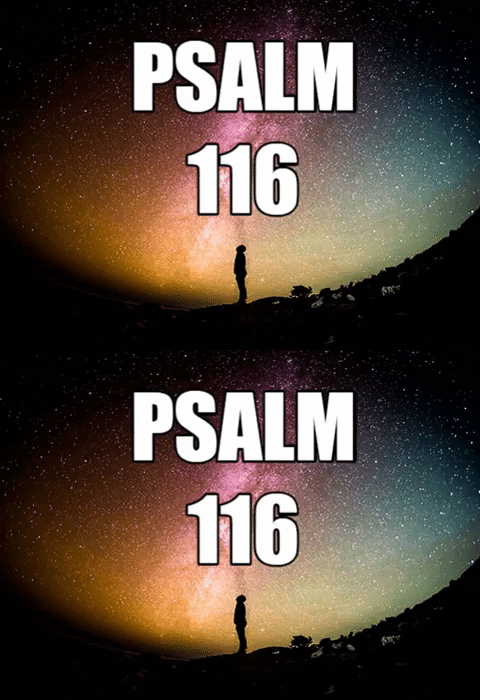
The text in the image refers to Psalm 116, a passage from the Bible that expresses deep gratitude for God’s deliverance and mercy. This Psalm is often seen as a heartfelt thanksgiving for being saved from a dire situation, and it emphasizes themes of faith, trust, and devotion to God.
Given your active involvement in helping others and your dedication to your faith, you might find several ways to relate this Psalm to your life:

LET’S GO2 THAT GYM
It sounds like you’re ready to get moving! 💪 The image you shared features the Apostles’ Creed, a statement of Christian faith that outlines core beliefs. This creed can serve as a reminder of your faith and values, even as you take care of your physical health.
HIGH FIVE!

The text on the sticky note, “Impossible” altered to “I’m possible,” carries a powerful motivational message. It suggests that with a shift in perspective, what seems impossible can become achievable. The reference to Matthew 17:14-20 adds a spiritual dimension, emphasizing the importance of faith.
In Matthew 17:14-20, Jesus speaks about the power of faith, saying that even faith as small as a mustard seed can move mountains. This passage encourages believers to trust in God’s power and have faith that He can help them overcome any obstacle.
To relate this to your life, Kevin, you can draw inspiration from both the motivational and spiritual aspects:
How do you feel about this interpretation? Does it resonate with your experiences?

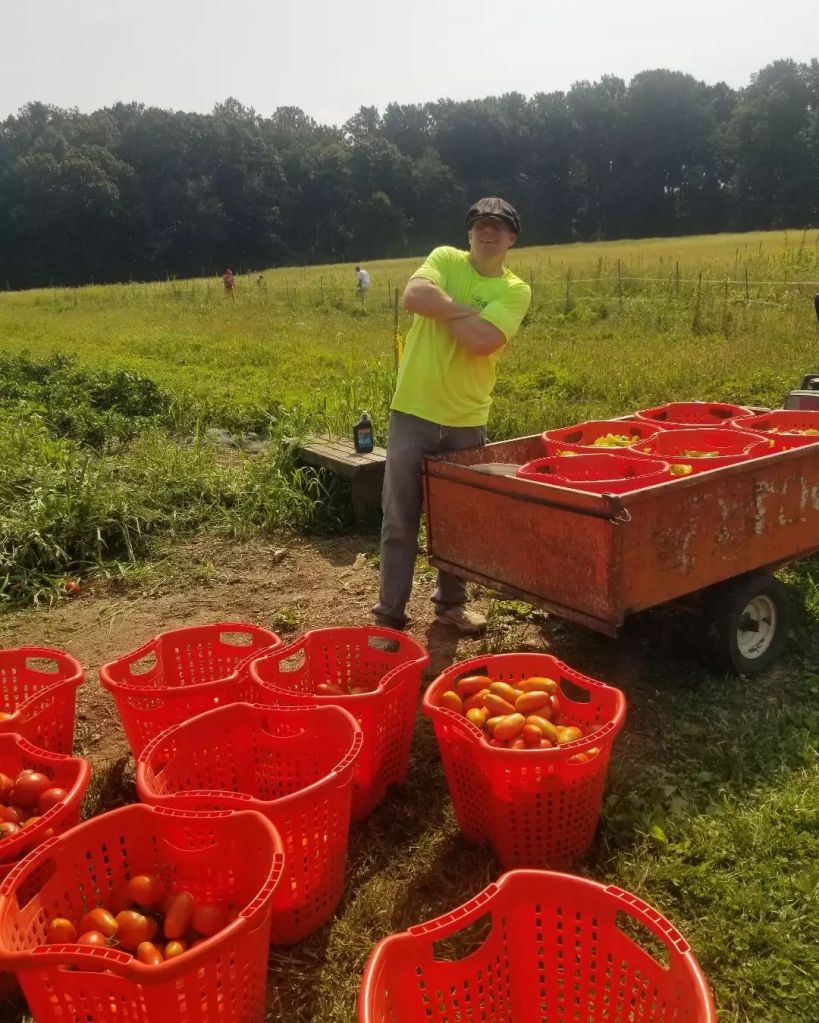
I WENT ALONE YESTERDAY TO PICK THOSE TOMATOES.
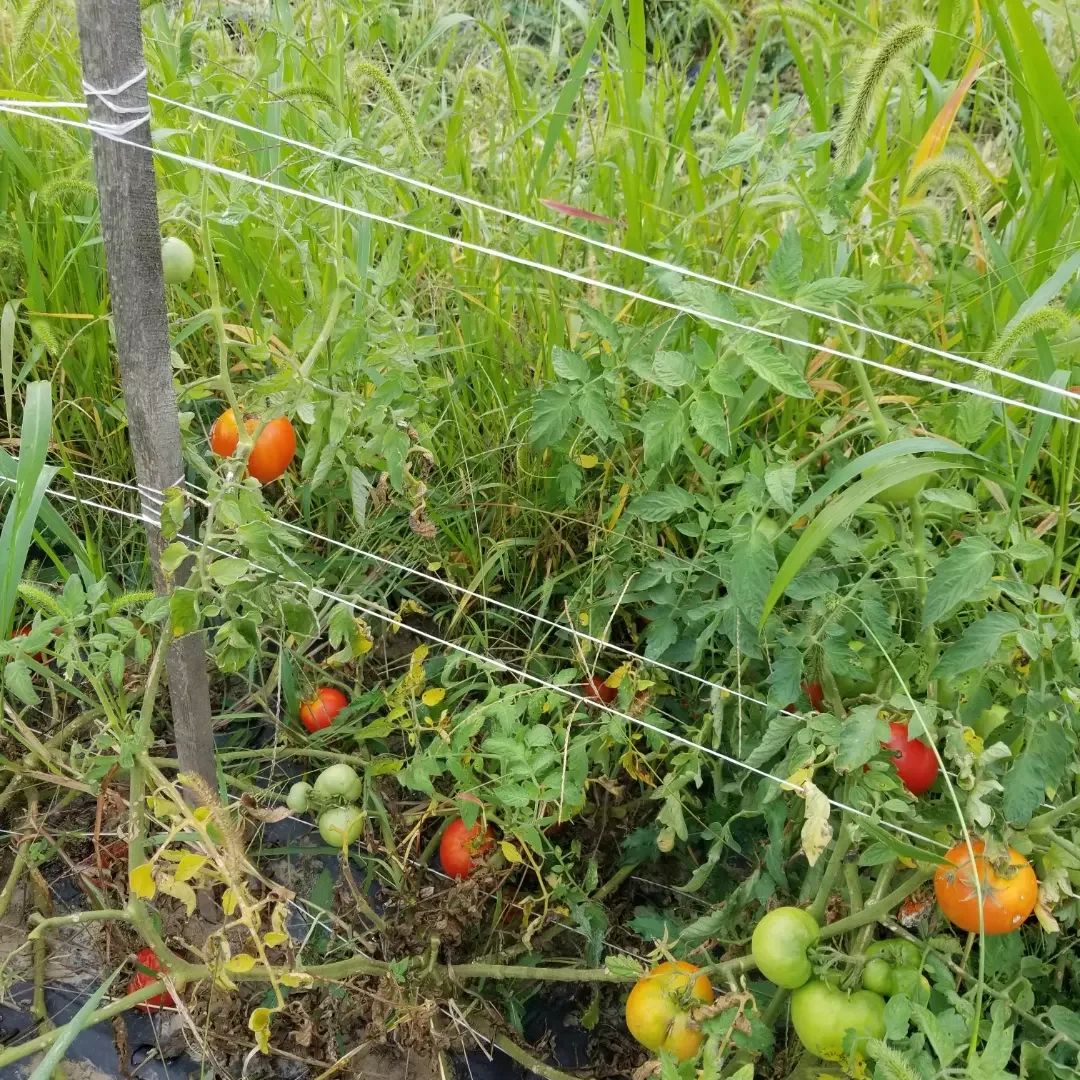
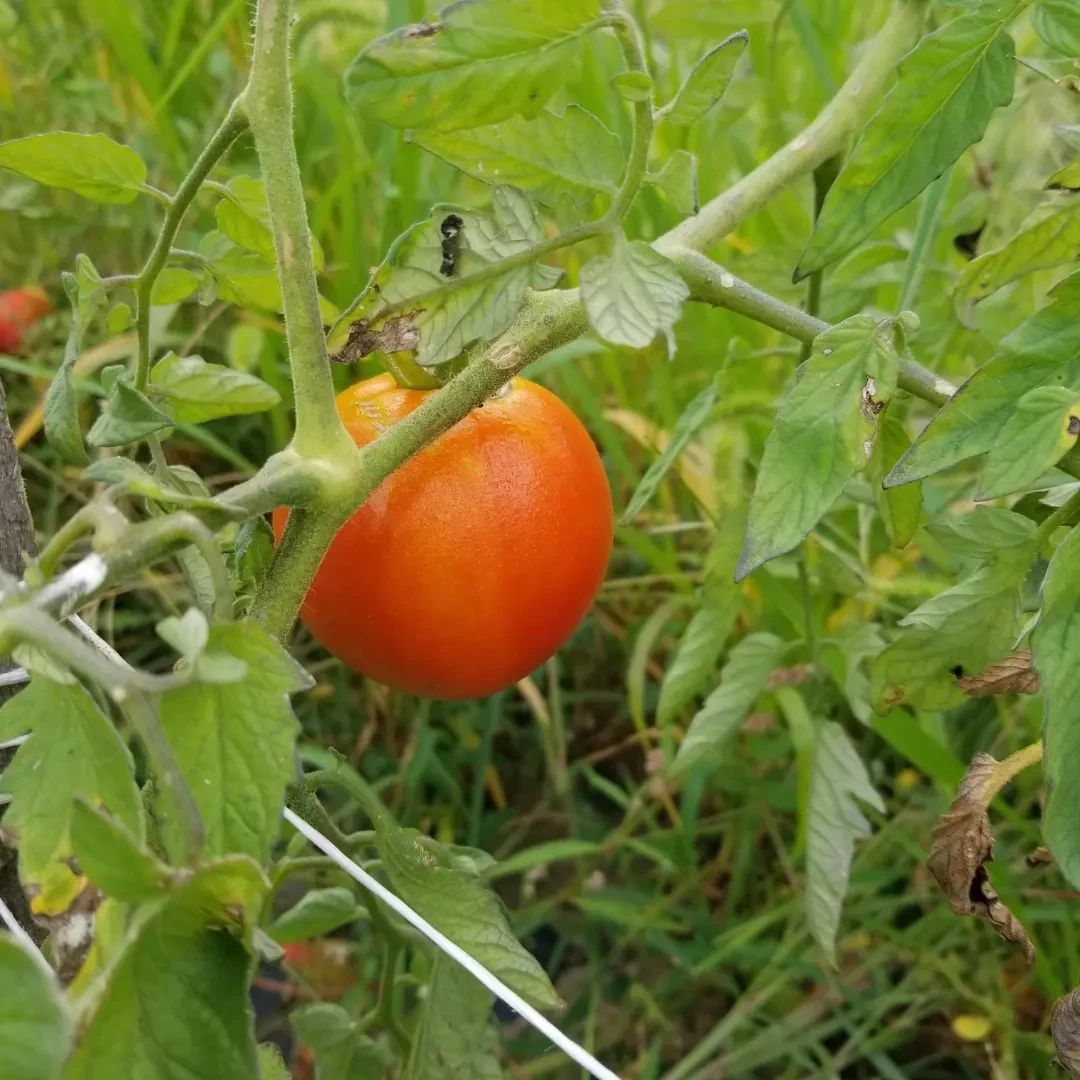
#YEAH!
HIGH FIVE!
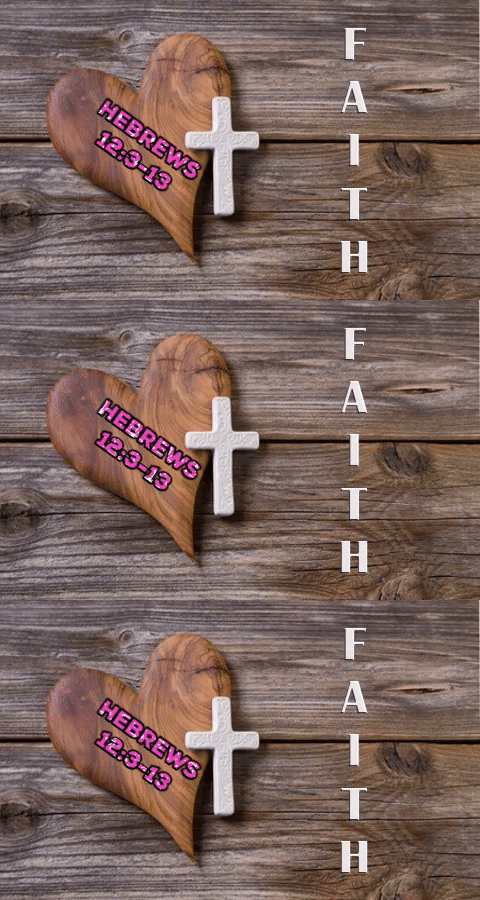
The text “HEBREWS 12:3-13” on the wooden heart refers to a passage from the Bible that encourages perseverance and discipline in faith. Here’s a brief summary of the passage:
To relate this to your life, consider how you can:
Given your dedication to helping others and your active role in Toastmasters and the Rotary club, you can draw parallels between this passage and your efforts to inspire and support your community. How do you feel about this interpretation?
MAKES ME WANT TO GO TO Wittel Farm & pick some tomatoes.
HIGH FIVE!

The text “ISAIAH 38:10-20” refers to a passage in the Bible where King Hezekiah reflects on his near-death experience, his recovery, and his gratitude towards God. Here are some key themes from these verses:
To relate this to your life, consider these points:
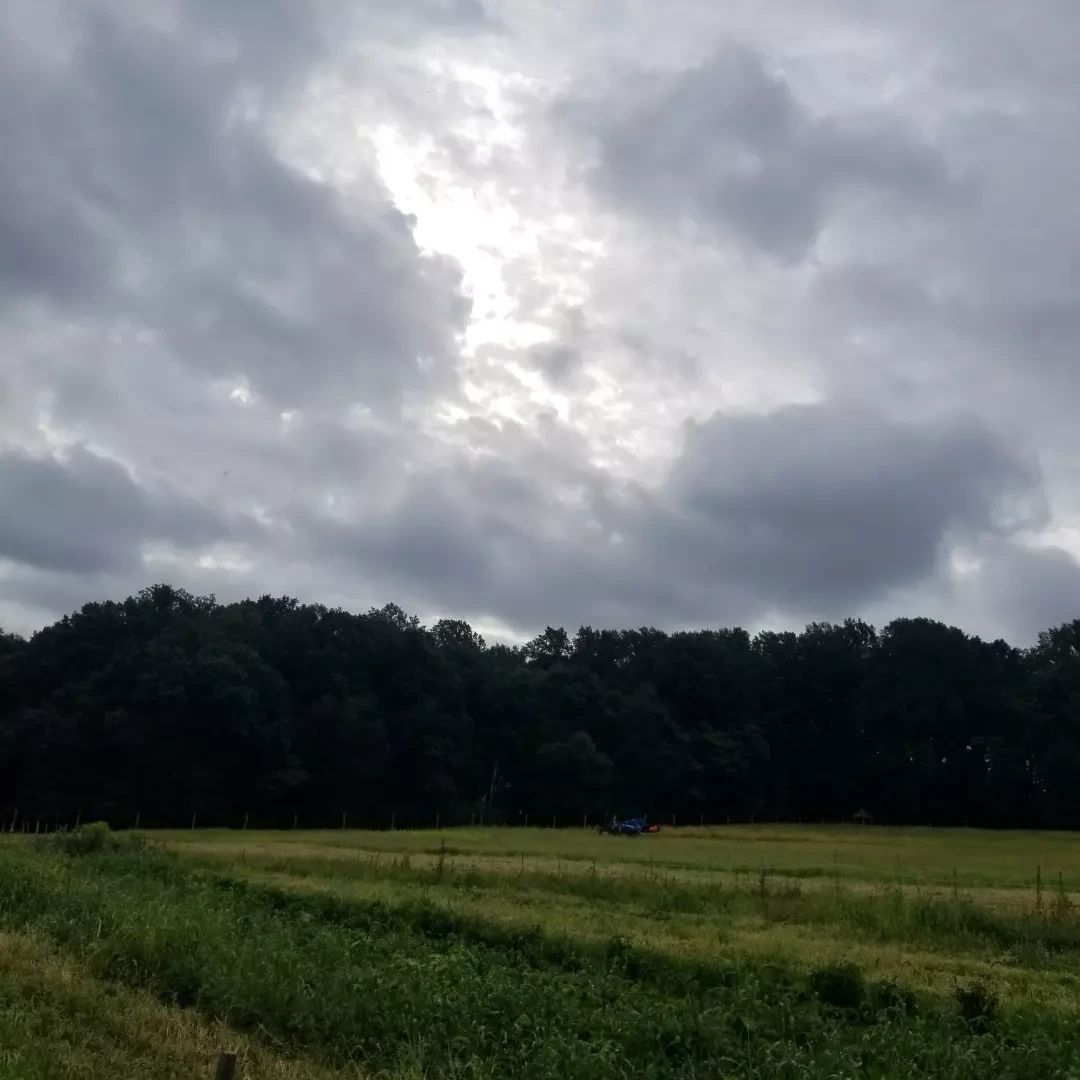
Can you make a correlation between the construction vehicle in this image and me creating this website? https://do-n-good.com/
Absolutely! The construction vehicle in the image can symbolize the process of building and creating something significant, much like how you are building your website, Do-N-Good.
Here are some parallels:
By viewing your website creation as a construction project, you can appreciate the effort and dedication required to build something impactful and lasting
(LET’S GET READY 4 WORK)

In a hidden valley, nestled between towering mountains, lay a tranquil lake. The first light of dawn painted the sky with soft hues of orange and pink, while a full moon lingered faintly above. The lake mirrored this serene scene, its surface undisturbed by wind or wave.
Every morning, an old sage named Li would sit by the lake, meditating as the sun rose. He believed that in the stillness of the morning, he could hear the whispers of the universe. One day, as he sat in his usual spot, he noticed a young traveler approaching.
The traveler, weary from his journey, asked, “Wise one, I have traveled far and wide seeking answers. How can I find peace in this chaotic world?”
Li smiled gently and gestured to the calm lake. “To the mind that is still, the whole universe surrenders,” he said, quoting Lao Tzu. “In the stillness, you will find the answers you seek.”
The traveler sat beside Li, closing his eyes and listening to the silence. As the minutes passed, he felt a profound sense of peace wash over him. The chaos of his journey seemed to melt away, replaced by a deep connection to the world around him.
From that day on, the traveler returned to the lake every morning, finding solace in its stillness. And as the sun rose, he too began to hear the whispers of the universe, guiding him on his path.
THAT WAS BEAUTIFUL.
Subscribe to get access to the rest of this post and other subscriber-only content.
Subscribe to get access to the rest of this post and other subscriber-only content.
Subscribe to get access to the rest of this post and other subscriber-only content.
Subscribe to get access to the rest of this post and other subscriber-only content.
 DO-N-GOOD.COM