

HIGH FIVE!
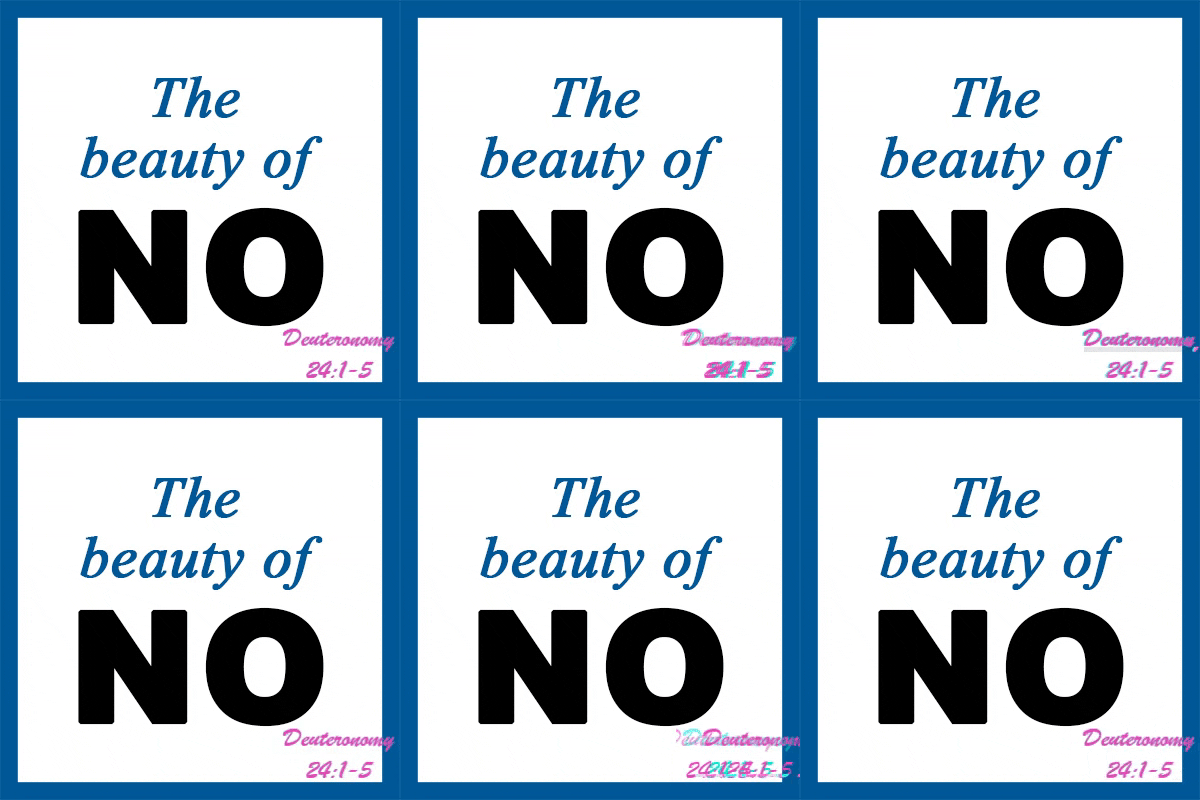
The image contains text that appears to be making a statement about the value or importance of saying “NO”.
The main text reads: “The beauty of NO”
Below that, in smaller text, there’s a biblical reference: “Deuteronomy 24:1-5”
This juxtaposition suggests that the concept of saying “no” or refusing something is being framed as beautiful or positive, and potentially supported by the referenced biblical passage.
The phrase “The beauty of NO” implies that there can be something attractive, beneficial, or freeing about declining, refusing, or setting boundaries. This goes against the common notion that saying “yes” is always preferable or more positive.
The biblical reference to Deuteronomy 24:1-5 adds a religious context, though without looking up the specific verses, it’s not immediately clear how they relate to the concept of “no”. This reference invites the viewer to consider how religious teachings might support or relate to the idea of refusal or boundary-setting.
Overall, the image seems to be promoting a positive view of saying “no”, framing it as something beautiful and potentially supported by religious text, rather than as something negative or undesirable.

How can I relate Deuteronomy 24:1-5 to my life?
To relate Deuteronomy 24:1-5 to your life, it’s important to first understand the context and content of these verses, then consider how their principles might apply in a modern context. Here’s an approach:
- Understand the passage: Deuteronomy 24:1-5 primarily deals with regulations about marriage, divorce, and military service in ancient Israelite society. The key points are:
- Guidelines for divorce procedures
- Protections for newly married men from military service
- Extract general principles:
- Protection of vulnerable parties in relationships
- Importance of establishing new marriages
- Balancing societal duties with personal/family life
- Modern application: While the specific laws aren’t directly applicable today, you can consider the underlying principles:
- Relationships: Reflect on the importance of commitment in relationships and treating partners with respect and fairness.
- Work-life balance: Consider how you balance work obligations with personal and family time, especially during significant life changes.
- Legal and ethical considerations: Think about how laws and ethical guidelines in your society protect individuals in various situations.
- Compassion and fairness: Reflect on how you can show compassion and fairness in your interactions with others, especially in challenging situations.
- Setting boundaries: The passage implicitly supports the idea of setting boundaries (like the exemption from military service for newlyweds). Consider areas in your life where setting healthy boundaries might be beneficial.
- Cultural context: Reflect on how cultural and societal norms influence your personal decisions and relationships, and how these norms have changed over time.
Remember, applying ancient texts to modern life requires careful interpretation and consideration of current ethical and legal standards. The goal is to extract wisdom and principles that can guide ethical decision-making and personal growth in your current context.
NO WORK TODAY (let’s go2 Happy Valley)
 DO-N-GOOD.COM