

HIGH FIVE!
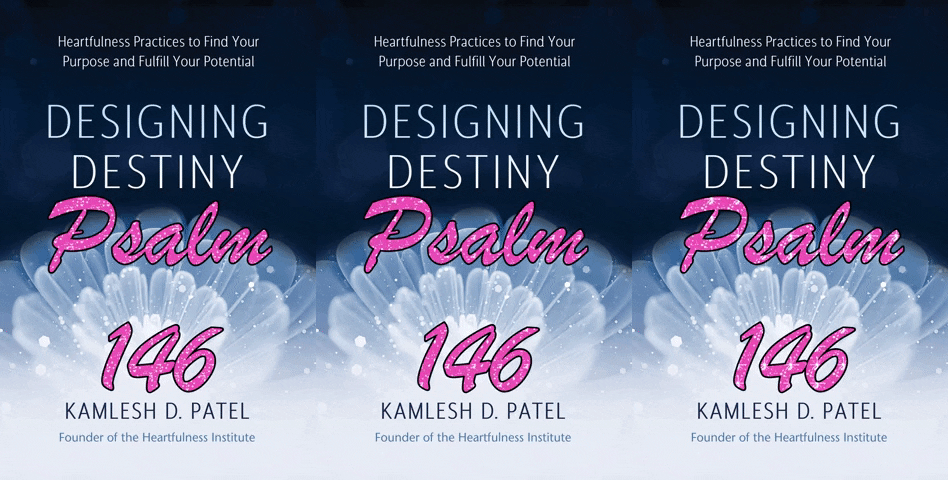
This appears to be a book cover for “Designing Destiny: Psalm 146” by Kamlesh D. Patel, who is identified as the Founder of the Heartfulness Institute. The subtitle indicates it contains “Heartfulness Practices to Find Your Purpose and Fulfill Your Potential.”
The significance of this text appears to be multi-layered:
- Spiritual Connection: Psalm 146 is a biblical psalm of praise, but its incorporation into a book about Heartfulness (a meditation practice) suggests an interfaith or universal spiritual approach to personal development.
- Personal Development Focus: The title “Designing Destiny” implies empowerment and agency in shaping one’s life path, while the subtitle directly addresses finding purpose and reaching one’s potential.
- Heartfulness Integration: The book appears to blend Heartfulness meditation practices (a modern form of Raja Yoga) with spiritual wisdom to help readers work on their personal growth and spiritual development.
- Author’s Authority: Kamlesh D. Patel’s position as founder of the Heartfulness Institute lends credibility to the teachings presented in the book, as he’s an established figure in the field of meditation and spiritual practice.
The visual design, with its ethereal blue background and illuminated elements, suggests themes of enlightenment, spiritual awakening, and transformation.
Would you like me to elaborate on any particular aspect of the book’s significance?

Please tell me about PSALM 146
Psalm 146 is one of the final five psalms in the Book of Psalms (Psalms 146-150), which are known as the “Hallelujah Psalms” because they all begin and end with “Hallelujah” (Praise the Lord).
Here are the key themes and messages of Psalm 146:
- Trust in God, Not in Human Leaders
- The psalm warns against putting ultimate trust in human princes or leaders
- It emphasizes that mortals cannot save and their plans perish when they die
- God’s Eternal Nature
- Contrasts human mortality with God’s eternal faithfulness
- Describes God as the maker of heaven and earth, the sea, and everything in them
- Emphasizes God’s everlasting faithfulness
- God’s Care for the Vulnerable The psalm specifically mentions God’s care for:
- The oppressed
- The hungry
- Prisoners
- The blind
- Those who are bowed down
- The righteous
- Strangers/foreigners
- Orphans and widows
- Divine Justice
- Describes how God upholds justice for the oppressed
- Mentions how God frustrates the ways of the wicked
- God’s Sovereignty
- Declares that the Lord will reign forever
- Establishes God as the ultimate ruler of Zion throughout all generations
This psalm is particularly significant because it emphasizes social justice, divine protection, and the importance of placing one’s trust in God rather than in human institutions or leaders. Its themes of hope, justice, and divine care for the vulnerable have made it relevant across generations and cultures.
In the context of the book shown in the image, the choice of Psalm 146 likely relates to its themes of divine guidance, purpose, and the transformation of human lives through faith and righteous action, which align with the book’s focus on finding purpose and fulfilling potential through spiritual practices.
LET’S GET GOING!

 DO-N-GOOD.COM