

HIGH FIVE!
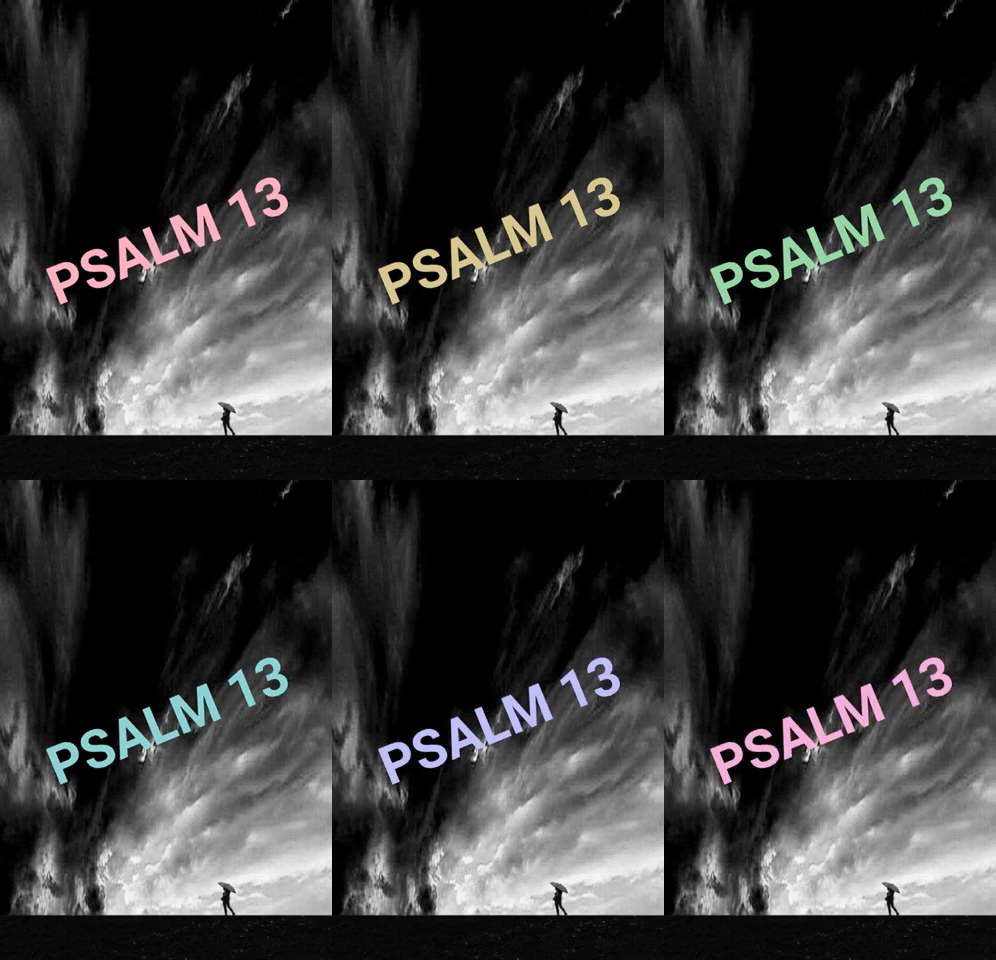
The image shows “PSALM 13” in multi-color text overlaid on a dramatic black and white photograph featuring a silhouetted figure against a stormy or dramatic sky.
Psalm 13 is a significant biblical psalm written by David that expresses deep anguish and eventual trust in God during a time of suffering. It’s often called a lament psalm, where David asks “How long, O Lord?” four times, expressing his feeling of abandonment and despair. However, the psalm ultimately transitions from despair to hope, ending with trust in God’s unfailing love.
The moody, dark aesthetic of the image with the lone figure seems to capture the emotional weight of this psalm – the feeling of isolation and struggle that David expresses. However, the figure standing against the dramatic sky could also represent resilience and faith despite difficult circumstances, mirroring how the psalm moves from desperation to trust.
The stark contrast between the dramatic dark imagery and the multi-color modern text creates an interesting contemporary interpretation of this ancient text, perhaps suggesting its continued relevance to modern struggles and experiences of feeling alone or abandoned before finding hope.

What can I learn from PSALM 13?
Psalm 13 offers several powerful lessons that are relevant even today:
- Honesty in Suffering
- It’s okay to express raw emotions to God
- The psalm demonstrates that questioning and wrestling with God during hard times is part of authentic faith
- David models complete honesty about his feelings of abandonment and pain
- The Pattern of Lament
- The psalm moves from despair to hope, showing a healthy progression:
- Complaint: “How long, O Lord? Will you forget me forever?”
- Prayer: “Consider and answer me, O Lord my God”
- Trust: “But I trust in your unfailing love”
- Praise: “I will sing to the Lord”
- Persistence in Faith
- Even in darkness, David maintains his relationship with God
- He continues to pray and seek God despite feeling abandoned
- Shows that faith can coexist with doubt and struggle
- Hope Beyond Circumstances
- The psalm teaches that hope isn’t based on immediate circumstances
- David chooses to trust God’s “unfailing love” even before seeing a solution
- Demonstrates how faith can transcend current difficulties
- The Temporary Nature of Trials
- While suffering feels endless (“How long?”), the psalm implies that trials have an end
- Encourages perseverance through difficult seasons
- The Power of Memory and Gratitude
- David remembers God’s past faithfulness
- Ends with choosing to praise despite current circumstances
- Shows how gratitude can be an act of faith during hard times
This psalm particularly resonates with people going through:
- Depression
- Seasons of waiting
- Feelings of abandonment
- Spiritual doubt
- Personal crisis
The key takeaway is that it’s possible to be both honest about our pain and hopeful in our faith. The psalm gives us permission to lament while also showing us a path toward renewed trust and joy.
YEAH!!!
LET’S GO2 WORK.

 DO-N-GOOD.COM