

HIGH FIVE!
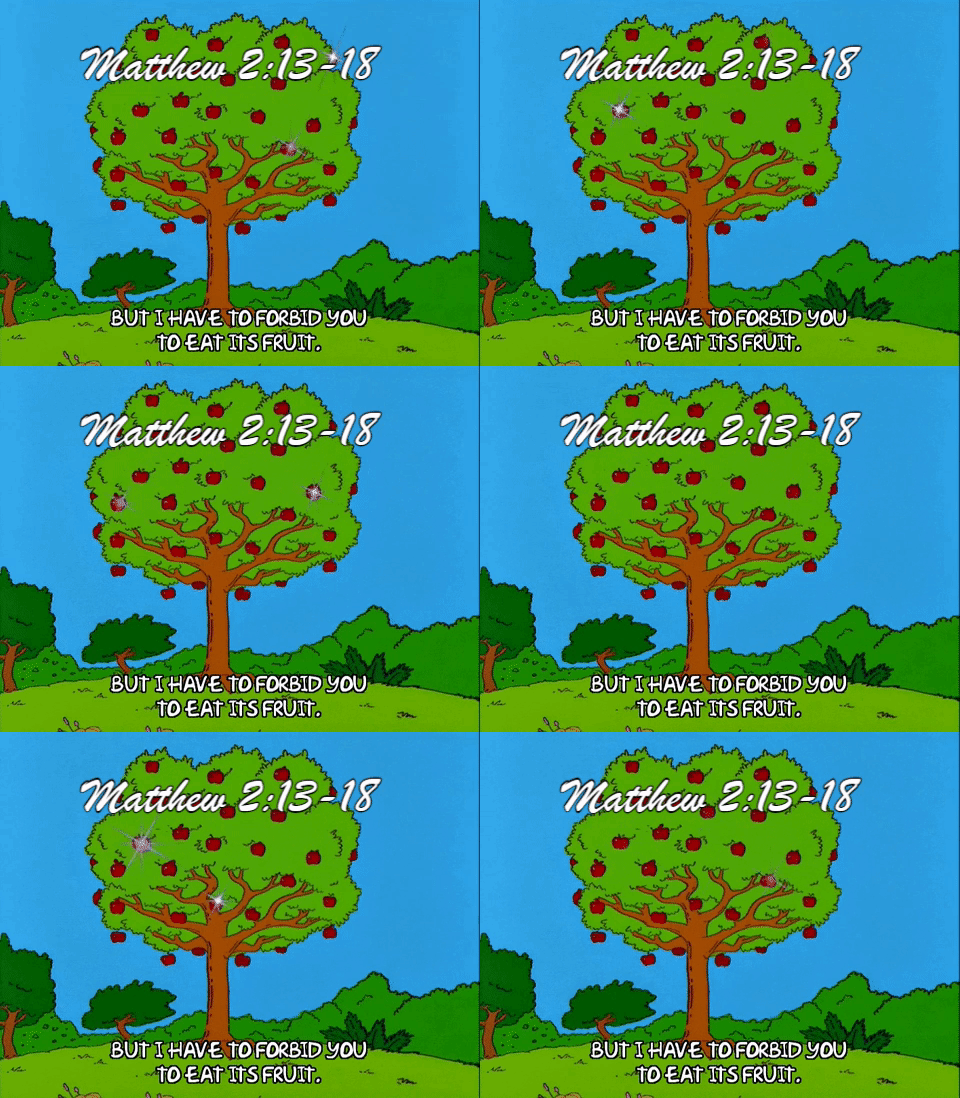
Genesis 2:13-18 is a part of the narrative that describes the creation of the world and the specific details surrounding the creation of the first humans. Here are the key themes and significance of this text:
1. Description of Eden:
Verses 13-14 continue the description of the rivers that flow out of Eden. These details emphasize the richness and fertility of the Garden of Eden, showcasing it as an ideal and abundant place created by God. The mention of specific rivers and regions (such as the Gihon, Tigris, and Euphrates) underscores the geographical and historical grounding of the narrative.
2. Placement of Man in Eden (Verse 15):
God places the man (Adam) in the Garden of Eden to work it and take care of it. This signifies the role of humans as stewards of God’s creation, responsible for maintaining and nurturing the environment. It establishes the idea that work and care for creation are integral to human purpose.
3. The Command Regarding the Tree of Knowledge (Verses 16-17):
God commands Adam that he may eat freely from any tree in the garden, except the tree of the knowledge of good and evil. The prohibition and its consequence—”for when you eat from it you will certainly die”—introduce the concept of free will and moral choice. It highlights the importance of obedience to God’s commandments and the inherent consequences of disobedience.
4. The Need for Companionship (Verse 18):
God observes that “It is not good for the man to be alone. I will make a helper suitable for him.” This statement emphasizes the importance of relationships and companionship in human life. It signifies that humans are inherently social beings and that companionship is a fundamental aspect of their well-being.
Summary:
Genesis 2:13-18 is significant because it details the setting and responsibilities of the first humans in the Garden of Eden. It highlights themes such as the stewardship of creation, the moral choice between obedience and disobedience, and the importance of companionship. This passage underscores the idea that humans are designed to care for their environment, make moral decisions, and live in relationships, reflecting key aspects of their purpose and nature as envisioned by God.

THANKFUL FOR COMPANIONSHIP (let’s go grocery shopping then to work)
 DO-N-GOOD.COM