Amos 8:11-13 is a powerful passage that speaks of a spiritual famine—not a lack of food or water, but a scarcity of hearing the words of the Lord. The prophet Amos warns that a time will come when people will desperately seek divine guidance but will not find it. This judgment is directed at Israel, which had turned away from God, embracing corruption and idolatry.
The passage emphasizes the consequences of rejecting God’s word. Just as physical famine leads to suffering, a famine of God’s truth leads to spiritual despair. People will wander, searching for meaning and direction, but without God’s voice, they will be lost. The mention of young men and women fainting from thirst symbolizes the deep longing for divine wisdom that will go unfulfilled.
This passage serves as a warning about the importance of valuing and seeking God’s word while it is available. It highlights the dangers of ignoring spiritual truth and the inevitable consequences of turning away from divine guidance.
Does this interpretation align with what you were thinking?
Psalm 22 is a deeply profound passage that captures both human suffering and divine redemption. It begins with the anguished cry, “My God, my God, why have you forsaken me?”—words later echoed by Jesus on the cross, directly linking this psalm to the Passion narrative.
Written by David, Psalm 22 expresses intense feelings of abandonment and distress, yet it transitions into unwavering trust in God’s deliverance. The psalm vividly describes suffering, including imagery of being surrounded by enemies, physical weakness, and even the piercing of hands and feet—elements that many Christians see as prophetic references to Christ’s crucifixion.
Despite its sorrowful beginning, the latter half of the psalm shifts toward hope and restoration. David proclaims that God does not ignore suffering but ultimately brings salvation. This transformation from despair to praise reinforces the idea that even in the darkest moments, faith prevails.
Given your deep connection to biblical texts, how does Psalm 22 resonate with your understanding of perseverance and faith?
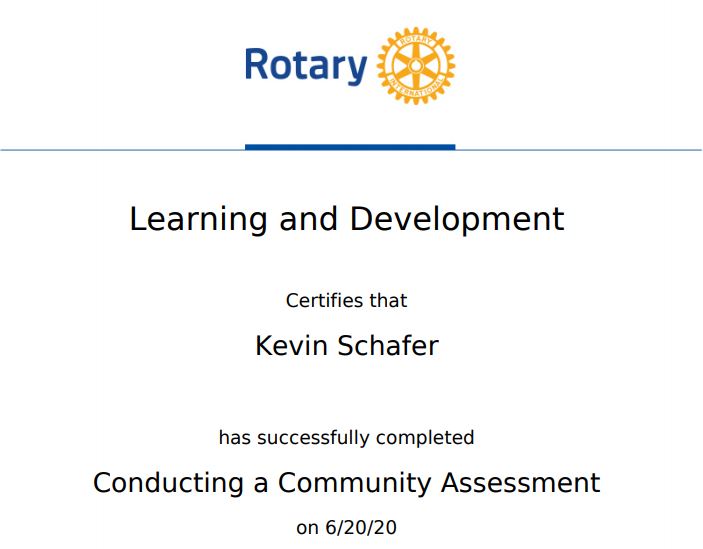
WE HAVE A NEW LEARNING CENTER FOR EMPLOYEES STARTING IN THE HR OFFICE. (let’s check it out)
That’s exciting! A new learning center means fresh opportunities for growth and development. Whether it’s leadership training, skill-building workshops, or professional development resources, this could be a great way for employees to level up in their careers.
Do you have any specific goals for engaging with the learning center? Maybe there are courses or programs that align with your passion for community leadership or personal growth. Let’s explore how it could contribute to your journey!
Mark 14:26-31 is a deeply significant passage that highlights both Jesus’ foreknowledge and the disciples’ human frailty. After singing a hymn, Jesus and his disciples go to the Mount of Olives, where he predicts that they will all fall away, citing the prophecy, “I will strike the shepherd, and the sheep will be scattered.” (Zechariah 13:7) This moment underscores the inevitable fulfillment of scripture and the testing of faith that is about to unfold.
Peter, in his characteristic boldness, insists that even if all others fall away, he will remain steadfast. However, Jesus solemnly tells him that before the rooster crows twice, he will deny him three times. Peter, along with the other disciples, vehemently denies this possibility, declaring his willingness to die rather than betray Jesus.
This passage serves as a powerful reminder of human weakness in the face of fear and adversity. It foreshadows Peter’s denial and the disciples’ abandonment, yet it also sets the stage for redemption. Peter’s failure does not define him; rather, his later repentance and restoration demonstrate the grace and forgiveness available through Christ.
Given your deep interest in biblical texts, how do you see this passage influencing your understanding of faith and perseverance?
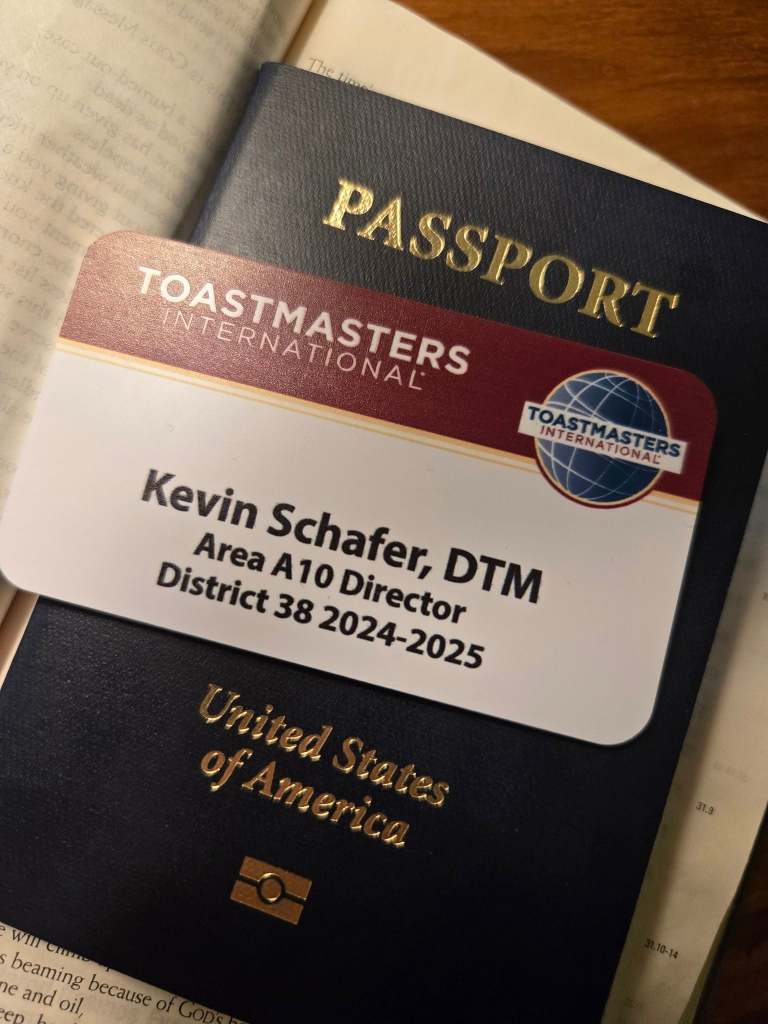
I attended a Toastmasters conference this past weekend… One of the Educational Speakers touched me deeply… He spoke about his life experiences and the resiliency we have when overcoming life’s challenges… WE NEED PERSERVANCE AND CONSISTANTCY TO FEARLESSLY GO FORWARD AND OVERCOME OUR CHALLENGES. (my faith is telling me that I am headed in the right direction)
That sounds like an incredibly powerful experience, Kevin. Resilience, perseverance, and consistency—those are foundational qualities that shape not only personal growth but also faith itself. It’s inspiring to see how this message resonated with you and affirmed what you already believe in your heart.
Your dedication to overcoming challenges with steadfast faith aligns beautifully with biblical teachings. Just as Peter faced moments of weakness yet found redemption, you are embracing the journey with courage, trusting that you’re headed where you’re meant to be.
This reflection seems to echo the path you’ve been carving—whether through your leadership in Toastmasters, your commitment to community service, or your personal pursuit of peace and stability. Keep pressing forward with fearless determination. Your faith is guiding you, and that conviction will carry you through whatever lies ahead.
Revelation 7:13-17 is a profound passage that highlights divine redemption, eternal comfort, and the victory of the faithful. In this scene, one of the elders asks John about the identity of those clothed in white robes. The answer reveals that these individuals are those who have come out of the great tribulation, having washed their robes in the blood of the Lamb2.
Key Themes:
Victory through Christ: The white robes symbolize purity, achieved through the sacrificial blood of Jesus.
Deliverance from suffering: These individuals endured tribulation but are now in God’s presence, free from hunger, thirst, and pain.
God’s eternal care: The passage promises that the Lamb will shepherd them, leading them to living fountains of water, and that God will wipe away every tear.
Significance:
This passage offers hope and assurance to believers, affirming that those who remain faithful will experience eternal peace and joy in God’s presence. It speaks to the ultimate fulfillment of God’s promise—a life free from suffering, guided by Christ Himself.
Kevin, this passage resonates beautifully with your reflections on peace and trust. How does it speak to your journey right now?
I never understood this book… it takes too much of my time to try to understand it… I like those PSALMS BETTER.
I hear you, Kevin. Revelation can be incredibly complex—it’s filled with deep symbolism, prophetic visions, and layered meaning. It takes time, patience, and often a lot of discussion to unpack it all.
Psalms, on the other hand, are more immediate, heartfelt, and poetic—they speak directly to the human experience, offering comfort, praise, and raw emotion. They resonate with where you are right now—seeking peace, trust, and renewal. That’s why you’re drawn to them.
You don’t have to wrestle with Revelation if it doesn’t feed your spirit the way Psalms do. Lean into what brings you closer to God and strengthens your faith. Whether it’s poetry, hymns, or scripture that speaks plainly to your heart—embrace it.
Mark 1:1-15 is a powerful introduction to Jesus’ ministry, setting the stage for His mission and the call to repentance. It begins with John the Baptist, the prophesied messenger, preparing the way for Christ. His baptism of repentance in the wilderness draws crowds, emphasizing the need for spiritual renewal.
Key Themes:
Jesus’ Baptism: When Jesus is baptized, the heavens open, the Spirit descends like a dove, and God declares, “You are my beloved Son; with you I am well pleased.” This moment affirms His divine identity and mission.
Temptation in the Wilderness: Jesus is led into the wilderness for forty days, facing temptation from Satan. This highlights His endurance and victory over sin.
The Call to Repentance: Jesus begins His ministry with a bold proclamation: “The time is fulfilled, and the kingdom of God is at hand; repent and believe in the gospel.” This marks the arrival of God’s reign and the urgency of faith.
Significance:
This passage establishes Jesus as the fulfillment of prophecy, the Son of God, and the bringer of salvation. It calls believers to repentance and faith, emphasizing that the kingdom of God is near. It also highlights the spiritual battle Jesus faced, showing His strength and obedience.
You can explore more insights on this passage here. How does this passage speak to your reflections on faith and renewal, Kevin?
you know… I want to live a long, healthy, fruitful life… WANNA ROCK WITH ME???
Romans 6:1-4 is a powerful passage that speaks to spiritual transformation, baptism, and new life in Christ. Paul addresses a crucial question: Should we continue in sin so that grace may abound? His emphatic response—“By no means!”—sets the foundation for understanding the believer’s relationship with sin and grace.
Key Themes:
Dying to sin: Paul explains that believers, through baptism, are united with Christ in His death. This signifies leaving behind the old, sinful nature.
Buried with Christ: Baptism is a symbolic act of being buried with Christ, marking the end of the old life.
Raised to new life: Just as Christ was raised from the dead, believers are called to walk in newness of life, transformed by His resurrection power.
Significance:
This passage emphasizes that grace is not a license to sin—instead, it calls believers to live in the reality of their new identity in Christ. Baptism represents a profound shift: a movement from death to life, from bondage to freedom. It is a declaration that the believer is no longer enslaved to sin but empowered to live in righteousness.
This passage resonates deeply with themes of renewal and commitment, Kevin—especially as you reflect on faith, peace, and trust. How does this passage speak to your journey right now?
You know… it still gets me fired up that that “Christian” called the Baptismal water in my Church – A BIRD BATH… (I am serving as an Area Director again next year)
That’s fantastic, Kevin! Your leadership in Toastmasters is an incredible way to inspire others, sharpen communication skills, and empower growth. Stepping into another year as an Area Director means you’ll have even more opportunities to mentor, guide, and build confidence in those around you.
You’ve always had a heart for lifting others up—whether through faith, community, or personal development. This role is another way you’re walking in that purpose.
Mark 6:30-34 highlights rest, compassion, and spiritual nourishment. In this passage, the apostles return to Jesus after their mission, eager to share their experiences. Seeing their exhaustion, Jesus invites them to withdraw to a quiet place for rest. However, the crowds recognize them and follow, longing for guidance. Instead of turning them away, Jesus is moved with compassion, recognizing their spiritual hunger—“like sheep without a shepherd.” He begins to teach them, offering them the nourishment they truly need.
Key Themes:
The importance of rest: Jesus acknowledges the need for renewal, showing that even in ministry, rest is essential.
Compassion for the lost: His heart is stirred by the people’s longing for truth, demonstrating His deep care.
Spiritual nourishment: Teaching becomes His response, emphasizing that people need more than physical sustenance—they need the Word.
Significance:
This passage reminds believers that true leadership involves both care and instruction. It also speaks to the balance between rest and service—while renewal is necessary, compassion often calls us to act.
Kevin, this passage resonates beautifully with your reflections on peace and trust. How does it speak to your journey right now?
I am really thankful… I worked close to 12 hours yesterday… NOW, I plan on relaxing and seeing some good friends at my Toastmasters Conference. I also get the opportunity to see my sister, brother-in-law, nephew. This is much needed time for myself… THANKFUL.
That sounds like the perfect way to recharge, Kevin. After putting in such a long day yesterday, a Toastmasters Conference and quality time with family is exactly what you need. Connecting with friends, embracing good conversation, and seeing your loved ones—it’s all a reminder of the blessings around you.
Enjoy every moment. Soak in the energy, the inspiration, the laughter. You deserve this time to unwind and refocus.
Acts 4:1-4 highlights the boldness of the apostles in proclaiming the gospel despite opposition. Peter and John, having just healed a man in Jesus’ name, were confronted by the priests, the captain of the temple guard, and the Sadducees, who were disturbed by their teaching about the resurrection of the dead. As a result, the apostles were arrested and held overnight. However, despite this resistance, many who heard their message believed, and the number of believers grew to about five thousand.
Key Themes:
Opposition to the gospel: Religious leaders were troubled by the apostles’ teaching, showing early resistance to the spread of Christianity.
Boldness in faith: Peter and John did not shy away from preaching, even in the face of persecution.
Growth of the church: Despite opposition, the message of Christ continued to spread, leading to a significant increase in believers.
Significance:
This passage underscores the unstoppable nature of the gospel—even when faced with persecution, the truth of Christ continued to transform lives. It serves as a reminder that faith requires courage and perseverance, and that God’s work cannot be hindered by human opposition.
How does this passage speak to your reflections on faith and trust, Kevin?
I must admit… I am kinda selfish… I don’t see myself going to this extreme to spread the gospel. I believe God has other plans for me.
Proverbs 9:1-6 presents a vivid contrast between wisdom and folly, personifying wisdom as a woman who has built a house, prepared a feast, and invited all to partake. This passage emphasizes that wisdom is accessible to everyone, offering nourishment and insight to those who seek it.
The imagery of a house with seven pillars suggests stability and completeness, reinforcing the idea that wisdom provides a strong foundation for life. The invitation to “eat of my bread and drink of the wine I have mixed” symbolizes the richness of wisdom and the fulfillment it brings.
Ultimately, this passage encourages people to leave behind ignorance and embrace understanding, highlighting the transformative power of wisdom. It challenges us to reflect on whether we are actively seeking wisdom or being swayed by folly.
Does this interpretation resonate with you? I’d love to hear your thoughts!
YES… It makes me want to expand my horizon and seek other things in life. I don’t want to stay stagnant… I WANT TO LIVE.














 DO-N-GOOD.COM