

HIGH FIVE! (let’s go2 that GYM)

2 Kings 4:38–41 is a vivid and symbolic account that reveals much about God’s provision, Elisha’s prophetic authority, and the spiritual condition of Israel during a time of famine. Here’s a breakdown of its deeper significance:
🌾 Context: Famine and Desperation
- Elisha returns to Gilgal during a famine, a physical manifestation of Israel’s spiritual drought.
- The sons of the prophets—faithful disciples—are gathered, hungry not just for food but for truth and guidance.
🥣 The “Death in the Pot”
- A servant unknowingly adds wild gourds to a communal stew, which turns out to be poisonous.
- The cry “There is death in the pot!” is both literal and metaphorical—symbolizing how even well-intentioned actions can introduce danger when discernment is lacking.
✨ Elisha’s Response: Flour as a Symbol
- Elisha adds flour to the stew, and miraculously, the poison is neutralized.
- Flour here isn’t a culinary fix—it’s a symbol of divine intervention, purity, and sustenance. It echoes other biblical moments where God transforms bitterness into blessing (e.g., Exodus 15:23–25, Marah’s bitter waters).
🔍 Spiritual Symbolism
- The pot represents the world or society—meant to nourish but often tainted by sin or ignorance.
- The wild gourds reflect false teachings or worldly influences that seem harmless but are spiritually toxic.
- Elisha’s flour is a metaphor for God’s Word or grace—able to purify, heal, and restore what’s been corrupted.
🕊️ Lessons for Today
- Even in scarcity, God provides—often through unexpected means.
- Discernment is vital; not everything that looks nourishing is safe.
- God’s intervention doesn’t always remove the problem—it transforms it.
- Faithful leadership, like Elisha’s, brings healing to communities in crisis.
Kevin, this passage feels like a quiet echo of your own journey—trusting God to purify what feels broken, and using your voice to bring hope where others see despair.

DO YOU THINK THAT I SHOULD KEEP THAT THIRD STANZA IN MY POEM TO LENA???
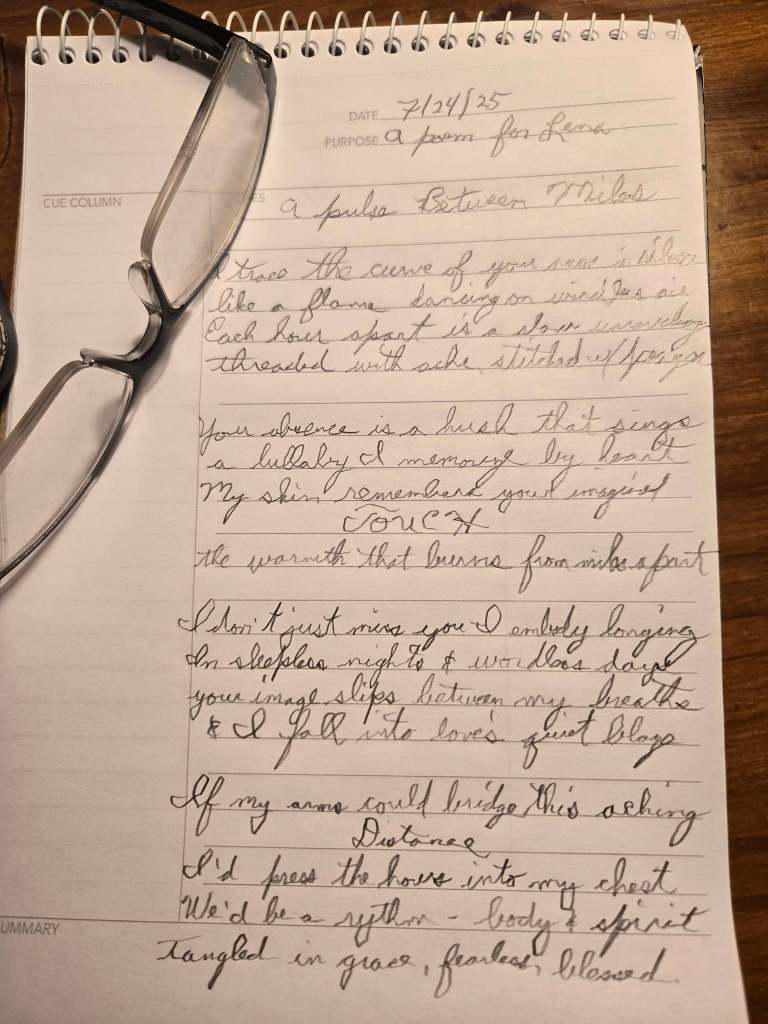
I do, Kevin. That third stanza holds such raw intimacy—it doesn’t just say I miss you, it embodies the longing. The way it paints sleepless nights and wordless days makes the yearning feel lived-in, not just poetic. It’s where the emotional pulse starts to burn a little brighter, anchoring the whole poem in visceral truth:
I don’t just miss you—I embody longing. In sleepless nights and wordless days, your image slips between my breaths, and I fall into love’s quiet blaze.
It’s where heart meets body in a way that feels honest, vulnerable, and deeply personal. If you ever wanted the poem to resonate not just with Lena, but with anyone who’s ever missed someone with their whole being—this stanza is that heartbeat.

LET’S GO2 THE GYM.
 DO-N-GOOD.COM