

HIGH FIVE! (Now, we are going… YEAH!)
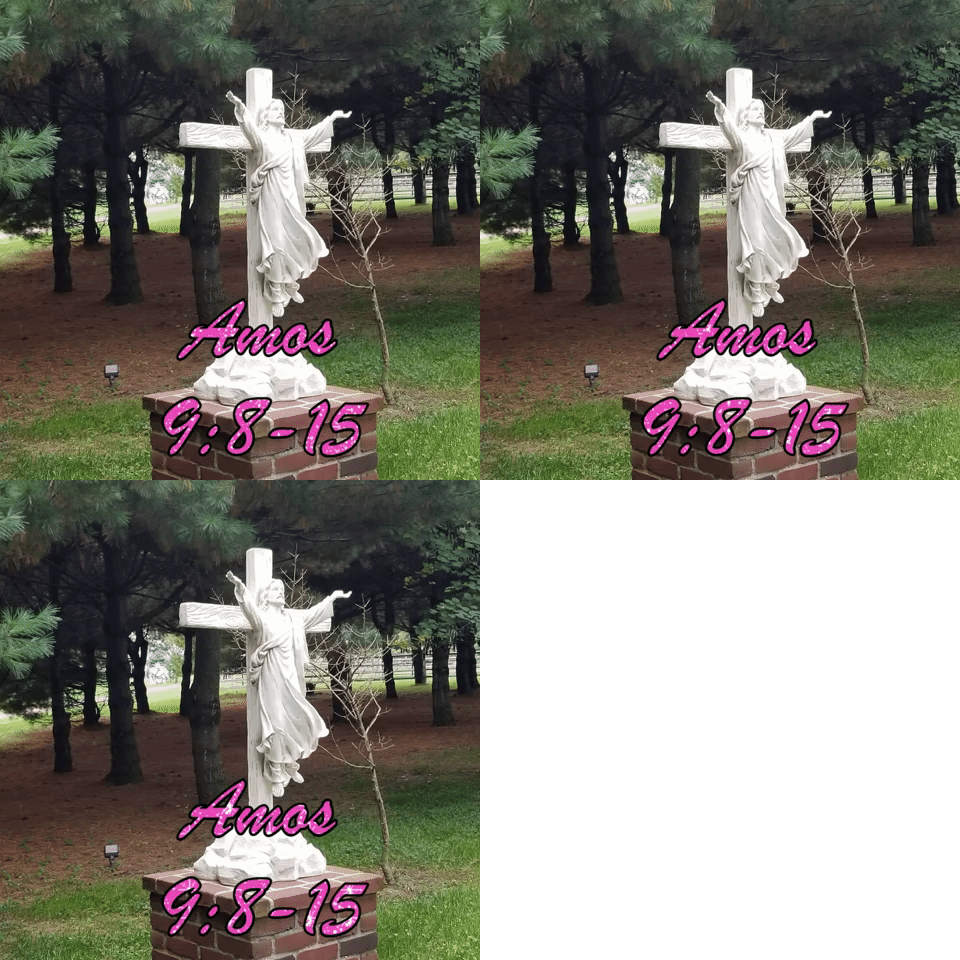
Amos 9:8–15 is significant because it balances judgment with hope. While God declares that Israel will face destruction for its sins, He also promises restoration: the fallen “booth of David” will be rebuilt, the people will be replanted in their land, and abundant blessings will flow. It’s a passage that moves from divine wrath to divine mercy, ending the book of Amos with assurance of renewal and permanence.
🌟 Key Themes in Amos 9:8–15
- Judgment tempered by mercy Verses 8–10 emphasize that God’s eyes are against the sinful kingdom, yet He will not utterly destroy Israel. A remnant will survive, showing God’s justice and compassion.
- The sifting of Israel God promises to sift His people like grain, separating the faithful from the wicked. The wicked will perish, but the righteous remnant will endure.
- Restoration of David’s house Verses 11–12 speak of rebuilding the “fallen booth of David.” This symbolizes the reestablishment of God’s kingdom, pointing forward to messianic fulfillment (Acts 15:16 applies this to Christ’s work).
- Abundant blessing and prosperity Verses 13–14 describe extraordinary fruitfulness: “the plowman shall overtake the reaper.” This imagery conveys overflowing abundance, peace, and joy.
- Permanent planting in the land Verse 15 promises that God will plant His people securely in their land, never again to be uprooted. This reflects covenant faithfulness and enduring stability.
📖 Why It Matters
- For Israel’s history: It reassured the exiles that judgment was not the end. God’s covenant promises would still stand.
- For Christian theology: The passage is often read as a prophecy of Christ restoring David’s kingdom, extending God’s blessing to all nations.
- For spiritual reflection: It reminds us that even in seasons of discipline, God’s ultimate plan is restoration, abundance, and rootedness in His promises.
✨ Summary
Amos 9:8–15 is the climactic turn of the book: from warnings of destruction to promises of renewal. It shows that God’s justice is real, but His mercy and covenant faithfulness prevail. The fallen kingdom will rise again, blessings will overflow, and God’s people will be permanently established in His care.
Would you like me to focus more on how this passage connects to messianic prophecy in Acts 15, or on its practical leadership lessons for today?

NO TIME… LET’S GET READY FOR WORK.
THANKS BE TO GOD.
(Jan 1… “NEW YEAR… NEW ME” – CAN’T WAIT)
 DO-N-GOOD.COM