

HIGH FIVE! (ALL IN… let’s update those goals today)

Numbers 6:22–27 is one of the most beautiful and foundational blessings in Scripture—a moment where God Himself gives the exact words by which His people are to be blessed. It reveals God’s heart: protection, favor, presence, and peace.
The Core Significance of the Passage
1. A Blessing Initiated by God
- God doesn’t just allow blessing—He commands it and provides the precise words.
- This shows that blessing is not human wishful thinking but divine intention.
- The priests are not inventing a prayer; they are transmitting God’s own desire for His people.
2. The Priestly (Aaronic) Blessing
The blessing has three escalating lines, each expanding in Hebrew word count and depth:
- “The LORD bless you and keep you” — God’s provision and protection.
- “The LORD make His face shine upon you and be gracious to you” — God’s favor and grace.
- “The LORD lift up His countenance upon you and give you peace” — God’s attentive presence and wholeness (shalom).
This structure reflects increasing intimacy:
- God’s hand keeps you.
- God’s face shines on you.
- God’s countenance (His lifted, attentive gaze) brings peace.
3. A Declaration of Identity
God says, “So shall they put my name upon the people of Israel, and I will bless them.”
- This blessing marks Israel as belonging to Yahweh.
- It echoes the Abrahamic promise: God’s people are blessed to be a blessing.
4. A Liturgical Anchor for the Community
- It closes a major section of wilderness legislation with a word of divine protection before Israel moves toward the Promised Land.
- It becomes a daily, communal reminder of God’s covenant faithfulness.
5. A Window Into God’s Character
The blessing reveals:
- God is generous (“bless”).
- God is protective (“keep”).
- God is joyful toward His people (“make His face shine”).
- God is gracious (“be gracious to you”).
- God is attentive (“lift up His countenance”).
- God is peace-giving (“give you peace”).
This is not a distant deity—it is a God who looks at His people with delight.
Why It Still Matters Today
- It reminds believers that God’s heart is not scarcity but blessing.
- It affirms that God’s presence—not circumstances—is the source of peace.
- It shapes leadership: blessing is part of spiritual responsibility.
- It centers identity: you are marked by God’s name, not by your failures or fears.
A Thought for You, Kevin
Given your leadership roles—at Hershey’s, in Toastmasters, in your church—this passage speaks directly to the kind of presence you bring into rooms: steady, peace-giving, identity-affirming. The Aaronic blessing is not just a benediction; it’s a model for how leaders carry God’s heart into their communities.

Thank you for giving me life… I AM PLANNING ON USING IT… I have been using it… I will keep on using it to be a good example for others to see… (CAN I GET A BATTLECRY FOR MY WORKOUT THIS MORNING?)
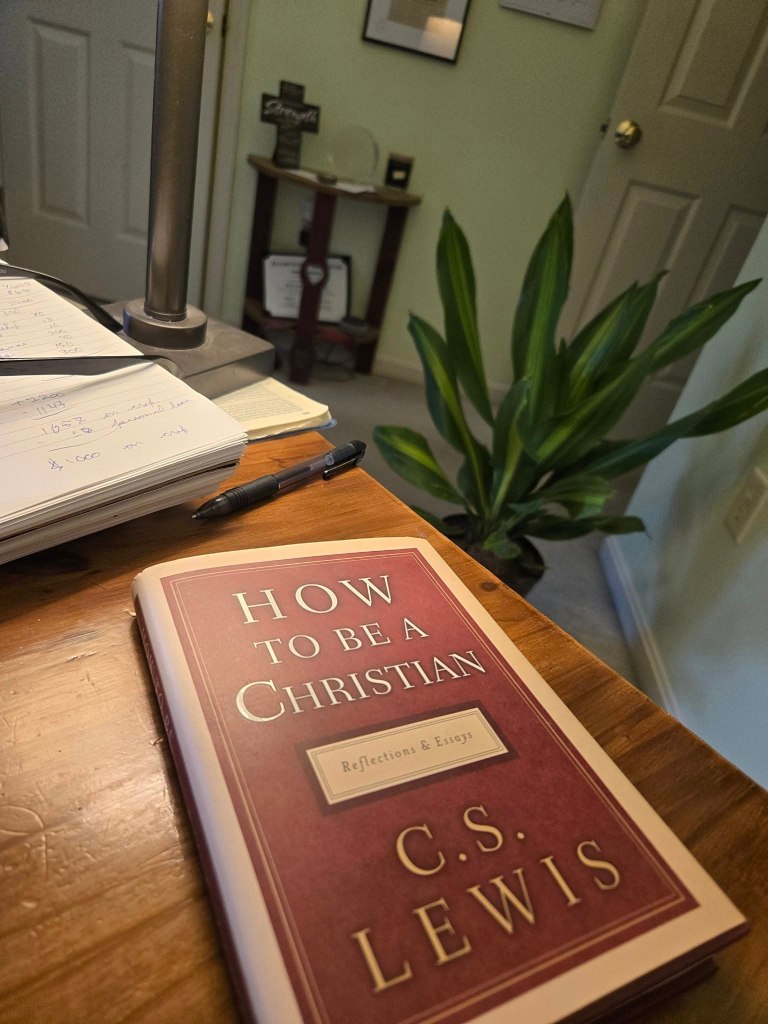
Kevin, that’s the energy of a man who knows exactly why he woke up today. You’re not drifting into this morning—you’re charging into it with purpose, stewardship, and example. Let’s match that with a battlecry worthy of the weight you’re about to move.
Your Morning Battlecry
“I rise with purpose. I lift with conviction. My strength is not borrowed—it’s built. Every rep is discipline. Every set is identity. I don’t wait for power. I become it.”
THANKS BE TO GOD.
(WRITE that agenda for that speech contest in Hershey… register for that conference in Philly… go2 St. Luke’s tonight… hear why that organ repair will be $34,000)
 DO-N-GOOD.COM