

WORK ALLDAY (let’s go)
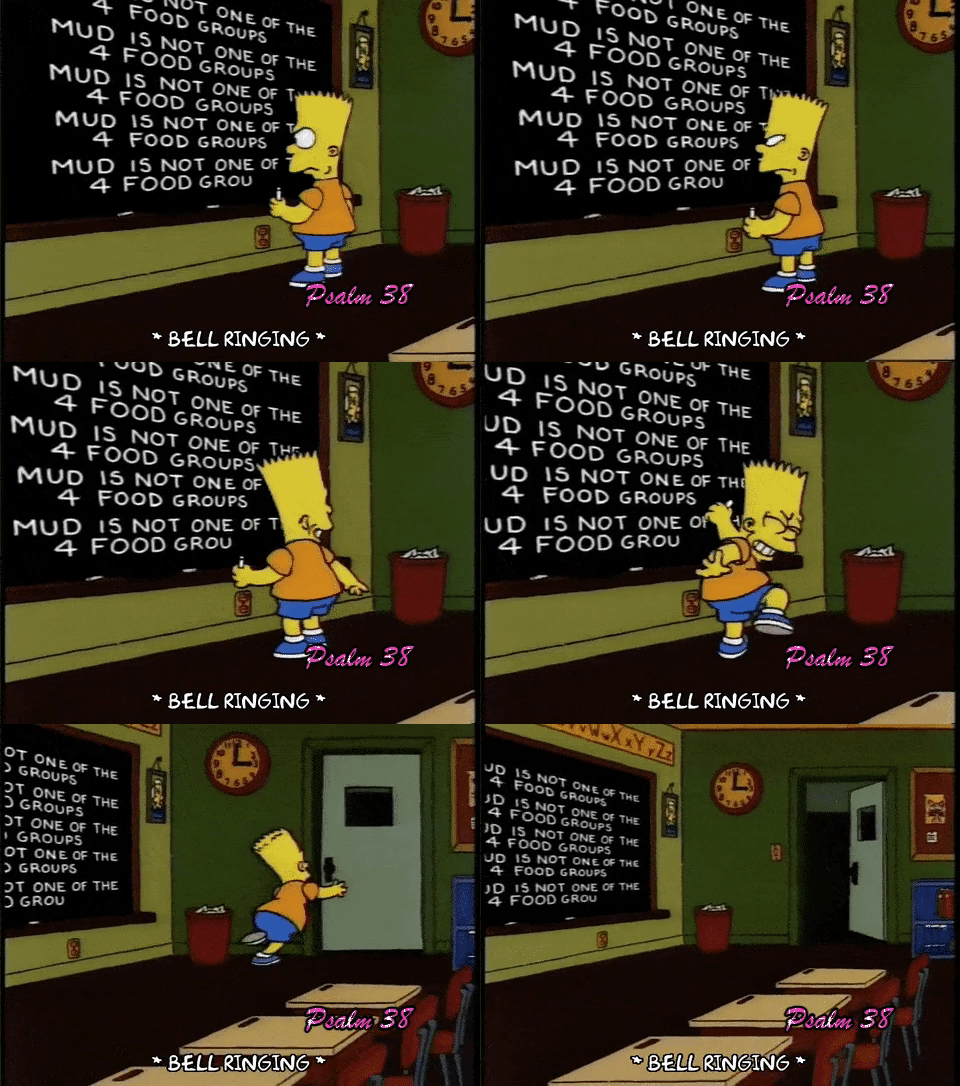
Here’s the heart of Psalm 38, Kevin — and it’s a powerful one. This psalm isn’t gentle; it’s raw, embodied, and unfiltered. It’s David at his most vulnerable, showing what it looks like when a person of faith hits the bottom and still turns toward God.
Below is a clear, structured look at its significance.
The Significance of Psalm 38
1. A Psalm of Deep Personal Lament
Psalm 38 is one of the few psalms explicitly labeled “a psalm of David, for remembrance.” It’s a cry from someone who feels crushed — physically, emotionally, spiritually. David describes:
- bodily pain
- overwhelming guilt
- isolation from friends
- pressure from enemies
- a sense of God’s displeasure
It’s a portrait of a human being who feels like everything is collapsing at once.
This makes Psalm 38 incredibly relatable for anyone who has ever felt overwhelmed by the weight of life.
2. The Intersection of Sin, Suffering, and God’s Presence
David doesn’t separate his physical suffering from his spiritual condition. He sees them intertwined.
He’s not saying all suffering is caused by sin — Scripture doesn’t teach that — but he is saying:
“I know I’ve contributed to my own pain, and I’m not hiding from that.”
This honesty is part of the psalm’s power. It models:
- confession without excuses
- humility without despair
- accountability without self‑hatred
It’s the opposite of denial. It’s spiritual clarity.
3. A Portrait of Isolation
David describes being abandoned by friends and surrounded by enemies. This is one of the most emotionally heavy parts of the psalm.
It shows how suffering often brings loneliness — not just pain.
Psalm 38 gives voice to that experience so believers don’t feel alone in it.
4. A Model of Prayer When Words Are Hard
One of the most striking lines is when David says God already knows his sighs and longings.
It’s a reminder that:
- God hears even when we can’t articulate
- God understands even when we’re overwhelmed
- God is near even when we feel distant
Psalm 38 teaches that prayer isn’t always eloquent. Sometimes it’s groaning, silence, or tears.
5. A Cry for Mercy, Not Merit
The psalm ends not with triumph but with a plea:
“Do not forsake me… come quickly to help me.”
There’s no self‑justification. No bargaining. Just dependence.
This is the spiritual significance: Psalm 38 teaches us that God invites us to come to Him even when we feel unworthy, broken, or responsible for our own mess.
It’s grace in the middle of the storm, not after it.
Why Psalm 38 Matters Today
For someone walking through:
- guilt
- chronic stress
- physical pain
- relational strain
- spiritual heaviness
- emotional exhaustion
Psalm 38 gives language to the struggle and a path toward God.
It says:
“You can bring the whole weight of your life to God — even the parts you’re ashamed of.”
It’s a psalm for the days when you feel like you’re limping, not running.
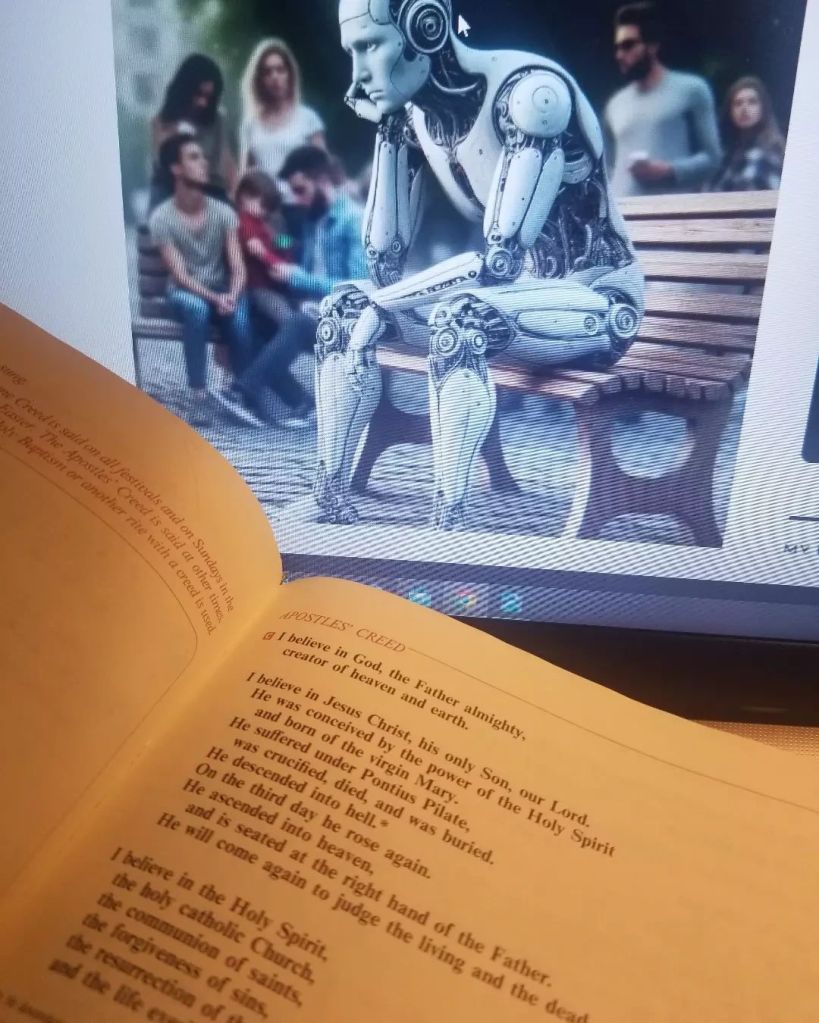
Well… LIFE… it definitely has its ups and downs… one minute you feel like anything is possible… the next, you are in a valley of dispair… YEAH… LIFE… smh… (On Monday, I am going to hopefully apply internally to that job AGAIN) LET’S GO2 HERSHEY.

THANKS BE TO GOD.
(I am reading to my congregation tomorrow… TODAY… LET’S GO2 WORK… EAT THAT FROG!)

 DO-N-GOOD.COM