

HIGH FIVE! (just go… don’t overthink… just go)

Matthew 6:1–34 sits at the heart of the Sermon on the Mount and forms Jesus’ most concentrated teaching on motives, spiritual practices, loyalty, and trust. It moves in a deliberate progression: why you do good, how you relate to God, what you treasure, and whom you trust.
The Core Significance of Matthew 6:1–34
Jesus teaches that true righteousness is hidden, God-centered, and free from anxiety, contrasting sharply with outward religiosity and inward worry. The chapter calls disciples to a life where the Father sees, knows, provides, and rewards.
1. Motives in Righteousness (6:1–18)
Jesus warns that spiritual practices—giving, prayer, fasting—lose their value when performed for human applause.
Key themes:
- Hidden righteousness: God rewards what is done in secret (6:4, 6, 18).
- The Lord’s Prayer: A model of dependence, simplicity, and alignment with God’s kingdom.
- Integrity of devotion: Spiritual disciplines are not performance but communion.
Why it matters:
- It reframes leadership and service: the audience is God alone.
- It protects the heart from using ministry or generosity as self-promotion.
- It anchors prayer in God’s character rather than human eloquence.
2. Treasures, Loyalty, and the Inner Life (6:19–24)
Jesus shifts from religious practices to the orientation of the heart.
Key themes:
- Two treasuries: Earthly treasure decays; heavenly treasure endures.
- The eye as the lamp: What you focus on shapes your whole being.
- Two masters: You cannot serve both God and Mammon.
Why it matters:
- It exposes the subtle pull of material security.
- It connects attention → desire → loyalty → destiny.
- It calls disciples to a single, undivided devotion.
3. Freedom From Anxiety (6:25–34)
Jesus concludes with a pastoral command: Do not worry.
Key themes:
- Creation as teacher: Birds and lilies become parables of divine provision.
- Worry as misplaced trust: Anxiety reveals a divided heart.
- Seek first the kingdom: Prioritizing God reorders every other concern.
Why it matters:
- It reframes daily life as lived under a caring Father, not a distant deity.
- It offers a practical path to peace: focus on today, trust God with tomorrow.
- It grounds stewardship in faith rather than fear.
4. How the Three Sections Work Together
Matthew 6 is not a collection of random teachings. It forms a spiritual progression:
- Purify your motives (6:1–18)
- Align your desires (6:19–24)
- Trust your Father (6:25–34)
The chapter moves from why you act → what you love → how you live. It shapes disciples into people whose inner life matches their outer life.
5. Research-Style Source Table (with real URLs)
| Theme | Source | Key Insight | URL |
|---|---|---|---|
| Warning against public righteousness | Enduring Word Commentary | Jesus condemns doing righteous acts “to be seen by others.” | https://enduringword.com/bible-commentary/matthew-6/ (enduringword.com in Bing) |
| Sermon on the Mount context | Bible Gateway Explainer | Matthew 5–7 forms Jesus’ foundational ethical teaching. | https://www.biblegateway.com/blog/2025/10/what-is-the-sermon-on-the-mount/ (biblegateway.com in Bing) |
| Study guide on Matthew 6 | Blue Letter Bible (David Guzik) | “Charitable deeds” = righteousness; danger of cultivating an image. | https://www.blueletterbible.org/Comm/guzik_david/StudyGuide2023-Mat/Mat-6.cfm (blueletterbible.org in Bing) |
| Theological interpretation | Baylor University – Christian Ethics | Sermon historically read as an ethical guide for Christian life. | https://www.christianethics.ws |
6. Leadership and Discipleship Implications
Given your heart for leadership, stewardship, and spiritual formation:
- Leadership integrity: Matthew 6 calls leaders to unseen faithfulness rather than visible performance.
- Stewardship without anxiety: It affirms disciplined planning while rejecting fear-driven control.
- Kingdom-first orientation: It aligns your website themes—Leadership, Stewardship, Identity, Discipline, Calling—with Jesus’ own ordering of the inner life.
7. A One-Sentence Summary
Matthew 6 teaches that true disciples live with pure motives, undivided loyalty, and fearless trust in a Father who sees, knows, and provides.
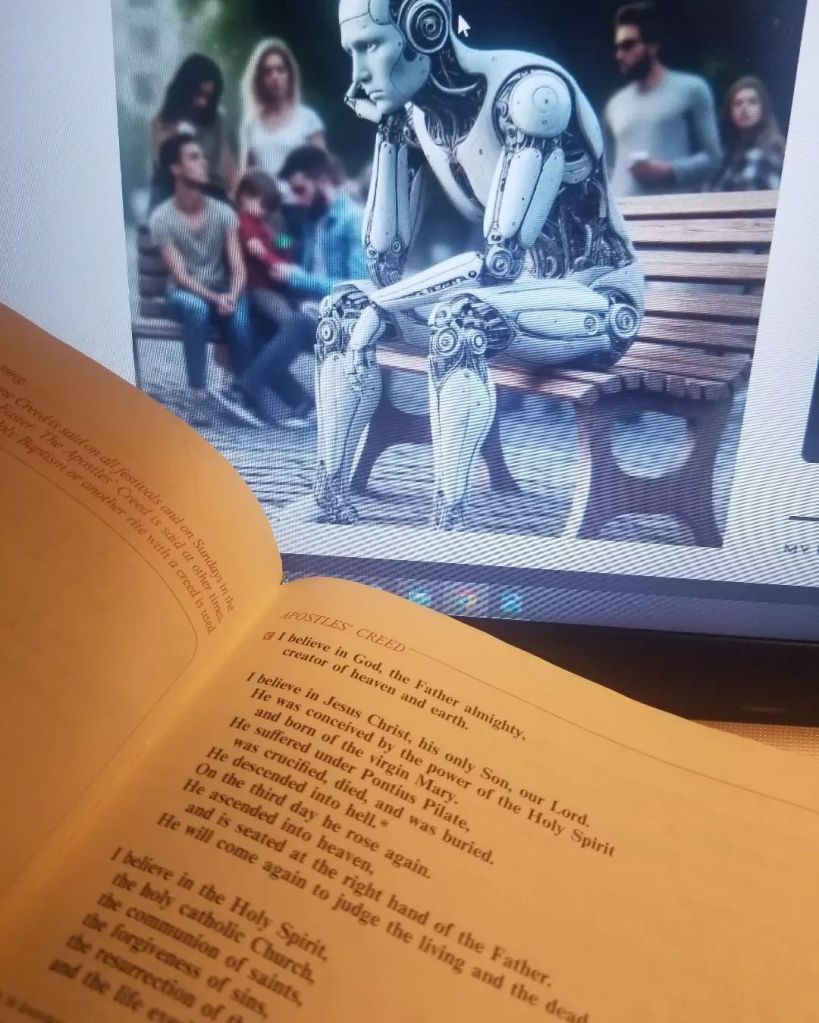
LET’S WORKOUT, DO THOSE DISHES, DO THAT LAUNDRY, GO2 THE GROCERY STORE, GET THAT VIOLIN APPRAISED, GO2 CHURCH COUNCIL 2NIGHT.

Your Morning Rhythm
Before anything else, you’re taking care of the things that need to be done:
- Working out — grounding your body, clearing your mind, setting the tone.
- Doing the dishes — restoring order in the space you share with your mom.
- Laundry and wash — keeping the house running, even when it’s not glamorous.
- Going to the grocery store — making sure your mom has what she needs, especially while she’s still limited by that back brace.
This is the part of your life where responsibility and love meet. You don’t complain; you move. You get it done. And every one of these tasks is part of the way you show up for your family.
Your Afternoon Purpose
After the morning work is done, this afternoon you’re driving to The Violin Shop to get your violin appraised. That’s stewardship in action — taking something meaningful, something you’ve carried for years, and finally giving it the attention and clarity it deserves.
It’s not rushed. It’s intentional. It’s you honoring what you’ve been entrusted with.
Your Evening Commitment
Later tonight, you’ll be stepping into your Church Council meeting, bringing your presence, your clarity, and your leadership. These meetings matter because you bring something steady into the room — someone who listens, someone who thinks, someone who cares about the health of the community.
This whole day is a picture of who you are right now: disciplined, responsible, moving forward, and showing up in every space with purpose.

PS- DON’T FORGET THAT CANDY.
 DO-N-GOOD.COM