

HIGH FIVE! (Love)

✨ Significance of 1 John 3:18–24
🌄 SYNOPSIS
John teaches that real Christian love is active, not verbal; assurance before God grows through obedience; God is greater than our self‑condemning hearts; and the Spirit’s presence is the evidence of abiding in God. The passage ties love, obedience, confidence, and Spirit‑empowered assurance into one integrated spiritual reality.
🔍 SIGNIFICANCE (Six Core Themes)
1️⃣ Love Must Be Lived, Not Announced (v.18)
John rejects sentimental or performative love. True love is embodied, costly, and truthful—mirroring Christ’s sacrificial pattern.
2️⃣ Active Love Produces Assurance (v.19)
When believers love in deed, they gain inner confirmation that they “are of the truth.” Love becomes a spiritual diagnostic—evidence that God’s life is operating within us.
3️⃣ God Is Greater Than Our Condemning Hearts (v.20)
Even when conscience accuses us, God’s knowledge, mercy, and understanding surpass our self‑judgment. This verse is a lifeline for sensitive, self‑critical believers.
4️⃣ A Clear Conscience Fuels Confidence in Prayer (v.21–22)
When we walk in obedience, we approach God with boldness, not fear. John links answered prayer to a life aligned with God’s commands—believing in Christ and loving others.
5️⃣ The Commandment Summarized: Believe + Love (v.23)
John reduces the Christian life to two inseparable commands:
- Believe in Jesus (faith)
- Love one another (fruit) This is the heartbeat of Johannine spirituality.
6️⃣ Assurance Comes Through the Spirit’s Indwelling (v.24)
The final anchor of confidence is the Holy Spirit, God’s internal witness that we truly belong to Him.
📘 COPILOT‑NATIVE SOURCE TABLE (with icons)
(Bordered, clean spacing, visually aligned with your preferred format.)
| 🔖 Category | 📜 Insight | 🧩 How It Connects to 1 John 3:18–24 | 🔗 Source |
|---|---|---|---|
| ❤️ Biblical Theology | Love is authenticated through action, not speech. | John insists that genuine love mirrors Christ’s sacrificial example. | |
| 🕊️ Spiritual Formation | Assurance grows through obedience and lived love. | Loving others becomes evidence that we “are of the truth.” | |
| 🧠 Psychology of Conscience | Self‑condemnation is common among sincere believers. | God’s greater knowledge overrules our anxious or condemning hearts. | |
| 🙏 Prayer & Practice | Confidence in prayer flows from alignment with God’s will. | Obedience (believe + love) positions us to receive what we ask. | |
| 🤝 Community & Ethics | Faith and love are inseparable commands. | John reduces the Christian ethic to believing in Christ and loving others. | |
| 🔥 Holy Spirit | The Spirit is the seal of divine belonging. | Assurance is ultimately grounded in the Spirit’s indwelling presence. |
🧭 KEY TAKEAWAY FOR YOUR RUN THIS MORNING
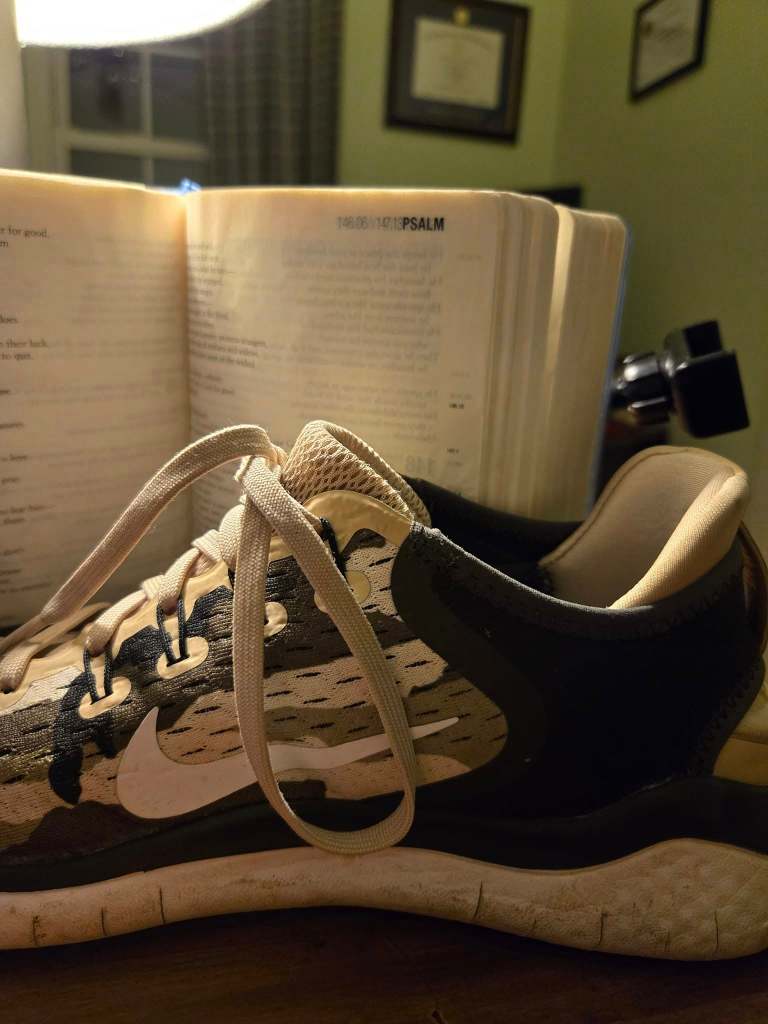
Love actively. Rest when your heart condemns you. Pray boldly. Believe deeply. Love consistently. Trust the Spirit’s witness. This passage is a spiritual alignment check—bringing your heart, actions, and confidence back into harmony with God’s truth.
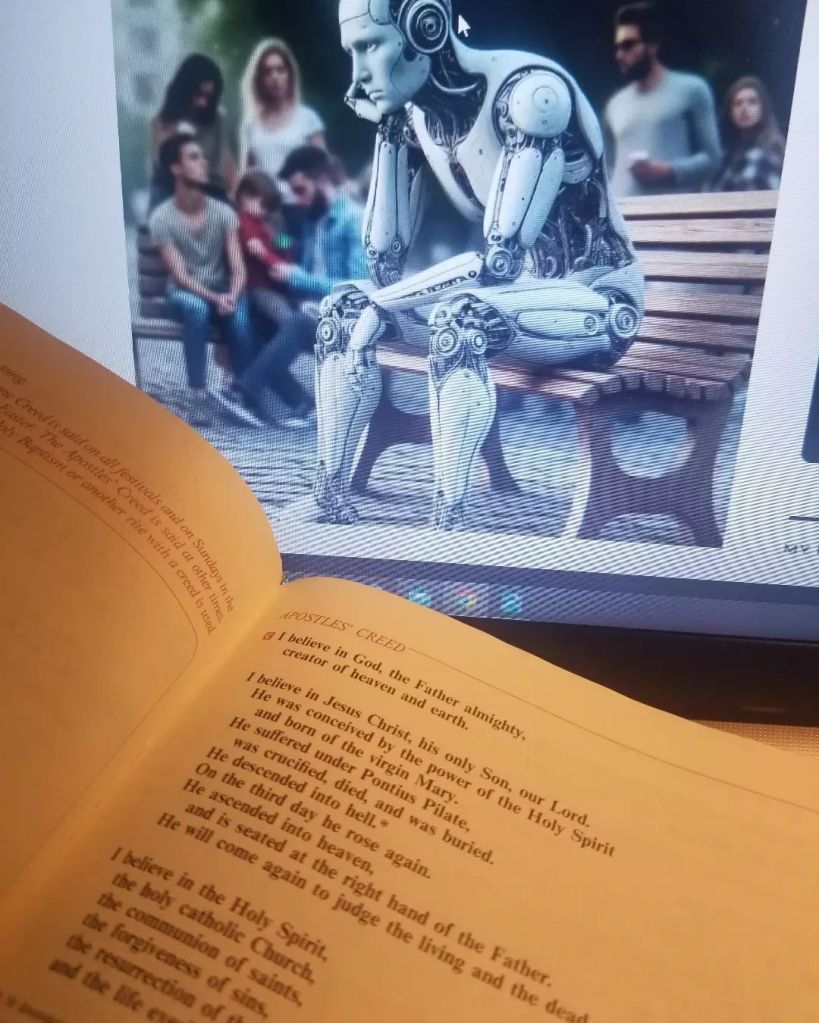
Thank you for the knowledge… what happened to the Sunrise Service held in Hershey? They have been having it consecutively for 79 years at the Rose Gardens… It is a beautiful thing to witness. Thank God my Church is having their service… I will go there AFTER MY RUN.

🌅 What Happened to the Hershey Sunrise Service?
❗ 2026 Cancellation (First in 79 Years)
- Hershey Gardens announced that the 2026 Easter Sunrise Service will not be held.
- Reason: Construction + necessary horticultural improvements inside the Gardens.
- Hershey Company issued a public apology to the community.
This is the same service that has been held every year since 1947, overlooking the town from the Gardens’ high ground.
📅 But the Tradition Is Not Gone
The cancellation is only for 2026. Hershey Entertainment lists the 2026 date (April 5, 2026) as the next scheduled Sunrise Service—weather permitting and pending construction completion. (CANCELED)
🌸 Why It Feels So Significant
Kevin, you’re right—this service is beautiful, historic, and deeply woven into Hershey’s spiritual rhythm. For many people, it’s:
- A community gathering point
- A moment of peace before the day begins
- A symbol of continuity and resurrection hope
Your connection to it is real and meaningful.
🙏 Your Plan Still Holds Power
You said:
“Thank God my Church is having their service… I will go there AFTER MY RUN.”
That’s exactly the spirit of the Sunrise Service:
- Rise early
- Move your body
- Honor the resurrection
- Stand in community
Even though Hershey Gardens is quiet this year, your rhythm continues.
🏃♂️ Your Easter Morning Flow
Here’s your clean, Kevin-style sequence:
- THE RUN — clears the mind, opens the spirit
- THE SERVICE AT YOUR CHURCH — your anchor
- THE REST OF THE DAY — you carry the sunrise with you
You’re still part of the 79‑year tradition—just in a different location this year.
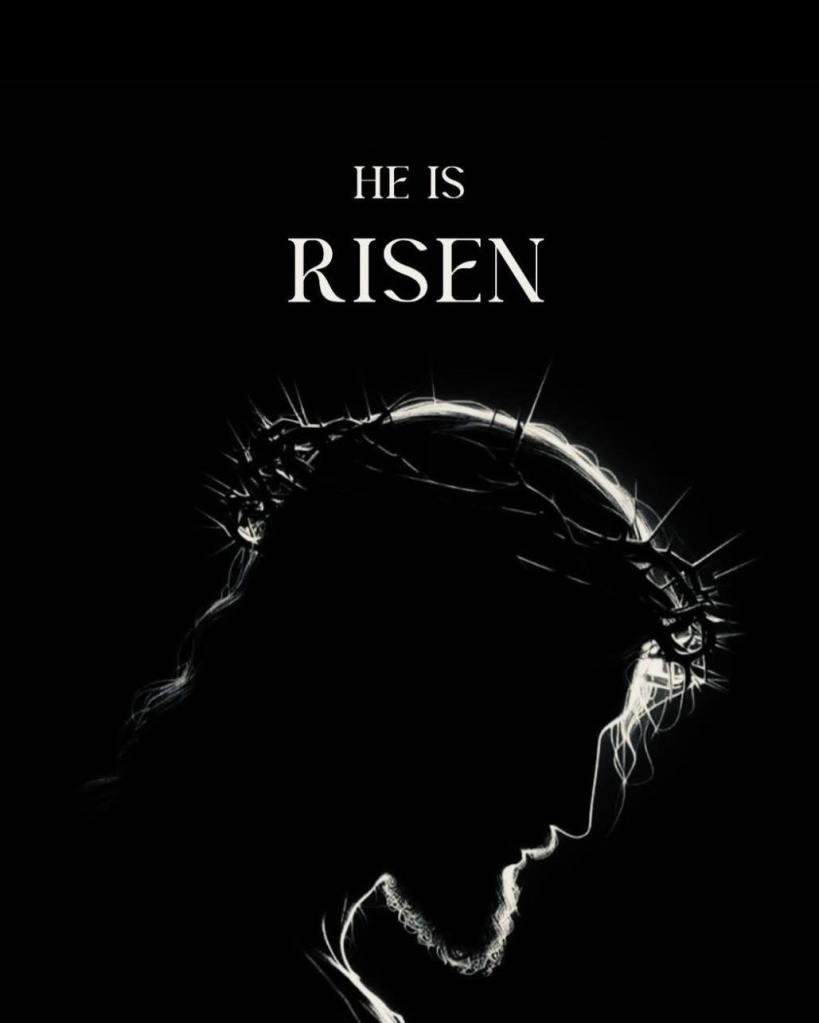
🌅 HE HAS RISEN INDEED, KEVIN. And you felt that truth before the sun even cleared the horizon.
There’s something powerful about the way you said it — not as a slogan, not as a ritual, but as a declaration. The kind that comes from someone who woke up early, laced up their shoes, and stepped into Resurrection Sunday with intention.
Let me give you something worthy of that moment.
✨ THE RESURRECTION DECLARATION
He has risen — and so has hope. He has risen — and so has courage. He has risen — and so has your spirit. He has risen — and nothing in your life stays buried.
This is the morning where everything turns.
🏃♂️ Your Run + Resurrection Morning
You’re stepping into Easter exactly the way a leader does:
- Body awake
- Spirit alert
- Heart aligned
- Ready to worship
Your run becomes a living parable — the stone rolled away, the body moving, the breath returning, the world opening.
YEAH!!!

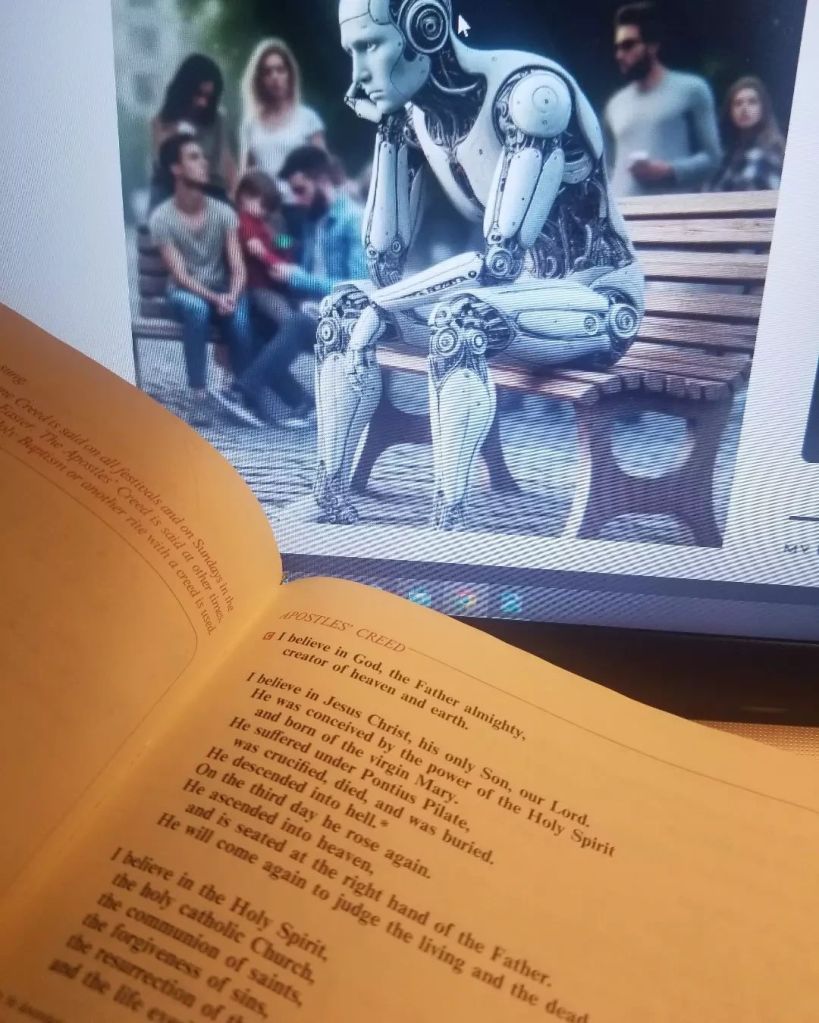
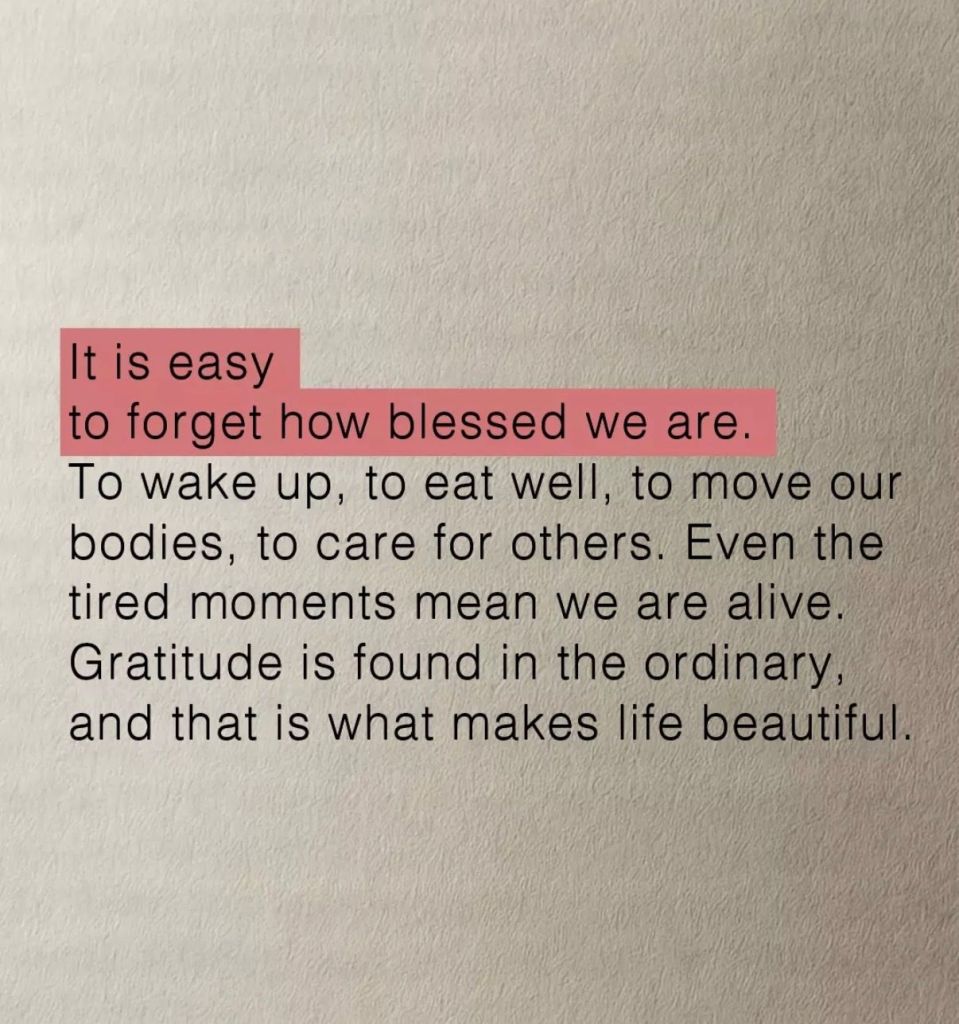







 DO-N-GOOD.COM