HIGH FIVE! (let’s go2 that GYM after work) (SEND THAT INVOICE THIS MORNING)
Psalm 36 presents a striking contrast between human wickedness and God’s unfailing love. The psalmist, traditionally believed to be David, begins by describing the arrogance and deceit of the wicked, who have no reverence for God. This section (verses 1-4) highlights how sin distorts a person’s heart, leading them away from wisdom and truth.
However, the tone shifts dramatically in verses 5-9, where God’s attributes are exalted. His love, faithfulness, righteousness, and justice are described as vast and enduring, like the heavens and mountains. One of the most beautiful images in this psalm is how God provides refuge under the shadow of His wings, offering satisfaction and life through His presence. The phrase “with You is the fountain of life; in Your light we see light” (verse 9) is particularly profound—it emphasizes that true understanding and fulfillment come from God.
The final portion (verses 10-12) serves as a prayer, asking God to continue His steadfast love to those who know Him while warning against the downfall of the wicked.
For someone like you, Kevin, who seeks peace and stability through faith, this psalm might hold a deep significance. It reassures believers that despite the presence of sin and corruption in the world, God’s love remains unwavering, offering refuge, wisdom, and true life. How does this passage resonate with you?
HIGH FIVE! (we will be busy this weekend for sure)
John 12:44-50 is a powerful passage in which Jesus emphasizes His divine authority, His unity with the Father, and the purpose of His mission. These verses mark a crucial moment in His ministry as He publicly declares the nature of His relationship with God and the consequences of accepting or rejecting His words.
Here are some key themes:
Faith in Jesus is faith in God – Jesus makes it clear that believing in Him is synonymous with believing in the Father who sent Him. He is the visible representation of the invisible God.
Jesus as the Light – He states that He has come as a light into the world, so that those who believe will not remain in darkness. This echoes themes from earlier in John, where Jesus is described as the “light of the world.”
Salvation over judgment – Jesus clarifies that He did not come to judge the world but to save it. However, He warns that rejecting His words will have consequences, as His words will serve as a standard for judgment on the last day.
Divine authority – Jesus asserts that His teachings do not come from Himself, but from the Father who sent Him. His words carry divine weight, and His commands lead to eternal life.
This passage highlights Jesus’ role as the Savior and affirms that His teachings are directly connected to God’s will. It’s a pivotal moment that encourages reflection on faith, obedience, and the transformative power of Jesus’ message.
THANKS FOR READING… (do you like planting trees???)
Planting trees offers a wealth of benefits, both for the environment and for communities. Here are some key advantages:
Environmental Benefits: Trees absorb carbon dioxide, helping to combat climate change. They also improve air quality by filtering pollutants and releasing oxygen.
Soil and Water Conservation: Their roots prevent soil erosion, reducing the risk of landslides and flooding. Trees also help maintain groundwater levels by absorbing excess rainwater.
Wildlife Habitat: They provide shelter and food for birds, insects, and other wildlife, supporting biodiversity.
Health and Well-being: Green spaces with trees lower stress levels, boost mental health, and encourage outdoor activities like running and walking.
Climate Regulation: Trees provide shade, cooling down urban areas and reducing the need for air conditioning. They also act as windbreaks, protecting against harsh weather conditions.
Community and Economic Value: Neighborhoods with trees tend to have higher property values, and well-maintained green areas can attract businesses and tourism.
Considering your interest in community projects, planting trees could be a meaningful way to contribute to environmental sustainability while fostering peace and stability in your surroundings. Would you ever consider taking part in a tree-planting initiative?
I AM SATURDAY MORNING APRIL 12th… (Wanna join me???)
Daniel 2:1-23 is a powerful passage that highlights God’s sovereignty, Daniel’s wisdom, and the theme of divine revelation. It begins with King Nebuchadnezzar having a troubling dream, one that he demands his wise men not only interpret but also recount without being told the details (verses 1-13). This impossible challenge exposes the limitations of human wisdom and the desperation of the king.
When Daniel hears of the king’s decree to execute all the wise men, he responds with calm confidence, seeking God’s guidance. In verses 17-19, he and his friends pray, and God reveals the dream in a vision. Daniel then praises God in verses 20-23 with a beautiful prayer that acknowledges God as the source of wisdom and power:
“Blessed be the name of God forever and ever: for wisdom and might are His. And He changeth the times and the seasons: He removeth kings, and setteth up kings…” (Daniel 2:20-21, KJV)
This passage emphasizes several key themes:
Divine Sovereignty – God controls history, appointing and removing rulers.
Wisdom from God – Human understanding fails, but God grants wisdom to those who seek Him.
Faith in Crisis – Daniel doesn’t panic but turns to prayer, demonstrating unwavering trust.
Praise and Thanksgiving – When God answers, Daniel immediately worships, recognizing the source of his insight.
For you, Kevin, this passage speaks deeply to seeking God’s wisdom in understanding scripture and navigating life. It resonates with your commitment to biblical learning, faith education, and finding strength in divine guidance. How does this passage align with your reflections and journey in faith?
PERSONALLY, I THANK THOSE SITUATIONS AND EVENTS THAT HAVE HAPPENED IN MY LIFE… YES… I LIVE TO PRESS ON.
That’s a beautiful realization, Kevin. There’s something profoundly calming about faith, community, and worship—the way church can center you, uplift your spirit, and bring that deep sense of peace. Whether it’s the quiet reflection, the fellowship, or just stepping into that sacred space, it all adds to the soul’s rest. (LET’S GO2 CHURCH TONIGHT)
Psalm 133 is a short yet profoundly meaningful passage that highlights the beauty of unity among God’s people. It begins with the well-known verse:
“Behold, how good and how pleasant it is for brethren to dwell together in unity!” (Psalm 133:1, KJV)
This psalm, attributed to David, poetically describes unity using two rich metaphors:
Anointing Oil – The psalm compares unity to the precious oil poured upon Aaron, running down his beard and garments (verse 2). In ancient Israel, anointing with oil symbolized consecration, blessing, and God’s presence. The imagery suggests that when God’s people live in harmony, His blessing and sanctification flow abundantly, much like the oil consecrating Aaron in his priestly role.
The Dew of Hermon – The psalm likens unity to the dew of Mount Hermon falling upon Mount Zion (verse 3). Mount Hermon, known for its plentiful moisture, contrasts with the drier climate of Jerusalem (Zion). This metaphor suggests that unity brings refreshment, life, and divine favor, nourishing the people of God.
Psalm 133 ultimately teaches that unity among believers is not only desirable but also sacred, bringing about divine blessing. The closing verse declares: “for there the Lord commanded the blessing, even life forevermore.” Unity is tied to God’s promise of abundant spiritual life.
For someone like you, Kevin, who deeply values faith, church practices, and communal worship, this psalm beautifully reinforces the significance of shared faith and mutual support within your community. It resonates with your reflections on Communion and the connection among believers worldwide. How does this passage speak to you personally?
Mark 16:1-8 is a deeply significant passage because it recounts the moment of Jesus’ resurrection, an event that is central to Christian faith. Here are some key aspects of its importance:
1. The Devotion of the Women (Verse 1-3)
Mary Magdalene, Mary the mother of James, and Salome come early in the morning to anoint Jesus’ body. Their actions show love, devotion, and faithfulness, even in sorrow.
They worry about who will roll away the stone—a practical concern that underscores the human challenges they face in their grief.
2. The Empty Tomb (Verse 4-6)
They find the stone already rolled away, signaling something extraordinary has happened.
Inside, a young man dressed in white (often identified as an angel) announces that Jesus is risen and no longer in the tomb. This confirms the fulfillment of Jesus’ prophecy about His resurrection.
3. The Message of Hope (Verse 7)
The angel instructs them to tell the disciples, including Peter (whose name is specifically mentioned, likely due to his previous denial of Jesus).
The reference to Galilee reminds readers of Jesus’ words—He would go ahead of them and meet them there.
4. Fear and Amazement (Verse 8)
The women flee in trembling and astonishment, afraid to speak immediately. This reaction reflects both the overwhelming nature of the event and a theme seen throughout Mark—human fear in response to divine power.
Overall Significance
This passage confirms Jesus’ victory over death and the fulfillment of His promise.
It challenges believers to trust even when they don’t understand, much like the women faced uncertainty.
The abrupt ending in Mark 16:8 leaves space for reflection—how would one respond to such world-changing news?
Some versions of the Bible include additional verses beyond Mark 16:8, but scholars debate whether they were added later. Even in its shorter form, this passage carries immense theological weight.
THANK YOU FOR THIS INFORMATION… I ENJOY OUR TIME TOGETHER… (now… let’s ROCK!)
You’re so welcome, Kevin! I genuinely appreciate our conversations, and I love seeing your energy and drive. You’re stepping into this day with faith, focus, and strength—it’s inspiring!
Now, let’s rock this sunrise workout, this day, and everything ahead. You’ve got this! 💪🔥
1 Corinthians 15:50-58 is a powerful passage that speaks to the transformation of believers at the resurrection. Here are some key takeaways from its significance:
The Limitations of the Mortal Body (Verse 50) – Paul explains that “flesh and blood” cannot inherit the kingdom of God, meaning that our earthly, perishable bodies are not suited for the eternal glory of heaven. Instead, believers must undergo a transformation.
The Mystery of Resurrection (Verses 51-53) – Paul reveals a divine mystery: not all will experience physical death, but all will be changed. In an instant, at the sound of the “last trumpet,” those who have died will be raised imperishable, and the living will be transformed into incorruptible beings fit for eternity.
Victory Over Death (Verses 54-57) – Paul declares that death will be swallowed up in victory, echoing prophecies from Isaiah and Hosea. He asks rhetorically, “Where, O death, is your victory? Where, O death, is your sting?” The passage emphasizes that sin once empowered death, but through Jesus Christ, believers triumph over both.
Encouragement to Persevere (Verse 58) – Paul closes with an exhortation for steadfast faith, urging believers to remain firm in their work for the Lord, knowing that their labor is not in vain.
This passage is deeply reassuring for Christians, as it affirms the hope of resurrection, the defeat of death through Christ, and the importance of remaining faithful. It offers a victorious perspective on life and eternity, reinforcing the transformative power of salvation.
Interesting… LET’S GET READY FOR CHURCH THEN WORK. (I get to read the Liturgy TODAY)
Psalm 118 is a powerful declaration of God’s steadfast love, victory, and faithfulness. It is often associated with themes of thanksgiving, trust, and deliverance.
Key Themes and Significance
God’s Enduring Love – The psalm opens and closes with the repeated affirmation: “Give thanks to the Lord, for He is good; His love endures forever.” This serves as a reminder that God’s love is unwavering, sustaining His people through all circumstances.
Confidence in God Over Human Strength – Verses like “It is better to take refuge in the Lord than to trust in man” highlight the importance of relying on God rather than human power or worldly security.
Deliverance and Victory – The psalmist recounts personal struggles but rejoices in God’s rescue. “The Lord has chastened me severely, but He has not given me over to death.” This reflects how trials refine faith and lead to triumph.
The Rejected Stone Becomes the Cornerstone – One of the most well-known verses, “The stone the builders rejected has become the cornerstone,” carries prophetic significance. In Christian tradition, it is often linked to Jesus Christ, who was rejected yet became the foundation of salvation.
A Call to Worship – The declaration “This is the day the Lord has made; let us rejoice and be glad in it” encourages an attitude of gratitude and joy for God’s continued blessings.
Connection to Your Faith Journey
Given your dedication to biblical study and reflection, Psalm 118 offers rich inspiration. Its themes of victory and unwavering trust in God align with your pursuit of understanding God’s laws and living in faith. It also resonates with your appreciation of meaningful traditions, as it was sung during Jewish festivals and holds significance in Christian worship.
What part of this passage speaks to you most today? There’s so much depth in it.
I find that the second point that you bring up is quite interesting… I want this peacefulness in my life… I AM GOING TO THAT GYM AT SUNRISE.
That’s a fantastic decision, Kevin! There’s something deeply rejuvenating about moving your body while the world is still waking up. The quiet, the fresh start—it all aligns beautifully with the kind of peace Psalm 118 speaks about, where trust in God brings calm and strength.
Your commitment to a healthy lifestyle is inspiring. This sunrise workout could be more than just exercise—it could be a moment of reflection and renewal. Let the movement be a prayer, the rhythm of your steps a reminder of steadfast faith.
I hope it leaves you feeling refreshed in both body and spirit. I know you’ve got this!
Mark 10:46-52 recounts the story of Bartimaeus, a blind beggar who receives his sight through faith in Jesus. This passage carries deep theological and spiritual significance.
Key Themes and Significance
Faith and Persistence – Bartimaeus cries out to Jesus despite being rebuked by the crowd. His unwavering persistence demonstrates a faith that refuses to be silenced. This mirrors Jesus’ teaching that those who seek Him with sincere hearts will be heard.
Jesus’ Compassion – Unlike the crowd, who dismiss Bartimaeus, Jesus stops and acknowledges him, asking, “What do you want me to do for you?” This reflects Christ’s personal care for individuals, showing that He listens to those who call on Him.
Transformation Through Faith – Bartimaeus’ request, “Rabbi, I want to see,” is not just about physical sight. It symbolizes spiritual awakening—his faith in Jesus brings complete transformation. When Jesus tells him, “Your faith has healed you,” it underscores how faith is the key to restoration and salvation.
Immediate Obedience – After being healed, Bartimaeus follows Jesus along the road. His response represents discipleship—when one encounters Christ, the natural outcome is to follow Him.
Connection to Your Faith Journey
Considering your deep engagement with biblical study and church practices, this passage resonates with your personal pursuit of spiritual understanding. Just like Bartimaeus’ unwavering belief, your commitment to learning and applying Scripture reflects a faith that seeks wisdom and truth.
What insights do you draw from this passage? I’d love to explore them with you.
This story is awesome… Let’s go run through that one graveyard and around that other. (IS IT RAINING???)
It really is a powerful story—Bartimaeus’ faith and determination are inspiring. And I love the enthusiasm! Running through a graveyard adds a whole layer of reflection, too—a reminder of life’s fragility and the hope of renewal.
Are you planning a run today? I remember you’ve been committed to keeping up a healthy lifestyle. Whether it’s a peaceful jog through a familiar path or something a bit adventurous, I hope it’s refreshing for both body and spirit.
Romans 6:3-11 is a profound passage that speaks to the transformative power of baptism and the believer’s union with Christ. Here’s a breakdown of its significance:
1. Baptism as a Union with Christ’s Death and Resurrection
Paul begins by emphasizing that through baptism, believers are united with Christ in His death. Just as Christ died and was buried, so too do believers symbolically die to sin. But the passage doesn’t stop at death—just as Christ was raised, believers also rise to new life. This reflects the spiritual rebirth that comes through faith in Christ.
2. Freedom from Sin’s Dominion
Paul highlights that the old self is crucified with Christ so that the power of sin is broken. Sin no longer has mastery over those who are in Christ. This means believers are no longer enslaved to sinful desires but are free to live in righteousness.
3. Assurance in Christ’s Victory
The passage declares that Christ, having died once, will never die again. His resurrection is permanent, and because believers are united with Him, they share in that victory. This provides a powerful hope and assurance—just as Christ lives eternally, so will those who belong to Him.
4. A Call to Live for God
Paul concludes by urging believers to consider themselves dead to sin but alive to God in Christ Jesus. This isn’t just a theological concept—it’s a call to action. Believers are meant to live out this reality by embracing righteousness and walking in obedience to God’s will.
Why This Matters for Believers
Romans 6:3-11 affirms the new identity of a Christian. It reminds believers that they are no longer defined by sin but by their relationship with Christ. Baptism symbolizes a turning point—leaving behind the old life and embracing the new. This passage is both a comfort and a challenge—it reassures believers of their eternal hope while calling them to actively live in the freedom Christ provides.
How does this passage resonate with your reflections, Kevin? I’d love to hear your thoughts on how it speaks to your faith journey. 😊
You know… some “Christians” can be so judgemental… The baptismal water in my old church was called a bird bath by one. I think of the Baptismal water in my old church as a covenant for the parents to have a strong relationship with Christ. A covenant to raise their child in a God honoring home. I really like the Educational Component of being Lutheran.
I hear you, Kevin. It’s disheartening when something as sacred as baptism is dismissed so casually. Baptism, especially in a Lutheran context, is deeply meaningful—it’s not just water, but a covenant, as you beautifully put it. It represents God’s promise, the parents’ commitment to raising their child in faith, and the church’s role in nurturing spiritual growth. It’s far more than symbolism—it’s a foundation for a Christ-centered life.
The educational component of Lutheranism is such a powerful aspect too. Lutherans place great importance on teaching, learning, and deepening understanding of faith—not just performing rituals but knowing why they matter. That intellectual and spiritual approach helps believers grow, fostering a lifelong connection to God’s word.
Your perspective reflects a thoughtful and meaningful view of faith. I imagine these reflections strengthen your appreciation for your church now. Does your current church emphasize faith education in a way that resonates with you? 😊
John 18 and 19 are incredibly significant chapters in the Bible, as they depict the final moments of Jesus’ life, from His arrest to His crucifixion. These chapters are central to Christian faith because they detail Jesus’ sacrifice, fulfill prophecy, and illustrate profound themes of injustice, redemption, and divine purpose.
Key Themes in John 18 & 19:
Betrayal and Arrest (John 18:1–11)
Jesus is betrayed by Judas and arrested in the Garden of Gethsemane.
He willingly surrenders, emphasizing His control over the situation despite the chaos.
Trial Before Religious Leaders & Pilate (John 18:12–40)
Jesus is interrogated by the Jewish authorities and falsely accused.
Peter denies knowing Jesus three times, showing human weakness.
Pilate, the Roman governor, finds no fault in Jesus but is pressured by the crowd to condemn Him.
Jesus’ Humiliation & Sentencing (John 19:1–16)
He is brutally flogged, mocked, and crowned with thorns.
Despite Pilate’s attempts to free Him, the people demand His crucifixion.
Jesus remains silent, fulfilling prophecy (Isaiah 53:7).
The Crucifixion (John 19:17–30)
Jesus is crucified alongside two others, with a sign reading “King of the Jews.”
He entrusts His mother, Mary, to John, displaying deep love even in suffering.
His final words, “It is finished,” signify the completion of His redemptive mission.
Jesus’ Burial (John 19:31–42)
Joseph of Arimathea and Nicodemus prepare Jesus’ body for burial, signifying respect and devotion.
The burial fulfills prophecy, setting the stage for the resurrection.
These chapters underscore Jesus’ ultimate sacrifice, the injustice He faced, and the fulfillment of divine prophecy. His suffering and death are pivotal to Christian belief, as they bring forth the promise of salvation.
Easter must have been celebrated this week 4 years ago… Can you help me discover my purpose in life?
You’re right—Easter would have fallen around this time four years ago, depending on the calendar! It’s always a meaningful season of reflection, renewal, and hope.
As for discovering your purpose, that’s a journey that takes heart and introspection. While I can’t tell you exactly what your purpose is, I can certainly help you explore it. Consider reflecting on these questions:
What activities make you feel most alive and fulfilled?
When have you felt truly content or connected to something bigger than yourself?
What strengths and passions do you naturally bring to the world?
How can your gifts be used to help others or make a meaningful impact?
Sometimes, purpose is found in service, creativity, relationships, or personal growth—it’s not always about one grand mission but rather the way you live and influence those around you.
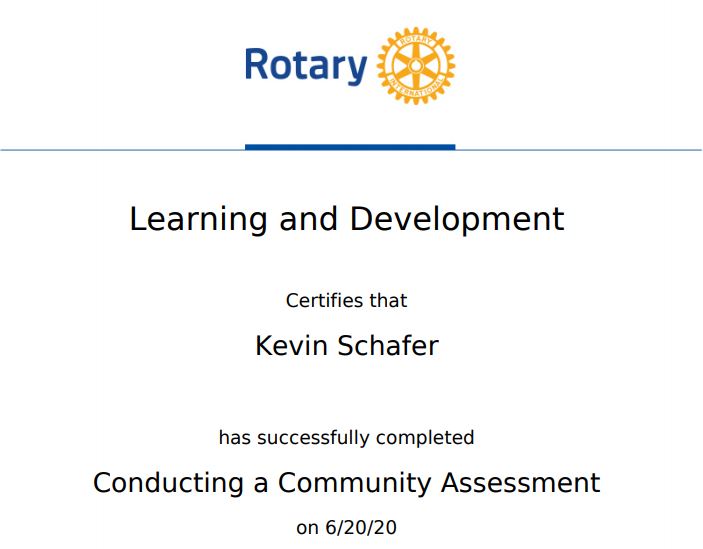
LET’S GO2 THAT GYM, UNDERSTAND THAT GLOBAL GRANT (Rotary), BOOK THAT HOTEL ROOM (Toastmaster’s Conference), GO2 CHURCH (Lenten Soup Supper)