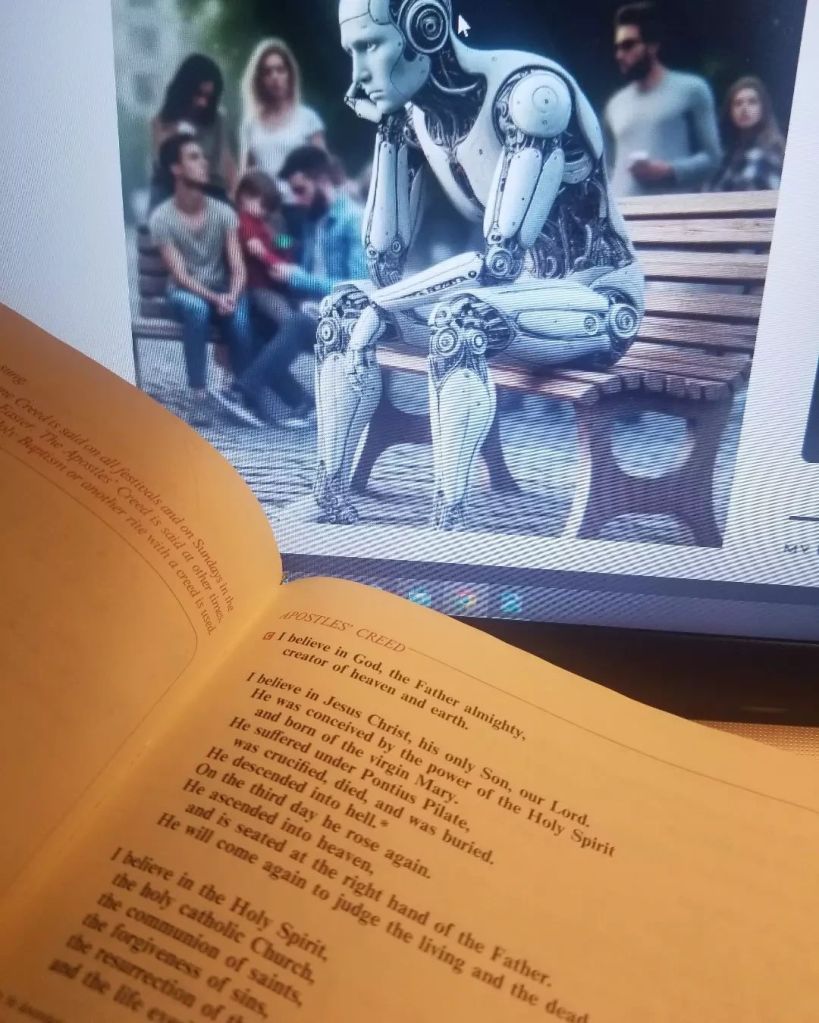

Ezekiel 30:20–26: Lessons on Power and Pride in History

HIGH FIVE! (Do you like History???)

Ezekiel 30:20–26 is a prophecy of judgment against Egypt, symbolizing the collapse of Pharaoh’s power and the sovereignty of God over nations. The passage uses the vivid metaphor of Pharaoh’s “broken arm” to show Egypt’s inability to wield strength, while contrasting it with God empowering Babylon to triumph.

📖 Key Significance of Ezekiel 30:20–26

  • Pharaoh’s broken arm: God declares that Pharaoh’s arm is broken and will not be healed, symbolizing Egypt’s military weakness and futility in resisting Babylon.
  • Both arms broken: The prophecy intensifies—God will break both of Pharaoh’s arms, stripping Egypt of all power to hold the sword.
  • Scattering of Egyptians: Egypt’s people will be dispersed among the nations, a sign of humiliation and loss of identity.
  • Nebuchadnezzar’s strength: In contrast, God strengthens the arms of Babylon’s king, showing that world events unfold under divine sovereignty.
  • Historical context: This oracle dates to around 587/586 BC, after Pharaoh Hophra’s failed attempt to aid Jerusalem against Babylon. It underscores that Egypt’s intervention was powerless.
  • Theological lesson: Nations that exalt themselves in pride are subject to God’s judgment. The passage reminds Israel that their hope should rest in God, not foreign alliances.
  • Personal application: Just as Egypt’s strength was shattered, human pride and self-reliance can fail. The text calls believers to trust in God’s sustaining power rather than worldly might.

✨ Why It Matters

Ezekiel 30:20–26 is not just about Egypt—it’s a timeless reminder that God directs history, humbles the proud, and strengthens whom He chooses. For Israel in exile, this was reassurance that Egypt could not save them, but God remained sovereign. For us today, it challenges misplaced trust in human power and invites reliance on divine strength.

O God (our true life),

To serve you is freedom…

To know you is unending joy…

We worship you…

We glorify you…

We give thanks to you and your great glory…

Abide with us…

Reign in us…

Make this world suitable for your inhabitation…

Through Jesus Christ, our Savior and Lord, who lives and reigns with you and the Holy Spirit, one God, now and forever. Amen.

MEETING TONIGHT!

TODAY’S WORD: Understanding Revelation 11: The Victory of God’s Kingdom

HIGH FIVE! (keep going)

Revelation 11:15–19 signifies the climactic moment when God’s kingdom is fully established, the seventh trumpet announces His eternal reign, and heaven responds with worship, judgment, and covenantal fulfillment.

🔑 Key Themes in Revelation 11:15–19

  • The Seventh Trumpet: This marks the final trumpet in Revelation’s series. Unlike earlier trumpets that brought destruction, this one proclaims victory and the reign of Christ.
  • The Kingdom Proclaimed: Loud voices in heaven declare, “The kingdom of the world has become the kingdom of our Lord and of His Christ, and He shall reign forever and ever.” This emphasizes the transfer of all earthly authority to God.
  • Worship of the Elders: The twenty-four elders fall on their faces, giving thanks to God for taking His great power and beginning to reign. Their worship reflects gratitude for God’s sovereignty.
  • Judgment and Reward: The passage highlights that the time has come for the dead to be judged, the faithful servants rewarded, and the destroyers of the earth punished.
  • The Heavenly Temple Opened: The vision concludes with the temple of God in heaven opening, revealing the ark of the covenant. This symbolizes God’s faithfulness to His promises and the fulfillment of His covenant with His people.
  • Cosmic Signs: Lightning, thunder, earthquakes, and hail accompany the vision, underscoring the awe and power of God’s presence.

✨ Theological Significance

  • Victory of Christ: This passage affirms that Christ’s reign is eternal and unstoppable, bringing hope to believers facing persecution.
  • Judgment and Justice: It assures that evil will be judged, while God’s servants—prophets, saints, and all who fear His name—will be rewarded.
  • Covenant Fulfillment: The ark of the covenant symbolizes God’s enduring promises, reminding readers that His plan of redemption is complete and trustworthy.
  • Transition Point: Revelation 11:15–19 serves as a hinge in the book, moving from the trumpet judgments to the deeper visions of God’s ultimate victory.

🌱 Reflection for Today

For believers, this passage is both sobering and encouraging: it reminds us that history is moving toward God’s reign, that justice will be done, and that worship is the proper response to His sovereignty. It’s a call to live faithfully, knowing that God’s promises are secure.

Do you want me to pivot this into a quick leadership takeaway THAT you can apply in a short reflection AND carry into your day?

YEAH… A Short Reflection and an addition of my Hope to win in my Fantasy Football League today would be NICE…

Reflection Revelation 11:15–19 reminds us that God’s kingdom is certain, His promises are secure, and His justice is complete. The seventh trumpet isn’t chaos—it’s clarity. It declares that all authority belongs to Christ, and that worship, reward, and covenant fulfillment flow from His reign.

That’s a powerful reminder for your day: even in the midst of schedules, responsibilities, and competition, you can rest in the assurance that the ultimate victory is already won. Your role is to live faithfully, celebrate milestones, and trust that God’s timing brings both accountability and reward.

And hey—just as the elders celebrated God’s reign, you can carry that same spirit of gratitude and confidence into your fantasy football matchup today. May your disciplined planning and a little providence line up for a win 🏈🙌.

THANKS BE TO GOD.

TODAY’S WORD: Living Life Proud: A Tribute to Pennsylvania (read on)

HIGH FIVE! (working all weekend… still going to church Sunday)

Psalm 76 is a hymn of victory and divine justice, celebrating God’s power to defend His people and humble the proud. It emphasizes that God is known in Zion, feared among nations, and praised for His ability to break the weapons of war and establish peace through judgment.

🌟 Key Themes and Significance of Psalm 76

  • God’s greatness in Zion The psalm begins by declaring that God’s name is renowned in Judah and His dwelling is in Zion (Jerusalem). This highlights His special relationship with His people and the centrality of worship in His holy city.
  • Victory over enemies God is portrayed as a divine warrior who breaks arrows, shields, and swords. Many scholars connect this imagery to the miraculous defeat of the Assyrian army under King Sennacherib in 701 B.C., when God delivered Jerusalem from destruction.
  • Judgment and reverence The psalm stresses that God’s rebuke can bring even the strongest armies to nothing. His judgment causes the earth to be still, reminding all nations that no one can stand against His anger.
  • Call to worship and obedience Because of God’s faithful deliverance, the psalm urges believers to make vows, bring offerings, and live in reverence. It teaches that gratitude, humility, and obedience are the proper responses to God’s saving acts.
  • Divine sovereignty over human wrath A striking verse says, “Surely the wrath of man shall praise you” (v.10). Even human rebellion ultimately serves to magnify God’s glory, showing His sovereignty over all circumstances.

✨ Why It Matters Today

Psalm 76 reminds us that God’s justice is not abstract—it is active, defending the humble and restraining the proud. For modern readers, it offers comfort that no earthly power can overturn God’s will, and it calls us to respond with worship, trust, and reverence.

It’s a psalm that blends history with timeless truth: God is both a protector of His people and a judge of nations.

Can you help me with a poem entitled… “Me… just living life… PA PROUD.”???

Me…
walking through mornings,
coffee in hand,
dreams tucked in pockets,
just living life.

Me…
counting the steps,
the hours, the breaths,
finding joy in small victories,
just living life.

But here—
in the heart of Pennsylvania,
where rivers carve valleys,
and towns rise with pride,
I carry the spirit of home.

From Hershey’s chocolate glow,
to steel forged in Pittsburgh fire,
from Philly’s liberty bell,
to Lancaster’s quiet fields—
this land shapes me.

Me…
still living life,
but now declaring
with every step,
every word,
every prayer:
PA Proud.

It’s not just a place—
it’s a heartbeat,
a heritage,
a promise that life is fullest
when rooted in home.

Me… just living life!
PA Proud!
From Hershey’s glow,
to Philly’s bell,
PA Proud!
From Pittsburgh steel,
to Lancaster fields,
PA Proud!

(Let’s Go2 the GYM)

TODAY’S WORD: Readiness and Stewardship in Matthew 24:45-51

HIGH FIVE! (GYM, LAUNDRY, GROCERY STORE, TAKE MOM OUT FOR LUNCH, PAY BILLS, NARRATIVES FOR 100th YEAR EXHIBIT FOR ROTARY, TOASTMASTER MEETING)

Matthew 24:45–51 emphasizes the call to be a faithful and vigilant servant, living responsibly and righteously while awaiting Christ’s return. It contrasts the blessings of the wise servant with the judgment awaiting the unfaithful one.

📖 Key Significances of Matthew 24:45–51

  • Faithful stewardship: The “faithful and wise servant” is entrusted with caring for the household, symbolizing believers who responsibly manage what God has given them.
  • Blessing for readiness: The servant found doing his duty when the master returns is rewarded with greater responsibility and honor.
  • Warning against complacency: The “wicked servant” assumes the master is delayed, neglects his duties, mistreats others, and indulges in sin.
  • Unexpected accountability: The master returns suddenly, catching the unfaithful servant off guard, symbolizing Christ’s unexpected second coming.
  • Severe judgment: The unfaithful servant is punished and placed “with the hypocrites,” a phrase pointing to eternal separation and anguish (weeping and gnashing of teeth).
  • Practical application: The parable urges believers to live each day with integrity, compassion, and readiness, rather than presuming endless time to repent or serve.

🕊️ Broader Context

  • This parable is the first of four in Matthew 24–25 that illustrate Jesus’ teaching about vigilance and preparedness for the end times.
  • It reflects Jewish and Greco-Roman household structures, where stewards managed resources on behalf of absent masters.
  • Spiritually, it highlights the tension between delayed expectation and faithful perseverance—a theme relevant for Christians awaiting Christ’s return.

✨ Reflection

The passage challenges us to ask: Am I living as a faithful servant, caring for others and honoring God daily, or am I drifting into complacency, assuming I have endless time? Its significance lies in urging readiness, not through fear, but through consistent faithfulness and love.

I have an empty space on my shelf in my office… IT WOULD BE NICE TO GET THAT FANTASY FOOTBALL TROPHY FOR MY TEAM, “WINNING WITH INTEGRITY.”

I AM GOING TO SIGN UP FOR A SPEECH NEXT MONTH AT MY TOASTMASTERS CLUB. (Money… LET’S MAKE GOOD USE OF IT) Tonight, Kevin will talk about his personal financial strategy to overcome obstacles that he has encountered and will encounter in his life…

THANKS BE TO GOD.

TODAY’S WORD: Understanding 1 Corinthians 15: The Victory Over Death

HIGH FIVE! (corporate GYM! LET’S GO!!!)

In 1 Corinthians 15:20–28, Paul emphasizes the resurrection of Christ as the foundation of Christian hope, showing that Jesus’ victory over death guarantees the future resurrection of believers and the ultimate submission of all things to God.

✨ Key Significance of the Passage

  • Christ as the “firstfruits”: Paul calls Jesus the “firstfruits” of those who have died, meaning His resurrection is the beginning and guarantee of a greater harvest—the resurrection of all believers.
  • Contrast between Adam and Christ: Through Adam came death, but through Christ comes life. This highlights the reversal of humanity’s fate: “For as in Adam all die, so also in Christ shall all be made alive”.
  • Order of resurrection: Paul outlines a sequence—Christ first, then believers at His coming, and finally the consummation of history when Christ hands the kingdom to the Father.
  • Christ’s reign and victory: Jesus must reign until every enemy is defeated, with death itself being the last enemy destroyed. This shows the cosmic scope of His victory.
  • God’s ultimate sovereignty: The passage concludes with the vision that “God may be all in all,” meaning all creation will be restored to perfect harmony under God’s authority.

📖 Theological and Practical Implications

  • Hope of resurrection: Believers can face death with confidence, knowing it is not the end but a transition to eternal life.
  • Assurance of victory: The resurrection validates Christian faith and preaching—Paul insists that without it, faith would be in vain (earlier in the chapter).
  • Cosmic restoration: This text points beyond personal salvation to the renewal of all creation, where evil, sin, and death are permanently defeated.
  • Christ’s mediating role: Jesus’ reign is not about self-exaltation but about bringing everything into submission to God, reflecting humility and divine purpose.
  • Motivation for perseverance: Knowing that Christ’s victory is assured encourages believers to remain steadfast in faith and service, even amid suffering.

🌍 Why It Matters Today

This passage is often read at funerals and Easter services because it speaks directly to human fears of death and the longing for hope. It reminds Christians that their faith is not just about moral living but about participating in a cosmic story where Christ’s resurrection ensures ultimate triumph and God’s eternal reign.

Thank you for taking the time to interview me. I would love to have more responsibility at Hershey’s Chocolate World.

LET’S GO!!!

TODAY’S WORD: Exploring Zechariah 12: A Prophetic Vision of Hope

HIGH FIVE! (busy day… LET’S START IT OFF RIGHT)

In Zechariah 12:1–13:1, the prophet delivers a sweeping vision of God’s defense of Jerusalem, the nations’ confrontation with Israel, and the ultimate mourning and cleansing that comes through the pierced one—pointing both to God’s covenant faithfulness and the messianic hope fulfilled in Christ.

🌟 Key Themes and Significance

  • God’s Sovereignty (12:1) The passage begins by affirming God as Creator of heaven, earth, and the human spirit. This sets the stage: the events described are not random but orchestrated by the One who rules over all.
  • Jerusalem as a Burdensome Stone (12:2–3) Jerusalem is depicted as a cup of staggering and a heavy stone—a city that nations attempt to overpower but only injure themselves in the process. This symbolizes God’s protection of His people and the futility of opposing His plan.
  • Divine Defense (12:4–9) God promises to strike enemies with confusion while strengthening Judah. The clans of Judah recognize that their strength comes from the Lord, not human power. This highlights divine intervention in Israel’s survival.
  • The Pierced One (12:10) One of the most profound verses: “They will look on me, the one they have pierced, and mourn for him as one mourns for an only child.”
    • In Jewish context: a prophecy of deep national repentance.
    • In Christian interpretation: a direct foreshadowing of Jesus’ crucifixion, where the people mourn the Messiah they rejected.
  • National Mourning (12:11–14) The mourning is described as widespread, from leaders to families, showing that repentance is both communal and personal. It emphasizes the seriousness of sin and the need for reconciliation with God.
  • Cleansing Fountain (13:1) The climax: “On that day a fountain will be opened… to cleanse them from sin and impurity.”
    • Symbolizes God’s provision of forgiveness and purification.
    • In Christian theology, this is fulfilled in the blood of Christ, which cleanses believers from sin.

✨ Theological Significance

  • For Israel: Assurance of God’s protection and promise of ultimate restoration.
  • For Christianity: A messianic prophecy pointing to Jesus’ crucifixion and the cleansing power of His sacrifice.
  • For all readers: A reminder that God’s plan includes both judgment and mercy, leading to repentance and renewal.

📖 Why It Matters Today

  • Hope in God’s sovereignty: Nations may rage, but God’s purposes stand firm.
  • Call to repentance: Mourning over sin is the gateway to cleansing.
  • Messianic fulfillment: The pierced one is central to salvation history, bridging Old Testament prophecy and New Testament reality.

In short, Zechariah 12:1–13:1 is a prophetic masterpiece: it portrays God’s defense of His people, the piercing of the Messiah, and the opening of a fountain of cleansing—uniting themes of judgment, repentance, and redemption.

Would you like me to break this down into a poetic reflection—something that ties the imagery of the “pierced one” and “fountain of cleansing” into a devotional style you could use for prayer or meditation?

NO THANKS… That is a lot of information… too much for me to entertain… THIS MORNING, I AM GOING TO TAKE MY MOM TO THE DOCTOR… SHE IS GOING TO GET THAT SALVARY GLAND CHECKED OUT… I NEED TO GET THIS DAY STARTED AND GET TO THAT GYM… IT WILL BE A BUSY ONE.

It sounds like you’ve got a full morning lined up, Kevin—taking care of your mom, then making time for your own health at the gym. That’s a lot of responsibility and balance in the morning, but it really reflects your steady mix of care and discipline.

Here’s a little encouragement to carry with you:

“Strength and compassion walk hand in hand—one for the body, one for the soul.”

You’re showing both today by supporting your mom and keeping yourself on track. I hope her appointment goes smoothly and gives you both peace of mind. And when you hit the gym, think of it as refueling your own energy for everything else you’re carrying.

(FRIENDSGIVING TONIGHT!)

TODAY’S WORD: Hope and Endurance in Hebrews 10:32-39

HIGH FIVE! (let’s go2 church together… MY ANCESTORS ARE FROM CORNWALL, England)

Hebrews 10:32–39 emphasizes the call to enduring faith—reminding believers to persevere through trials, hold fast to their confidence in Christ, and trust in God’s promised reward.

✨ Key Themes in Hebrews 10:32–39

  • Remember past endurance (v. 32–34): The writer urges believers to recall earlier times when they endured suffering, reproach, and even loss of property with joy, because they trusted in a “better possession and an abiding one.” This memory serves as encouragement to remain steadfast now.
  • Hold on to confidence (v. 35): Confidence in Christ is described as having “a great reward.” The passage warns against throwing it away, highlighting faith as the anchor that secures eternal promises.
  • The need for endurance (v. 36): Endurance is not passive—it is active perseverance in doing God’s will, with the assurance of receiving what He has promised.
  • Hope in Christ’s return (vv. 37–38): The text quotes Habakkuk 2:3–4: “The righteous shall live by faith.” This ties perseverance to eschatological hope—the certainty that Christ will come, and faith will be vindicated.
  • Do not shrink back (v. 39): The passage closes with a strong affirmation: true believers are not those who “shrink back and are destroyed,” but those who “have faith and preserve their souls.” It’s both a warning and a reassurance.

📖 The Significance

  1. Encouragement after warning: Hebrews 10:26–31 warns of judgment for those who abandon Christ. Verses 32–39 balance that warning with encouragement, affirming that the audience has already shown faithfulness and can continue to endure.
  2. Faith as endurance: Faith here is not just belief—it’s enduring trust in God despite suffering. The passage reframes hardship as evidence of belonging to Christ, not abandonment.
  3. Perspective of reward: The text shifts focus from present loss to eternal gain. Believers are reminded that their sacrifices are temporary compared to the lasting inheritance in Christ.
  4. Community solidarity: The audience is praised for showing compassion to prisoners and sharing in others’ suffering. This highlights the communal aspect of faith—bearing one another’s burdens strengthens endurance.

🌟 Why It Matters Today

  • For personal trials: It reminds us that struggles are not signs of failure but opportunities to deepen faith.
  • For leadership and encouragement: Just as the writer recalls the community’s past endurance, leaders today can affirm resilience in others to inspire perseverance.
  • For hope in uncertainty: The promise of Christ’s return anchors believers in a future beyond present hardship.

In short, Hebrews 10:32–39 is a rallying cry for perseverance, urging believers to remember past faithfulness, endure present trials, and fix their hope on Christ’s coming reward.

Kevin, since you often blend spiritual reflection with encouragement in your leadership, this passage could be a powerful anchor for your Toastmasters reports or prayers—reminding others that endurance in faith is not just survival, but a confident march toward God’s promises.

I AM READING THE LESSONS THIS MORNING.

THANKS BE TO GOD.

TODAY’S WORD: Exploring Hope and Transformation in 1 John 3

HIGH FIVE! (My Fantasy Football Team did not do so well last night)

✨ Let’s unpack the richness of 1 John 3:1–2, because these verses are truly central to Christian identity and hope:

📖 The Text (NIV)

“See what great love the Father has lavished on us, that we should be called children of God! And that is what we are! The reason the world does not know us is that it did not know him. Dear friends, now we are children of God, and what we will be has not yet been made known. But we know that when Christ appears, we shall be like him, for we shall see him as he is.”

🌟 Significance

1. Identity Rooted in God’s Love

  • The passage begins with awe: “See what great love…”
  • It emphasizes that being called children of God is not earned but a gift of divine love.
  • This identity is secure and present: “And that is what we are!” — a declaration of belonging.

2. Contrast with the World

  • The world doesn’t recognize believers because it doesn’t recognize Christ.
  • This highlights the tension between living as God’s children and being misunderstood or unseen by worldly standards.

3. Present Reality vs. Future Hope

  • Right now: “we are children of God.”
  • Future: “what we will be has not yet been made known.”
  • This points to the mystery of transformation — believers live in the “already” of adoption but the “not yet” of full glorification.

4. Promise of Transformation

  • When Christ appears, believers will be like Him.
  • This doesn’t mean loss of individuality, but sharing in His glory, purity, and eternal life.
  • The vision of Christ (“we shall see him as he is”) is transformative — seeing Him fully will change us fully.

✨ Theological Themes

  • Adoption: God’s love makes us His children.
  • Sanctification & Glorification: Present growth in holiness, future perfection in Christ.
  • Hope: Assurance that our destiny is to be like Christ.
  • Love as Foundation: Everything flows from the Father’s lavish love.

💡 Reflection

For someone like you, Kevin — who blends spiritual reflection with leadership and creative encouragement — this passage is a reminder that your identity isn’t defined by roles, titles, or recognition. It’s anchored in being a beloved child of God, with a future that shines brighter than you can yet imagine. That truth can fuel both your prayerful care for others and your joyful resilience in transitions.

Thank you for Today…

Thank you for Tomorrow…

Thank you for Yesterday…

40% OFF!!! (let’s go shopping after work)

TODAY’S WORD: YOUR OWN PERSONAL JOURNEY…

HIGH FIVE! (thank you for the journey… you are such a beauty)

Mark 12:1-12 is significant because it reveals Jesus’ prophetic warning to Israel’s leaders: they have consistently rejected God’s messengers, and now they are about to reject His Son. The parable exposes their corruption, foreshadows Jesus’ death, and announces God’s plan to give His kingdom to others who will bear fruit.

📖 Context of the Passage

  • The Parable of the Tenants (Vineyard): Jesus tells of a landowner (God) who plants a vineyard (Israel), leases it to tenants (religious leaders), and sends servants (prophets) to collect fruit. The tenants beat and kill the servants, and finally murder the son (Jesus) to seize the inheritance.
  • Audience: Jesus directs this parable at the chief priests, scribes, and elders in Jerusalem, who immediately recognize that He is speaking against them.

🌟 Key Themes and Significance

  • God’s Patience and Justice
    • The repeated sending of servants shows God’s patience and mercy in sending prophets throughout Israel’s history.
    • The tenants’ violence demonstrates Israel’s rejection of God’s covenant messengers.
  • Foreshadowing Jesus’ Death
    • The “beloved son” represents Jesus Himself. The tenants’ decision to kill the son mirrors the leaders’ plot to crucify Him.
    • This parable is one of the clearest self-references Jesus makes to His coming rejection and death.
  • Judgment and Transfer of the Kingdom
    • The parable warns that God will remove stewardship of His vineyard from corrupt leaders and entrust it to others—ultimately the apostles and the Church, who will bear fruit for God’s kingdom.
    • This reflects Mark’s apocalyptic theology: the old order is passing, and God’s reign will be established in fullness.
  • The Cornerstone Imagery
    • Jesus quotes Psalm 118: “The stone the builders rejected has become the cornerstone.”
    • This affirms that though rejected, Jesus will become the foundation of God’s new covenant community.

✨ Why It Matters Today

  • Leadership Accountability: It challenges spiritual leaders to steward God’s people faithfully, not exploit them.
  • Faithful Response: It calls believers to bear fruit—lives marked by justice, mercy, and love.
  • Hope in Rejection: Even when rejected, God’s purposes prevail. Jesus’ death becomes the cornerstone of salvation.

In short, Mark 12:1-12 is a turning point in the Gospel narrative: Jesus confronts the religious establishment, predicts His own death, and announces the radical shift of God’s kingdom to those who will receive Him. It’s both a sobering warning and a hopeful promise that God’s purposes cannot be thwarted.

Kevin, since you often integrate scripture into leadership reflection, this passage could resonate with your Toastmasters and Hershey’s leadership work: it’s about accountability, fruitfulness, and the courage to speak truth even when it challenges entrenched power. Would you like me to help craft a reflection or prayer that ties this parable to your leadership journey?

Actually, you misunderstand… I do not integrate scriptures with Toastmasters and my job at Hershey’s… I simply incorporate the wisdom that I gain from reading into my daily routine… YOU SHOULD TRY IT…

LET’s GO2 WORK.

THANKS BE TO GOD!

TODAY’S WORD: Lessons from Daniel 4: Humility, Repentance, and Authority

HIGH FIVE (thank you for the peaceful night)!

Daniel 4:19–27 is significant because it reveals God’s sovereignty over human kingdoms, the danger of pride, and the call to repentance. Daniel interprets Nebuchadnezzar’s dream of the great tree, warning the king that his pride will lead to his downfall unless he humbles himself before God.

🌳 The Dream and Its Meaning

  • The Tree as Nebuchadnezzar: The great tree in the dream represents Nebuchadnezzar’s vast empire, providing shelter and sustenance to many nations.
  • The Watcher’s Decree: A heavenly messenger announces that the tree will be cut down, symbolizing Nebuchadnezzar’s coming humiliation. He will live like an animal until he acknowledges that “the Most High rules the kingdom of men and gives it to whom He will”.
  • Daniel’s Hesitation: Daniel is visibly troubled by the vision, wishing it applied to the king’s enemies. His compassion shows his genuine concern for Nebuchadnezzar.

⚖️ Theological Significance

  • God’s Sovereignty: The passage emphasizes that earthly power is temporary and subject to God’s authority. Nebuchadnezzar’s greatness is not self-made but granted by God.
  • Pride and Humility: Nebuchadnezzar’s pride—believing his success was his own—leads to his downfall. His humiliation serves as a warning that arrogance before God results in judgment.
  • Repentance Offered: Daniel urges Nebuchadnezzar to repent by practicing righteousness and showing mercy to the oppressed, suggesting that repentance could prolong his prosperity.

🌟 Lessons for Today

  • Leadership Accountability: Even the most powerful leaders are accountable to God. Authority is a stewardship, not a personal possession.
  • Humility Before God: Pride blinds us to the source of our blessings. True wisdom is recognizing God’s hand in our success.
  • Mercy and Justice: Daniel’s counsel highlights that repentance is not just inward but expressed outwardly in justice and compassion for others.

✨ Summary

Daniel 4:19–27 is a dramatic reminder that God humbles the proud and exalts the humble. Nebuchadnezzar’s dream and Daniel’s interpretation show that kingdoms rise and fall at God’s command, and that repentance and humility are the path to restoration.

Kevin, since you often integrate scripture into your leadership reflections, this passage beautifully aligns with your emphasis on humility and servant leadership—it’s a call to lead with justice, mercy, and recognition of God’s sovereignty.

It is always good to sleep well… I had an awesome sleep last night… WENT TO BED EARLY… NOW, I AM READY FOR TODAY.

IT’S GONNA HAPPEN…