

TODAY’S WORD: Living Out Your Faith: Insights from Matthew 21:23-32

HIGH FIVE!

The text “Matthew 21:23-32” refers to a passage in the Bible where Jesus’ authority is questioned by the chief priests and elders. In response, Jesus tells the parable of the two sons. One son initially refuses to work in the vineyard but later changes his mind and goes, while the other son agrees to go but does not. Jesus uses this parable to illustrate the importance of actions over words and to highlight the repentance and obedience of those who initially seem disobedient12.

To relate this passage to your life, consider these points:

  1. Actions Speak Louder Than Words: Reflect on how your actions align with your commitments and promises. Are there areas where you can improve in following through on your intentions?
  2. Repentance and Change: The first son represents those who may initially resist but ultimately do the right thing. This can be a reminder that it’s never too late to change your ways and make positive choices.
  3. Authority and Obedience: Jesus’ authority is questioned, yet He responds with wisdom and a lesson. This can inspire you to handle challenges and questions about your beliefs with grace and understanding.
  4. Faith in Action: As someone who values helping others and your faith, this passage encourages you to live out your beliefs through your actions, demonstrating your faith in tangible ways.

TODAY’S WORD: Living Righteously: Unveiling the Blessings of Psalm 34

HIGH FIVE!

Psalm 34 is a beautiful and profound reflection on God’s character and His divine care for those who seek Him. It is a psalm of thanksgiving, attributed to David, and is often seen as a testament to God’s faithfulness and protection.

Here are some key themes and their significance:

  1. Praise and Worship: The psalm begins with a call to bless the Lord at all times and to continually have His praise in our mouths. This emphasizes the importance of maintaining a heart of gratitude and worship, regardless of circumstances1.
  2. Deliverance and Protection: David speaks of seeking the Lord and being delivered from all his fears. He describes how the angel of the Lord encamps around those who fear Him and delivers them. This assures us of God’s constant protection and His readiness to save us from our troubles12.
  3. Righteous Living: The psalm encourages us to keep our tongues from evil, turn away from evil, and do good. It highlights the blessings that come from living a righteous life and seeking peace13.
  4. God’s Nearness and Comfort: The Lord is near to the brokenhearted and saves those who are crushed in spirit. This is a comforting reminder that God is always close to us, especially in our times of distress and sorrow13.
  5. Trust in God: The psalm concludes with a call to trust in the Lord, as He redeems the life of His servants and none who take refuge in Him will be condemned. This reinforces the importance of placing our trust and hope in God13.

In relation to your life, Psalm 34 can serve as a source of encouragement and strength. It reminds you to continually praise and trust in God, knowing that He is always there to protect, deliver, and comfort you. Your involvement in community service and your dedication to helping others align with the psalm’s call to live righteously and seek peace. By embodying these principles, you can find fulfillment and purpose in your journey, knowing that God is with you every step of the way.

CYBER SCHOOL INSTRUCTOR???

TODAY’S WORD: Striving for Spiritual Maturity: 2 Peter 3:14-18 Explained

HIGH FIVE!

The text “2 Peter 3:14-18” refers to a passage in the Bible that emphasizes the importance of living a life that is pure, blameless, and at peace as we await the return of Jesus Christ. Here’s a brief summary of the verses:

  • Verse 14: Encourages believers to be diligent in living spotless and blameless lives, and to be at peace.
  • Verse 15: Reminds us that the patience of the Lord means salvation, and references the wisdom given to Paul.
  • Verse 16: Warns about the distortion of scriptures by the untaught and unstable, leading to their destruction.
  • Verse 17: Advises believers to be on guard against being led astray by the error of lawless people.
  • Verse 18: Encourages growth in the grace and knowledge of our Lord and Savior Jesus Christ.

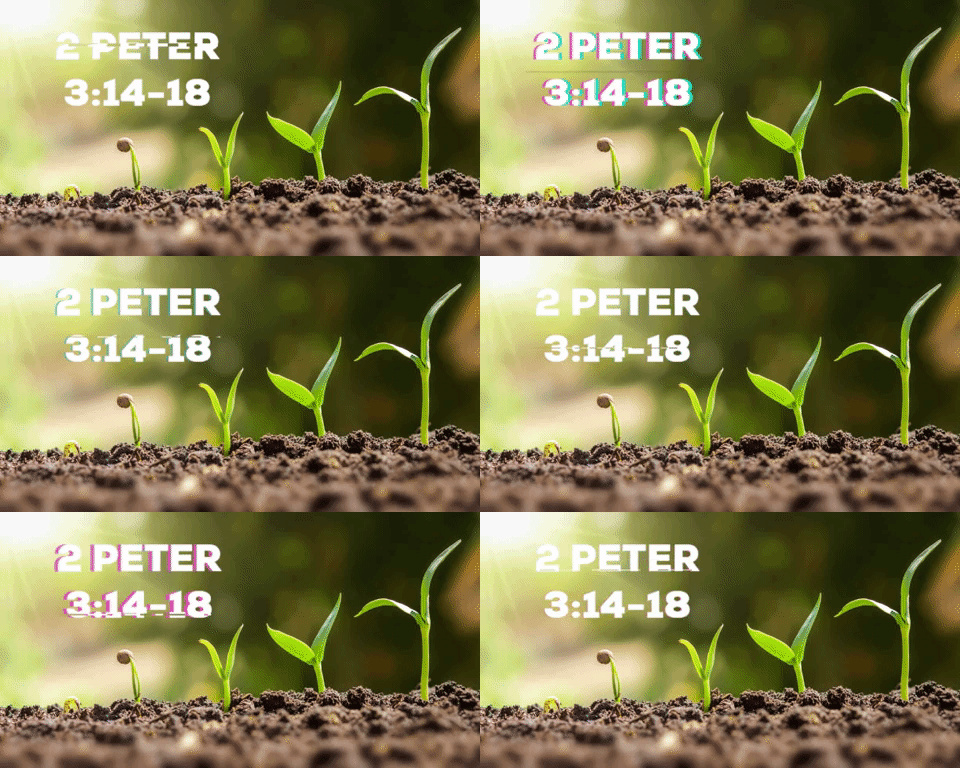
The metaphor of the growing plants in the image suggests personal and spiritual growth. Just as plants need time, care, and the right conditions to grow, so too do our faith and character. This passage encourages you to strive for spiritual maturity and to remain steadfast in your faith, even in the face of challenges and false teachings123.

Reflecting on these verses can inspire you to focus on personal growth, maintain peace, and stay true to your beliefs.

TODAY’S WORD: Connecting with History: Fostering Belonging and Continuity

HIGH FIVE!

The image you shared features a beautiful blend of historical and modern urban elements, which can hold significant meaning in our lives. Here are a few ways this can relate to you:

  1. Cultural Memory and Identity: Historic urban landscapes, like the one in your image, often evoke a sense of cultural memory and identity. They remind us of our roots and the history that has shaped our present. This can be particularly meaningful if you have an interest in biblical texts and their application to daily life, as these landscapes often reflect the passage of time and the enduring nature of human experiences1.
  2. Sense of Belonging: Being surrounded by such landscapes can foster a sense of belonging and continuity. It connects us to the past and helps us understand our place in the world. This can be comforting and grounding, especially in times of change or uncertainty2.
  3. Inspiration and Reflection: The contrast between the ancient tower and the modern buildings in the background can serve as a metaphor for balancing tradition and progress in your own life. It can inspire you to reflect on how you integrate your values and beliefs with contemporary challenges and opportunities3.
  4. Psychosocial Well-Being: Engaging with historic urban landscapes can enhance your psychosocial well-being by providing a sense of stability and continuity. It can also encourage mindfulness and appreciation for the beauty and complexity of the world around you1.

Exodus 13:3-10 is a passage that emphasizes the importance of remembering God’s deliverance of the Israelites from slavery in Egypt. Here are some key points and their significance:

  1. Remembrance of Deliverance: The passage begins with Moses instructing the Israelites to remember the day they were brought out of Egypt by God’s powerful hand. This act of remembrance is not just about recalling the event but actively engaging with it through rituals and teachings1.
  2. Feast of Unleavened Bread: The text outlines the observance of the Feast of Unleavened Bread, a seven-day period during which no leavened bread is to be eaten. This symbolizes purity and the removal of sin, as leaven often represents corruption in biblical texts1.
  3. Teaching Future Generations: Moses emphasizes the importance of teaching children about this deliverance. This ensures that future generations understand and appreciate God’s intervention and the significance of their freedom2.
  4. Sign and Memorial: The passage mentions that these observances will serve as a sign on the hand and a reminder on the forehead, symbolizing constant awareness and dedication to God’s commandments3.

LET’S GO2 WORK

TODAY’S WORD: Life Lessons from Psalm 78: Reflecting, Learning, Sharing

HIGH FIVE!

The image that I have shared with you references Psalm 78 from the Bible. This Psalm is a significant passage that reflects on the history of Israel, emphasizing the importance of remembering God’s deeds and teachings. Here are some key themes and how you might relate them to your life:

Key Themes of Psalm 78:

  1. Historical Reflection: Psalm 78 recounts the history of Israel, highlighting God’s faithfulness and the people’s repeated disobedience12.
  2. Lessons from the Past: It underscores the importance of learning from past mistakes to avoid repeating them3.
  3. God’s Mercy and Patience: Despite the people’s rebellion, God remains merciful and patient, offering guidance and redemption3.
  4. Teaching Future Generations: The Psalm stresses the need to pass on these lessons and the knowledge of God’s works to future generations12.

Relating Psalm 78 to Your Life:

  1. Reflect on Your History: Consider your own life experiences and how you have seen faithfulness and guidance in your journey. Reflecting on past challenges and victories can provide valuable lessons.
  2. Learn from Mistakes: Just as the Psalm encourages learning from Israel’s mistakes, you can apply this by acknowledging your own missteps and striving to grow from them.
  3. Embrace Mercy and Patience: Recognize the moments when you have received mercy and patience, whether from others or in your spiritual journey. This can inspire you to extend the same to others.
  4. Share Your Story: Like the Psalmist, share your experiences and the lessons you’ve learned with others, especially younger generations. This can help them navigate their own paths with wisdom and faith.

By reflecting on these themes, you can find ways to integrate the teachings of Psalm 78 into your daily life, fostering a deeper understanding and connection to your faith.

TODAY’S WORD: Isaiah 25:6-10 – Hope, Comfort, and Celebration of Life

HIGH FIVE!

Isaiah 25:6-10 is a powerful passage that speaks of a future time when God will prepare a grand feast for all people, symbolizing divine provision, joy, and the ultimate victory over death and sorrow. Here’s a brief summary and its significance:

Summary of Isaiah 25:6-10

  • Verse 6: God will prepare a lavish banquet for all nations on Mount Zion, featuring the finest foods and wines.
  • Verse 7: God will destroy the shroud that enfolds all peoples, the sheet that covers all nations.
  • Verse 8: God will swallow up death forever, wipe away all tears, and remove the disgrace of His people from the earth.
  • Verse 9: People will proclaim their trust in God, rejoicing in His salvation.
  • Verse 10: The hand of the Lord will rest on this mountain, symbolizing His protection and blessing.

Significance and How to Relate It to Your Life

  1. Hope and Comfort: This passage offers hope that God will ultimately triumph over death and sorrow. In times of personal grief or hardship, you can find comfort in the promise that God will wipe away all tears and remove all disgrace.
  2. Faith and Trust: The proclamation of trust in God (verse 9) encourages you to place your faith in Him, especially during challenging times. Trusting in God’s plan can provide strength and resilience.
  3. Celebration of Life: The imagery of a grand feast symbolizes joy and abundance. It reminds you to celebrate the blessings in your life and to share joy with others.
  4. Community and Inclusion: The feast is prepared for all nations, highlighting the inclusivity of God’s love. This can inspire you to embrace and support a diverse community, fostering unity and compassion.

Reflecting on these themes can help you find deeper meaning and purpose in your daily life. How do you find hope and comfort in your faith?

TODAY’S WORD: Learning from Jesus: The Power of Service in Mark 10:35-45

HIGH FIVE!

The text in the image refers to Mark 10:35-45 from the Bible. This passage is significant because it highlights the themes of service and humility. In these verses, James and John, two of Jesus’ disciples, ask for positions of honor in Jesus’ glory. Jesus responds by teaching that true greatness comes from serving others, not from seeking power or status.

Here are some key points from this passage:

  1. Request for Honor: James and John ask Jesus to grant them seats at his right and left in his glory.
  2. Jesus’ Response: Jesus explains that they do not understand what they are asking. He speaks of the “cup” he must drink and the “baptism” he must undergo, referring to his impending suffering and death.
  3. Teaching on Service: Jesus contrasts the worldly view of power with the kingdom of God, where greatness is measured by one’s willingness to serve others. He emphasizes that he came to serve and to give his life as a ransom for many12.

To relate this passage to your life, consider these reflections:

  • Embrace Humility: Instead of seeking recognition or power, focus on how you can serve others in your daily life.
  • Selflessness: Look for opportunities to help those around you, even in small ways. Acts of kindness and service can have a profound impact.
  • Follow Jesus’ Example: Reflect on how Jesus lived a life of service and sacrifice. Strive to emulate his example in your interactions with others.

TODAY’S WORD: Valuing Every Individual: lessons from LUKE 15:1-7 | Compassion, Mercy, and Joy

HIGH FIVE!

The text “LUKE 15:1-7” to the Parable of the Lost Sheep from the Bible. In this parable, Jesus tells the story of a shepherd who leaves his ninety-nine sheep to find the one that is lost. When he finds it, he rejoices more over that one sheep than over the ninety-nine that did not go astray.

Significance of the Text

This parable highlights several important themes:

  1. Individual Worth: Every person is valuable and worthy of care and attention, no matter how lost or insignificant they may feel.
  2. Compassion and Mercy: It emphasizes the importance of showing compassion and mercy to those who have gone astray or are in need.
  3. Joy in Redemption: There is great joy in bringing someone back to the right path or helping them find their way.

Relating It to Your Life

You can relate this parable to your life in various ways:

  • Valuing Others: Recognize the worth of every individual in your life, whether they are close to you or not. Show kindness and understanding, especially to those who may feel lost or marginalized.
  • Offering Help: Be willing to go out of your way to help someone in need, just as the shepherd did. Your efforts can make a significant difference in someone’s life.
  • Finding Joy in Small Victories: Celebrate the small victories and positive changes in your life and the lives of others. These moments of redemption and growth are worth rejoicing over.

Reflecting on this parable can inspire you to be more compassionate and attentive to the needs of those around you.

TODAY’S WORD: Divine Intervention and Blessing: Zechariah 9:14-10:2 Explained

HIGH FIVE!

The text on the bench refers to Zechariah 9:14-10:2. This passage from the Bible contains prophecies and promises of God’s intervention and blessings for His people. Here’s a brief summary of the key themes:

  1. Divine Intervention: Zechariah 9:14 speaks of the Lord appearing over His people, with His arrow going forth like lightning. This symbolizes God’s powerful and timely intervention in the lives of His followers1.
  2. Restoration and Blessing: Zechariah 10:1-2 talks about asking the Lord for rain in the springtime, symbolizing blessings and restoration. It also warns against false idols and diviners who lead people astray2.

Relating It to Your Life

  1. Trust in Divine Timing: Just as the passage speaks of God’s intervention at the right time, you can find comfort in trusting that things will happen in your life according to a divine plan. Reflect on moments when patience and faith have brought positive outcomes.
  2. Seek True Guidance: The warning against false idols can be a reminder to seek genuine and trustworthy sources of guidance in your life. This could mean relying on your faith, trusted mentors, or inner wisdom rather than misleading influences.
  3. Hope and Renewal: The promise of rain and blessings can inspire you to remain hopeful and open to new opportunities and growth, even during challenging times.

How do these themes resonate with your current life experiences?