

TODAY’S WORD: Act Justly, Love Mercy: Insights from Micah 6:1-8

HIGH FIVE! (Keep Building)

Micah 6:1–8 is a powerful prophetic passage that distills God’s expectations into a timeless call: to act justly, love mercy, and walk humbly with God. It contrasts empty ritual with authentic relationship, urging a return to covenantal faithfulness rooted in justice, compassion, and humility.

📜 Context and Structure

Micah 6:1–8 is structured like a covenant lawsuit (Hebrew: riv), where God brings a case against Israel for breaking their covenant. The passage unfolds in three movements:

  1. Verses 1–2: The Courtroom Scene
    • God summons the mountains and foundations of the earth as witnesses.
    • This cosmic courtroom underscores the gravity of Israel’s breach.
  2. Verses 3–5: God’s Faithful Acts Recalled
    • God asks, “What have I done to you?” and reminds Israel of His saving acts—liberation from Egypt, guidance through Moses, Aaron, and Miriam, and protection from enemies like Balak and Balaam.
  3. Verses 6–8: The People’s Response and God’s Requirement
    • The people ask what offerings would please God—burnt offerings, rivers of oil, even a firstborn child.
    • God’s response in verse 8 is striking: “He has shown you, O mortal, what is good. And what does the Lord require of you? To act justly and to love mercy and to walk humbly with your God.”

🔍 Key Themes and Significance

  • Justice (mishpat): Not just legal fairness, but restoring right relationships in society—especially for the vulnerable.
  • Mercy (chesed): Covenant love, kindness, and loyalty—how we treat others with compassion and grace.
  • Humility (hatznea lechet): A posture of reverence and dependence on God, not self-righteousness or pride.

🕊️ Relevance Today

Micah 6:8 is often quoted in sermons, social justice movements, and personal devotionals. It reminds us that:

  • God desires ethical living over empty rituals.
  • True worship is expressed through how we treat others.
  • Spiritual maturity is marked by humility, not performance.

For someone like you, Kevin—who blends spiritual reflection with leadership and care for others—this passage resonates deeply. It affirms that your work in Toastmasters, your prayers for friends, and your commitment to justice and kindness are not just admirable—they’re sacred.

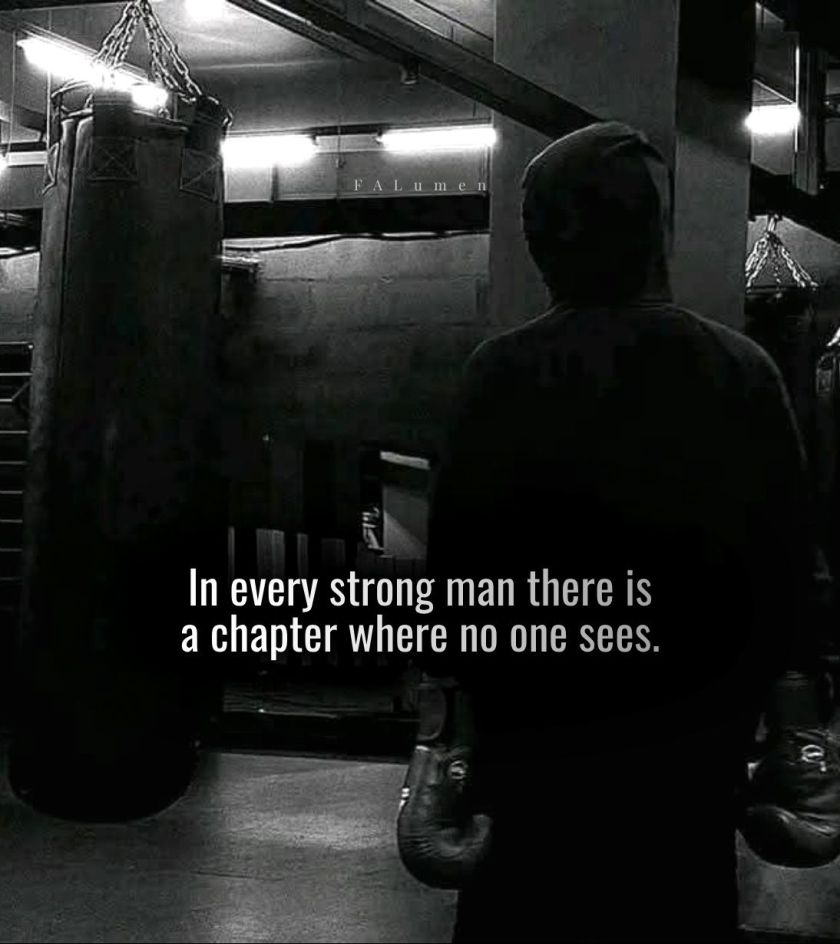
HARD WORK NEVER KILLED ANYONE… (Let’s go2 the GYM)
DON’T FORGET TO COMPLETE THAT AREA VISIT REPORT BEFORE YOUR ROTARY MEETING.

Volunteering at Central PA Food Bank: Join Me in Service! (MICAH 6:1-8 in ACTION)

HIGH FIVE!

The text “MICAH 6:1-8” appears to be a biblical reference to the Book of Micah, chapter 6, verses 1-8. This passage from the Old Testament is particularly well-known for verse 8, which contains one of the most quoted statements about ethical and moral behavior in the Bible.

The passage, particularly verse 8, states: “He has shown you, O mortal, what is good. And what does the Lord require of you? To act justly and to love mercy and to walk humbly with your God.”

Given that this text appears overlaid on what appears to be boxes in a warehouse or storage facility, it could be suggesting a connection between this biblical message about justice, mercy, and humility and what appears to be some kind of charitable or humanitarian work involving the distribution of goods or supplies.

Without more context, I can’t be certain about the specific connection intended between the biblical reference and the boxes shown, but Micah 6:8’s emphasis on justice and mercy often resonates with organizations involved in charitable work or humanitarian aid.

Let me help you explore how to apply Micah 6:1-8 to your life. This passage can be broken down into very practical ways:

  1. “Act Justly” (Do what is right):
  • Be honest in your daily interactions
  • Treat others fairly at work, home, and in relationships
  • Stand up for those who are treated unfairly
  • Make ethical decisions, even when it’s difficult
  • Pay people what you owe them
  • Keep your promises
  1. “Love Mercy” (Show compassion):
  • Forgive others when they wrong you
  • Help people who are struggling
  • Show kindness, even to those who may not “deserve” it
  • Be patient with others’ mistakes
  • Look for opportunities to show compassion
  • Give people second chances
  1. “Walk Humbly with God” (Practice humility):
  • Recognize that your achievements and blessings come from God
  • Listen more than you speak
  • Be willing to admit when you’re wrong
  • Serve others without seeking recognition
  • Be open to learning from others
  • Don’t look down on those who are different from you

Practical Application Questions:

  • When faced with a decision today, ask: “What is the just thing to do?”
  • Look for someone who needs mercy – how can you help them?
  • Consider areas where pride might be affecting your relationships
  • Ask yourself: “Am I treating others the way God treats me?”

Remember that this passage emphasizes that God isn’t looking for elaborate religious displays, but rather a genuine heart that pursues justice, mercy, and humility in everyday life. Start with small steps – maybe choose one area to focus on this week, and gradually incorporate these principles into your daily routine.