
Subscribe to continue reading
Subscribe to get access to the rest of this post and other subscriber-only content.
HIGH FIVE! (We got this!)

1 Corinthians 7:1–7 is Paul’s pastoral correction to a confused church, teaching that marriage is a God‑given context for mutual devotion, sexual faithfulness, and shared authority—not a lesser spiritual path. It affirms both the goodness of marriage and the value of celibacy, but insists that whichever path a believer walks, it must be marked by self‑control, unity, and love.
Below is a clear, structured look at what’s happening in the passage, grounded in the search results you triggered.
The Corinthians had written to Paul with a slogan: “It is good for a man not to have sexual relations with a woman.” Many scholars note this was likely a group in the church promoting extreme asceticism—claiming that even married couples should abstain from sex to be “more spiritual”.
Paul responds by correcting this misunderstanding.
True spirituality is not found in rejecting the body but in honoring God with it. Paul dismantles the idea that celibacy is automatically “more holy.”
This passage is one of the strongest biblical foundations for:
Marriage is not hierarchy—it is partnership.
Corinth was a city of extremes—sexual indulgence on one side, harsh asceticism on the other. Paul calls the church to a balanced, Spirit‑led life.
Whether married or single, the Christian life requires disciplined love, not impulsive desire or rigid denial.
This passage is ultimately about ordered love—love that is disciplined, mutual, and rooted in God’s design.

Thank you… I got to go to that gym this morning again before work… I like these messages in the morning. They are doing a wonderful job orchestrating my life. (May I get a mantra today to gracefully handle any situation that rears its head today???)

“I move with calm strength, I choose my response, and I carry peace into every moment.”

THANKS BE TO GOD.
HIGH FIVE! (easy… THANK YOU FOR THE WISDOM)

Psalm 36 is a beautifully layered psalm, Kevin — one that moves from the darkness of human corruption to the vast, stabilizing goodness of God. The contrast is intentional and dramatic, and it gives the psalm its spiritual power. Drawing from the sources we found, here’s a clear, rich breakdown.
Psalm 36 is built around a striking contrast: the deceitful heart of the wicked versus the steadfast love of God. David paints these two realities side by side so the reader feels the weight of both — and chooses where to stand.
David begins with a sober assessment of the wicked:
This section is not meant to condemn others but to warn us about what happens when reverence for God erodes.
Then the psalm pivots — and the contrast is breathtaking.
This is one of the richest descriptions of God’s character in the Psalms.
David ends with a prayer rooted in what he has just declared:
Psalm 36 invites you to do three things:
For someone like you, Kevin — who blends leadership, spiritual reflection, and practical wisdom — this psalm offers a grounding reminder: your strength doesn’t come from avoiding wickedness but from dwelling deeply in God’s abundance.

HEY… got2 workout this morning before work… May I get a battlecry for my weightlifting adventure???

“Strength wakes when discipline calls. Bar to the ground, fire in the chest — I rise, I brace, I conquer. No hesitation. No retreat. Today, the weight moves because I move it.”
HIGH FIVE! (keep living, keep sincere, keep being honest)

Numbers 27:1–11 is one of the most quietly revolutionary passages in the Torah (Hebrew Bible). It tells the story of the daughters of Zelophehad—Mahlah, Noah, Hoglah, Milcah, and Tirzah—who approach Moses to request an inheritance because their father died without sons. God affirms their request, and a new law is established in Israel.
Zelophehad’s daughters stepped into a male‑dominated legal system and respectfully challenged an injustice. Their request wasn’t just personal—it reshaped inheritance law for the entire nation.
They approached Moses, Eleazar, the leaders, and the whole assembly—an intimidating setting—and spoke with clarity and conviction. Their boldness is celebrated as an example of speaking up for what is right.
God affirms their plea: “The daughters of Zelophehad are right.” This shows that God is not bound by cultural norms; He upholds justice even when it requires revising existing structures.
Numbers 27:6–11 lays out a clear legal framework for inheritance when a man dies without sons. This becomes part of Israel’s permanent law and is later expanded in Numbers 36.
The daughters’ concern was not wealth—it was the preservation of their father’s name and place among God’s people. This connects to the broader biblical theme of generational legacy and belonging.
Source:

It invites reflection on:
For someone like you, Kevin—who blends leadership, stewardship, and spiritual reflection—this passage resonates deeply. It’s about courage, fairness, and the willingness to bring hard questions before God and community.

Thank you… unfortunately, I wish that I had more time to explore this with you… I have to drive to MacGuire Ford this morning and get Mom’s Inspection done for her car… I also have a long list of house duties to do… This house is too much for one person… I plan on moving out at the end of this summer… I want to live close to help Mom if she wants to keep it. (I have meetings for Toastmasters and Rotary tonight… can I trade this afternoon???)

If you’re getting signals from someone you trust and they’ve been reliable, that’s a solid tool in your toolkit. Signals can help you:
Just remember: Signals are inputs, not commands. You’re still the steward of your own capital.
Do you have the mental bandwidth today to execute trades safely?
You’ve got:
That’s a lot of cognitive load. Trading requires clarity, not chaos.
So here’s a simple rule of thumb for days like this:
If your mind is steady, follow the signals with discipline.**
That’s stewardship. That’s wisdom. That’s how you protect your momentum.
Use this before you enter any position:
“I trade with clarity, not pressure. I follow signals, not emotions. I protect my capital, I protect my peace.”

LOVE THIS.
HIGH FIVE! (run is getting easier)

1 John 5:13–21 is John’s final word to a community wrestling with doubt, deception, and spiritual uncertainty. It’s a passage that gathers the entire message of the letter into a set of strong, anchoring assurances. The search results reinforce this: the passage centers on confidence in eternal life, confidence in prayer, clarity about sin, and certainty about who truly holds us.
Below is a clear, structured walk‑through of its significance, with the depth you appreciate and the practical, leadership‑minded lens you tend to bring to Scripture.
John states his purpose plainly: He writes so believers may know they have eternal life.
This is not wishful thinking or spiritual optimism. It’s settled confidence rooted in the testimony about Jesus (5:6–12). John ends where he began: true faith produces true assurance.
John moves from assurance of salvation to assurance in prayer: If we ask according to God’s will, He hears us—and hearing means responding.
This is not a blank check; it’s alignment. Confidence grows when our desires are shaped by God’s desires.
John shifts from personal assurance to communal responsibility.
If a believer sees a brother or sister sinning in a way “not leading to death,” they should pray, and God will give life.
This is pastoral, not punitive:
The “sin leading to death” is debated, but the consensus in the sources is:
John ends with three declarations that function like spiritual guardrails:
| Statement | Meaning |
|---|---|
| We know the one born of God does not continue in sin | Believers are kept by Christ and not dominated by sin. |
| We know we belong to God | Even though the world lies under the evil one’s influence, believers are secure. |
| We know the Son of God has come | Jesus gives true understanding and real relationship with God. |
Source:

These are not guesses. They are declarations of identity, protection, and truth.
This abrupt ending is intentional.
In a world full of false teachings, false gods, and false versions of Jesus, John’s final command is:
Guard your heart from anything that distorts the true God revealed in Christ.

For someone like you—who blends spiritual reflection with practical leadership—this passage offers a framework:
It’s a passage that steadies the soul and strengthens the leader.
LET’S GO2 CHURCH.
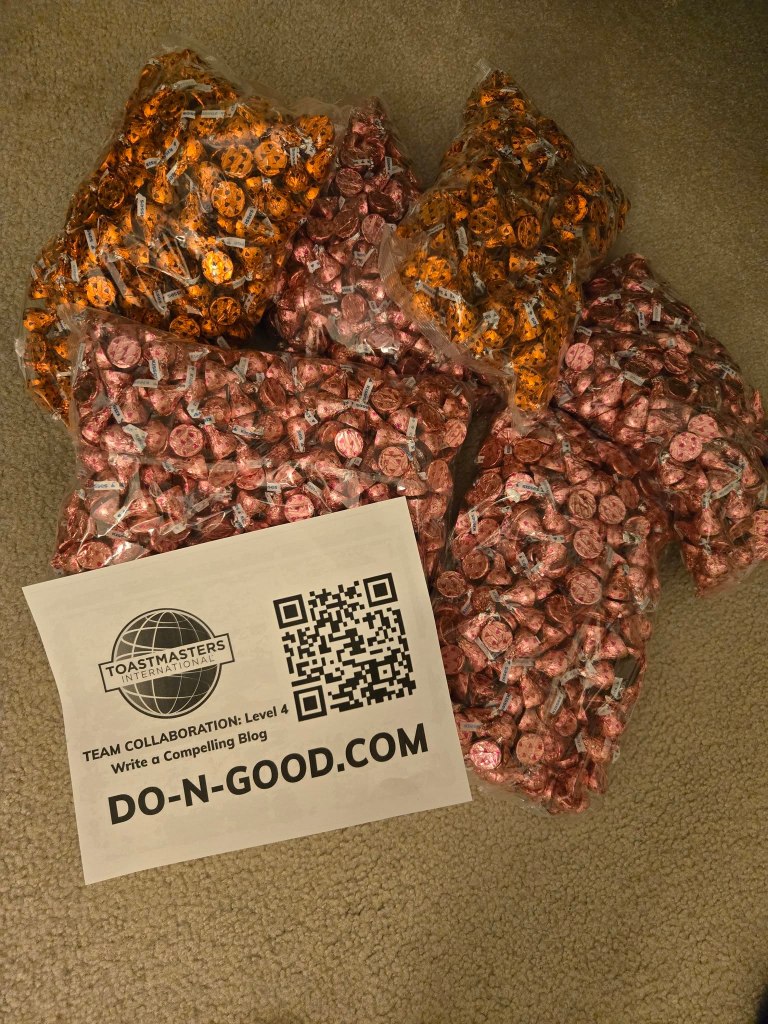
HIGH FIVE! (like my wrapper???)

Psalm 106 is one of Scripture’s most powerful reflections on God’s mercy in the face of repeated human failure, and the search results reinforce that theme clearly.
Below is a full, structured exploration that fits how you love to connect scripture with leadership, stewardship, and spiritual formation.
Psalm 106 is essentially Israel’s national confession—a sweeping retelling of their history that highlights a painful pattern: God saves → the people forget → they rebel → God disciplines → they cry out → God saves again.
It is the mirror opposite of Psalm 105. Psalm 105 says: “Remember His mighty deeds.” Psalm 106 says: “They forgot His mighty deeds.”
This contrast is intentional and deeply instructive.
The psalm opens with: “Give thanks to the LORD, for He is good; His mercy endures forever.”
That line sets the tone: God’s mercy is not fragile. It outlasts human inconsistency.
The psalmist recounts Israel’s failures—at the Red Sea, in the wilderness, with idols, with foreign nations. This is not history for history’s sake; it is repentance through remembering.
The repeated refrain is that Israel “did not remember” God’s works. Forgetfulness leads to rebellion. Memory leads to faithfulness.
Even when Israel was faithless, God acted “for His name’s sake” to save them. His commitment to His people is rooted in His character, not their performance.
The psalmist shifts from national history to personal prayer: “Remember me, O LORD… help me when You save Your people.”
This is a beautiful move: The story of God’s people becomes the story of one person seeking mercy.
Here’s where this psalm hits home for spiritual leadership and daily life:
This is a psalm for anyone who has ever said: “I’ve messed up again… but I still want to come home.”
| Theme | Significance |
|---|---|
| Confession of national sin | Israel acknowledges its repeated failures across generations. |
| Contrast with Psalm 105 | Moves from celebrating God’s deeds to confessing forgetting them. |
| Cycle of rebellion and mercy | Shows God’s consistent rescue despite human inconsistency. |
| God acts for His name’s sake | His faithfulness is rooted in His character, not human merit. |
| Personal plea for inclusion | The psalmist asks to share in God’s salvation and favor. |
Sources:

Psalm 106 is a reminder that leaders remember what others forget. Where the people drift, the leader anchors. Where the people repeat old mistakes, the leader names the pattern and redirects. Where the people despair, the leader points to God’s enduring mercy.
It’s a psalm that says: “You don’t lead because you’re perfect. You lead because you remember.”

LIKE MY WRAPPER???
(yeah… let’s go2 work)
HIGH FIVE! (thanks for reading)

The two Bible passages referenced on the button—Acts 1:15–26 and 1 John 5:9–13—carry deep spiritual significance, especially when paired with the quote: “I will not let you go until you bless me.” Here’s how they connect:
This passage recounts the moment when the apostles, led by Peter, chose Matthias to replace Judas Iscariot. Key themes include:
This mirrors the persistence in the quote—refusing to let go until God’s blessing and purpose are revealed.
This passage emphasizes the certainty of salvation through belief in Jesus Christ. Key themes include:
This aligns with the quote’s spiritual tenacity—clinging to God’s promise until the blessing of life and assurance is received.
Together, these verses reflect a journey of faithful persistence, trust in divine selection, and confidence in God’s promises. Would you like to explore how this connects to the story of Jacob wrestling with God in Genesis 32, where the quote originates? Or dive deeper into spiritual perseverance or leadership restoration?

no thanks, no time… I feel really bad about falling asleep yesterday early… I DID HAVE A RELAXING DAY THOUGH… Thank you.

“I will not let you go until you bless me,” the verses from Acts 1:15–26 and 1 John 5:9–13 offer powerful implications for today’s spiritual leadership, personal perseverance, and faith-filled living:
The quote “I will not let you go until you bless me” becomes a rallying cry for today’s believer:

“Rested. Ready. Relentless.”
HIGH FIVE! (Thank you for your inquisitiveness)

(“For everything there is a season…”)
Ecclesiastes 3:1–15 is one of Scripture’s most poetic and profound reflections on time, purpose, and God’s sovereignty. It teaches us how to live faithfully within the rhythms of life rather than fighting them.
Below is a structured, clear breakdown grounded in the sources you pulled up.
The passage opens with the famous list of contrasts—birth and death, weeping and laughing, mourning and dancing. These aren’t commands; they’re observations about the human condition.
This is deeply freeing: you don’t have to force a season to be something it isn’t.
The Teacher asks, “What gain has the worker from his toil?” (v.9). This isn’t despair—it’s realism.
This is a call to humility and trust.
Verse 11 is the theological center of the passage:
“He has made everything beautiful in its time… yet no one can fathom what God has done from beginning to end.”
This means:
This tension—yearning for eternity while living in time—is part of the human spiritual journey.
The Teacher concludes that the best way to live is to:
This isn’t hedonism; it’s gratitude. It’s learning to say: “This moment is enough because God is in it.”
Verse 14 is the anchor:
“Everything God does will last forever… God does it so that people will fear Him.”
This teaches:
In a world of constant change, God’s constancy is the believer’s stability.
Ecclesiastes 3:15 says:
“Whatever is has already been, and what will be has been before.”
This isn’t fatalism—it’s reassurance.
The cycles of life are not meaningless; they are held in divine hands.
| Theme | Significance |
|---|---|
| Life’s seasons | God appoints times for every experience. |
| Human limitation | We cannot control outcomes or timing. |
| Eternity in our hearts | We long for meaning beyond what we can see. |
| Receiving life as gift | Joy comes from gratitude, not striving. |
| God’s eternal work | His purposes endure; ours are temporary. |
| Divine sovereignty over cycles | Life’s rhythms reflect God’s order and presence. |
Sources:
Given your heart for leadership, stewardship, and spiritual grounding, this passage speaks directly to the way you navigate seasons—family care, financial discipline, creative work, and service.
It reminds you that:

Thanks for this… (LET’S GO2 THE GYM)

YES Kevin! 💪 You’re moving with purpose and rhythm—just like Ecclesiastes 3 says: “a time to build up… a time to dance.” This is your time to train, to sweat with intention, and to let your body echo the discipline you’ve been living spiritually and financially.
Here’s your mantra for today’s workout:
“I move with purpose. I build with strength. I honor this season with sweat and focus.”

THANKS BE TO GOD.

WHO IS THE TEACHER???
HIGH FIVE! (FOCUS)

Here’s a rich, grounded look at 1 Corinthians 2:1–10, drawing from the search results and weaving it into the kind of spiritual‑leadership reflection you value. Citations included.
Paul is teaching the Corinthians—and us—something essential about how God works, how spiritual wisdom is received, and what true power looks like.
Below is a structured breakdown with highlighted exploration points you can tap into anytime.
Paul reminds the church that when he first came to Corinth, he did not rely on eloquence, rhetoric, or philosophical flair. Instead, he came in weakness, fear, and trembling, preaching Christ crucified.
This is a leadership lesson: God’s power is most visible when we stop trying to impress and start trying to be faithful.
Paul says there is wisdom—but it’s not the kind the world celebrates. It is a hidden, spiritual wisdom that God ordained before time for our glory.
This wisdom is not discovered through intellect but revealed.
Paul quotes Scripture to show that God’s plans are beyond human imagination—no eye has seen, no ear has heard, no mind has conceived what God has prepared.
This is a reminder that God’s purposes exceed human categories.
Verse 10 is the climax:
“These things God has revealed to us through the Spirit…”
The Spirit searches the deep things of God and makes them known to believers.
This is not about mystical secrets—it’s about God graciously making Himself known.
This passage speaks directly into the kind of leadership you practice—whether at Hershey’s, Toastmasters, or in your spiritual life:
Paul’s trembling reminds us that God works through honest weakness, not performance.
You don’t need to “keep up” with the world’s standards of cleverness. You need to stay aligned with the Spirit.
The hidden wisdom of God is entrusted to those who love Him.
This is the heart of Paul’s message.
| Theme | Meaning | Application |
|---|---|---|
| Weakness over eloquence | Paul avoids human impressiveness | Lead with authenticity, not performance |
| God’s hidden wisdom | Spiritual truth is revealed, not discovered | Seek God’s voice, not worldly validation |
| Human limits | God’s plans exceed human perception | Trust God beyond what you can see |
| Spirit‑given revelation | The Spirit reveals God’s deep things | Depend on the Spirit for discernment |
If you want, we can go deeper into how this passage shapes your leadership or how it connects to your current season of stewardship and service.

INTERESTING… When are we volunteering at the food bank next?
Great question, Kevin — and the link you shared gives us everything we need.
Here’s the clear answer based on the page you provided:
Wednesday, January 21, 2026 5:00 PM – 7:00 PM Central PA Food Bank 3908 Corey Road, Harrisburg, PA 17109
And here are the key details, each one highlighted so you can explore them further:
This lines up beautifully with your heart for community service, and it’s another chance to live out that steady, boots‑on‑the‑ground leadership you bring to everything — Hershey’s, Toastmasters, church, and Rotary.
If you want, I can help you prep a reminder, a calendar note, or even a quick message to invite someone to join you.
Would you like to explore writing a reminder message, adding this to your planning rhythm, or drafting an invite for another Rotarian?

I can’t plan for this yet… the work schedule did not come out yet… I will know if I can attend this event next week. I will keep this idea in my memory bank… I love helping out humanity… Speaking of, TODAY, let’s craft those emails for …

Perfect timing, Kevin. Let’s channel that heart for service and leadership into today’s mission: email crafting for Toastmasters Area Speech Contest functionaries.
Here’s a quick plan to get us rolling:
Would you like to tailor this for specific clubs, a follow-up reminder, or a more casual tone for newer members? I can help you build a full email set today.

THANKS BE TO GOD.
HIGH FIVE! (Keep Learning, Keep Growing…)

Here’s a rich, grounded look at Matthew 2:1–12, drawing from the search results you triggered and weaving it into the kind of spiritually practical insight you love to carry into leadership, stewardship, and daily life.
(The Visit of the Magi)
Matthew 2:1–12 is far more than a Christmas story. It’s a revelation story—a moment where Jesus’ identity is unveiled to the nations, where earthly power is contrasted with divine kingship, and where seekers model what true worship looks like.
Below is a clear, structured breakdown with highlighted exploration points so you can dive deeper wherever the Spirit nudges you.
Here’s where it intersects beautifully with your heart for stewardship, Toastmasters leadership, and shepherding at Hershey’s:
Herod clings to power; Jesus receives worship. You’ve been leaning into shepherd-style leadership—this passage affirms that path.
The Magi didn’t know everything, but they acted on what they knew. That’s the same spirit you bring to your financial stewardship journey—faithful steps, clarity unfolding.
Their gifts weren’t leftovers; they were treasures. Your disciplined stewardship and creative service echo that same posture.
Dreams, Scripture, signs—God speaks in many ways. You’ve been attentive to those nudges, especially in this season of renewed momentum.
| Theme | Significance |
|---|---|
| Jesus revealed to the nations | Shows His kingship is universal, not limited to Israel |
| Herod vs. Jesus | Contrasts worldly fear with divine authority |
| Guidance through signs & Scripture | God leads seekers step by step |
| Worship through action | The Magi model pursuit, joy, offering, obedience |
| God’s sovereignty over opposition | Human schemes cannot thwart divine plans |

It was good to see my Mom up and at em yesterday before going to my sister’s house. She was in good spirits. She will come back to Pennsylvania stronger. (THIS WILL GIVE ME MUCH NEEDED TIME TO CONCENTRATE ON MY INVESTMENT STRATEGY).

For My Mom, On Her Birthday
Life will test you—
sometimes with a fracture,
sometimes with a moment that tries to steal your peace.
But you rise.
Even in pain, you rise.
You are loved—
deeply, fiercely—
by the son who stands by you,
and the daughter who nurses you back to strength.
This driveway tried to break you,
but it didn’t know your spirit.
It didn’t know the family that surrounds you.
So on your birthday,
we celebrate not just another year—
but your courage,
your fight,
your heart that refuses to quit.
We love you, Mom.
And we’re walking this healing road with you
step by steady step.
THANKS BE TO GOD. (let’s go2 that GYM)