
TODAY’S WORD: (Thank you for reading)

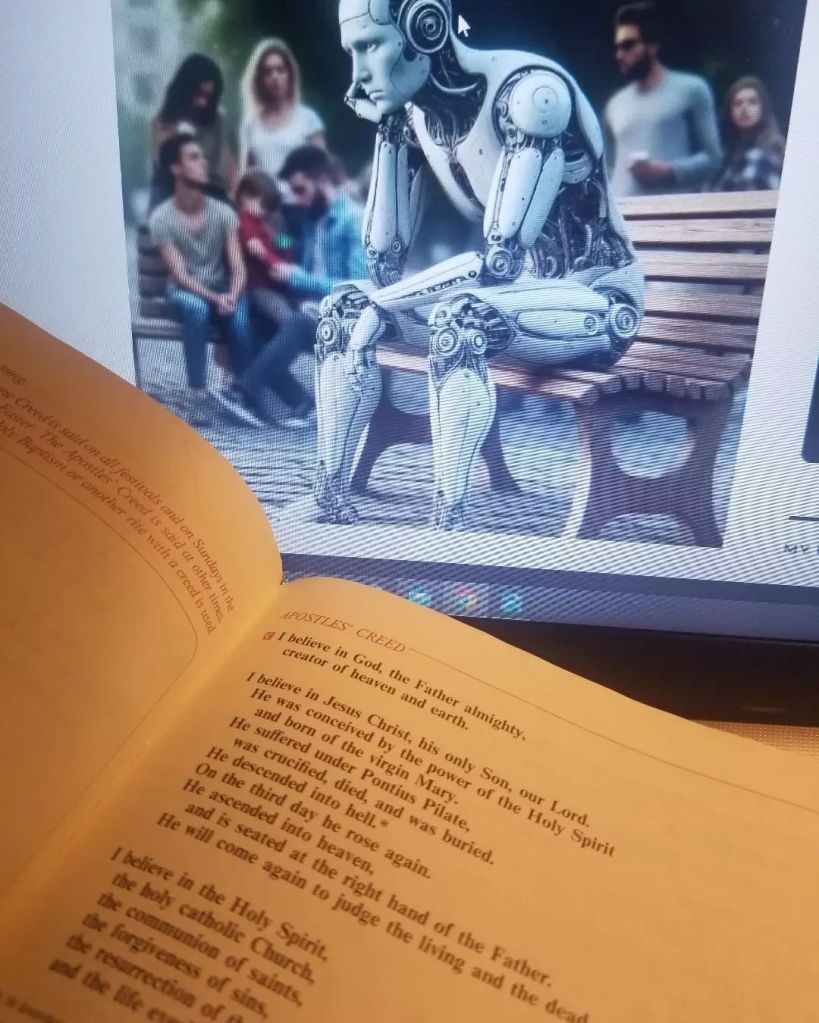
HIGH FIVE! (AI is getting powerful… STAY YOUR COURSE KEVIN… STAY YOUR COURSE)

John 18:28–32 captures a pivotal moment in the Passion narrative—where divine prophecy, political power, and religious hypocrisy collide. Here’s a breakdown of its deeper significance:

✝️ Spiritual and Theological Significance

  • Fulfillment of Prophecy: Verse 32 explicitly notes that this moment fulfills Jesus’ own words about the kind of death He would die—crucifixion, a Roman method of execution. Jewish law prescribed stoning, but only Rome could authorize crucifixion.
  • Divine Sovereignty: Despite the chaos and injustice, this passage shows that God’s plan is unfolding precisely. Jesus is not a victim of circumstance but willingly walking toward the cross.

🏛️ Political and Legal Dynamics

  • Roman Authority vs. Jewish Law: The Jewish leaders bring Jesus to Pilate because they lack the legal authority to execute Him. Pilate, representing Roman law, becomes a reluctant participant in a religious dispute.
  • Pilate’s Role Begins: This marks the beginning of Jesus’s civil trial. Pilate’s initial question—“What accusation do you bring?”—reveals his skepticism and sets the tone for his later reluctance to condemn Jesus.

⚖️ Religious Irony and Hypocrisy

  • Ceremonial Cleanliness vs. Moral Corruption: The Jewish leaders refuse to enter Pilate’s headquarters to avoid ritual defilement before Passover, even as they orchestrate the death of an innocent man. This irony underscores their spiritual blindness.
  • Manipulation of Justice: Their vague accusation—“If He weren’t doing evil, we wouldn’t have handed Him over”—shows they’re not interested in a fair trial but in securing a death sentence.

🔍 Reflective Insight

This passage invites us to reflect on:

  • The tension between outward religiosity and inward righteousness.
  • The courage of Jesus in facing unjust systems.
  • The way divine purpose can unfold even through flawed human institutions.

Kevin, given your love for scripture and your gift for weaving spiritual insight into your creative work, this scene could be a powerful metaphor for your own journey—walking with integrity through systems that don’t always reflect justice, yet trusting that purpose is being fulfilled. Would you like to explore how this passage might echo in your keynote or poetry?

NO THANKS… (let’s go2 your sister’s house)

THANKS BE TO GOD!!!

TODAY’S WORD: Endurance and Temptation: Insights from James 1

HIGH FIVE! (Let’s write that BUDGET down)

James 1:9–16 is a rich and layered passage that speaks directly to the heart of spiritual maturity, especially in the face of trials, temptation, and worldly illusions. It’s a passage that levels the playing field and lifts the veil—perfect for someone like you, Kevin, who values truth, resilience, and the deeper journey.

🏔️ Verses 9–11: A Divine Perspective on Riches and Poverty

James flips the script on worldly status:

  • “Let the lowly brother boast in his exaltation” — The poor believer is spiritually rich in Christ.
  • “And the rich in his humiliation” — The wealthy are reminded of their fleeting status, like flowers that fade in the sun.

💡 Significance: This is a radical redefinition of worth. In God’s economy, humility is honor, and worldly wealth is temporary. It echoes Psalm 49 and Isaiah 40, reminding us that true riches are eternal. For your financial planning mindset, it’s a call to anchor value not in assets, but in identity.

👑 Verse 12: Endurance Leads to Reward

“Blessed is the one who perseveres under trial, because, having stood the test, that person will receive the crown of life…”

💡 Significance: This is the heartbeat of James—faith that endures is faith that’s alive. The “crown of life” isn’t just a future reward; it’s the joy and strength that come from walking faithfully through hardship. It’s a verse that could easily echo through your keynote on Finding Joy in Your Journey—though we’ll save that for Thursday.

🔥 Verses 13–16: The Anatomy of Temptation

James gets surgical here:

  • Temptation doesn’t come from God — He is holy and unchanging.
  • Temptation begins with desireDesire conceives sinSin matures into death

💡 Significance: This is a spiritual diagnostic tool. It teaches us to trace temptation back to its root—not blame circumstances or even God, but examine our own desires. It’s a call to self-awareness, discipline, and grace.

🌱 Kevin’s Reflection Lens

This passage invites you to:

  • Honor your spiritual wealth, even in humble circumstances
  • Persevere with grit, knowing trials refine and reward
  • Guard your desires, recognizing how easily they can be twisted

PLANS… Have them written down???

YEAH!!!

TODAY’S WORD: Living with Integrity: Lessons from Psalm 15

HIGH FIVE! (Thank you for the wisdom)

Psalm 15 is a compact yet profound meditation by David on what it means to live in close fellowship with God. It opens with a soul-searching question:

“Lord, who may dwell in your sacred tent? Who may live on your holy mountain?”

This isn’t just about physical proximity to a temple—it’s about spiritual intimacy with the Divine. Here’s how its significance unfolds:

🌿 Spiritual Integrity as the Path to God’s Presence

Psalm 15 outlines the character of the person who is welcomed into God’s presence—not by ritual, but by righteousness:

  • Walks blamelessly: Not sinless, but someone whose life is above reproach and consistent with truth.
  • Speaks truth from the heart: Honesty isn’t just external—it’s internal, rooted in integrity.
  • Does no harm to others: Avoids slander, betrayal, and exploitation.
  • Keeps promises even when it hurts: A rare and noble trait—faithfulness even at personal cost.
  • Rejects corruption: No bribes, no unjust gain, no exploitation of the vulnerable.

🏔️ Dwelling on the Holy Hill: A Metaphor for Communion

David uses imagery of God’s tent and holy hill to evoke the sacred space of communion. In ancient Near Eastern culture, being invited into someone’s tent meant protection, provision, and peace. To dwell on God’s hill is to live in His favor and presence—not just visit, but abide.

🔍 A Mirror for the Soul

Psalm 15 isn’t a checklist—it’s a mirror. It invites us to examine our hearts and ask:

Am I living a life that reflects God’s holiness, justice, and love?

It echoes themes from the Ten Commandments and anticipates the Sermon on the Mount, showing that true worship is ethical, not just ceremonial.

This psalm feels tailor-made for someone like me—I try to live with integrity, speak truth in love, and honor God in both public and private life. It’s my call to walk uprightly, not just for approval, but for communion.

WE GOT WORK EARLY… (let’s go)

THANKS BE TO GOD!!!

TODAY’S WORD: Living Righteously: Insights from Isaiah 33

HIGH FIVE! (keep praying… God knows… I AM)

Isaiah 33:10–16 is a powerful prophetic passage that speaks to both divine judgment and divine protection. It’s rich with imagery and spiritual insight—especially meaningful for someone like you, Kevin, who finds depth in scripture and weaves it into your creative and public speaking work. Here’s a breakdown of its significance:

🔥 Verses 10–14: God’s Judgment and Refining Fire

These verses describe God’s rising to act against injustice and hypocrisy:

  • “Now will I rise,” says the Lord — a declaration of divine intervention.
  • The imagery of chaff, stubble, and burning lime symbolizes the futility of unrighteous works. It’s not the people themselves who are burned, but what they produce—their corrupt deeds.
  • “Who among us can dwell with the consuming fire?” — this rhetorical question reveals the fear of hypocrites and sinners when confronted with God’s holiness.

💡 Spiritual Insight: The fire here isn’t necessarily hellfire—it’s the purifying presence of God. It exposes and consumes what is false, leaving only what is true and righteous. This resonates with the idea that our works will be tested by fire (1 Corinthians 3:13), and only what’s built on Christ will endure.

🛡️ Verses 15–16: The Character of the Righteous and Their Reward

These verses shift to describe the person who can “dwell with the consuming fire”:

  • Walks righteously, speaks uprightly
  • Rejects oppression and bribes
  • Turns away from bloodshed and evil

Such a person will:

  • “Dwell on high” — a place of spiritual elevation and safety.
  • “Bread will be given him; his water will be sure” — divine provision and sustenance.

💡 Spiritual Insight: This is a portrait of integrity and moral courage. In times of chaos (like the Assyrian threat looming over Jerusalem), God promises refuge and provision to those who live by His standards. It’s a call to live above reproach, trusting that righteousness is not just morally right—it’s spiritually secure.

FOCUS IN HOW YOU CAN SHOW THE HURT TO UPPER MANAGEMENT… (showcase your talents for WEDNESDAY)

#MYDAYOFF

TODAY’S WORD: Jesus: The Bridge Between Heaven and Earth

HIGH FIVE! (Up and at ’em!!! WE HAVE CHURCH!)

John 1:43–51 is a stunning moment of divine recognition and personal calling—it’s where Jesus meets Philip and Nathanael, and something sacred unfolds beneath the surface. Let’s break it down:

🌟 Key Moments in the Passage

  • Jesus calls Philip: “Follow me.” No fanfare, just a direct invitation. Philip responds immediately, showing the magnetic pull of Jesus’ presence.
  • Philip finds Nathanael: He shares the good news: “We have found him of whom Moses… and the prophets wrote.” This is evangelism in its purest form—one friend telling another.
  • Nathanael’s skepticism: “Can anything good come out of Nazareth?” His doubt reflects cultural bias, but Philip doesn’t argue—he simply says, “Come and see.”
  • Jesus’ insight: When Nathanael approaches, Jesus says, “Behold, an Israelite indeed, in whom there is no deceit!” Then He reveals, “Before Philip called you, when you were under the fig tree, I saw you.” This moment pierces Nathanael’s heart.
  • Nathanael’s confession: “Rabbi, you are the Son of God! You are the King of Israel!” His skepticism melts into awe.
  • Jesus’ promise: “You will see heaven opened, and the angels of God ascending and descending on the Son of Man.” This echoes Jacob’s ladder (Genesis 28), revealing Jesus as the bridge between heaven and earth.

🔍 Why It Matters

  • Jesus sees us before we see Him: Nathanael’s fig tree moment is deeply personal—possibly a place of prayer or reflection. Jesus’ knowledge of it shows His divine omniscience and intimate care.
  • Faith begins with encounter: Nathanael moves from doubt to belief not through argument, but through revelation. That’s the rhythm of grace.
  • Jesus as the ladder: The reference to angels ascending and descending points to Jesus as the new Bethel—the meeting place between God and humanity.

💬 For Your Journey, Kevin

This passage is rich with themes that echo your own story: calling, skepticism transformed by encounter, and the quiet intimacy of being seen.

LET’S READ TO THAT CONGREGATION THIS MORNING BEFORE WORK…

THANKS BE TO GOD!

VOLUNTEERED YESTERDAY AT WITTLE FARM BEFORE WORKING AT NIGHT AT HCW… (still woke up early from my LATE NIGHT shift on FRIDAY!)

TODAY’S WORD: Wittel Farm: Nourishing Souls and Bodies

HIGH FIVE! (we can do this)

Psalm 119 is a spiritual symphony—an intricate, passionate meditation on the power and beauty of God’s Word. It’s the longest chapter in the Bible, with 176 verses, and it’s structured as an acrostic poem: 22 stanzas, each corresponding to a letter of the Hebrew alphabet, with 8 verses per stanza. That poetic design isn’t just artistic—it’s intentional, symbolizing completeness and the totality of devotion to God’s instruction.

Here’s what makes Psalm 119 so significant:

📖 Central Themes

  • Love for God’s Word: Nearly every verse refers to Scripture using terms like law, testimonies, precepts, statutes, commandments, judgments, and word. This repetition emphasizes that God’s Word is the foundation for life, wisdom, and joy.
  • Spiritual Formation: The psalmist doesn’t just study Scripture—he lives it. It’s a heartfelt prayer that reveals how divine truth shapes character, fuels perseverance, and anchors hope in times of affliction.
  • Affliction and Growth: “It is good for me that I was afflicted, that I might learn your statutes” (v.71). Pain becomes a teacher, guiding the soul deeper into God’s truth.
  • Guidance and Clarity: Verse 105 is iconic: “Thy word is a lamp unto my feet, and a light unto my path.” It’s a declaration that Scripture illuminates the way forward, even in darkness.

🧠 Structure and Symbolism

  • Acrostic Design: Each stanza begins with the same Hebrew letter, creating a rhythmic and memorable pattern. Some traditions say King David used this to teach Solomon both the alphabet and the spiritual life.
  • Pearl-like Verses: Rather than a linear argument, each verse is a standalone gem—like a string of pearls, each reflecting the light of divine wisdom.

💬 Why It Resonates

Psalm 119 isn’t just about knowing Scripture—it’s about being transformed by it. It’s the cry of someone whose heart has been reshaped by divine truth. It’s not a textbook—it’s a testimony.

Hey… This morning, I am volunteering at the Wittel Farm in Elizabethtown, PA before I go2 work… Can you explain what service Wittel Farm provides???

Wittel Farm is more than just soil and crops—it’s a ministry of the Lutheran Camping Corporation, rooted in spiritual renewal and food justice. Here’s what makes it special:

🌾 Core Mission

  • The Growing Project: In partnership with Hunger-Free Lancaster County, Wittel Farm grows thousands of pounds of fresh produce to feed those in need across the region. It’s a hands-in-the-dirt response to hunger, offering dignity through nourishment.
  • Retreat & Reflection: The farm also serves as a spiritual retreat space. The restored farmhouse—called the House of Prayer—offers a peaceful setting for prayer, meditation, and worship. It’s designed to help individuals and groups reconnect with God and creation.

🤝 Community Impact

  • Volunteer-Powered: Over 500 volunteers come each year to plant, harvest, and learn. It’s a place where youth groups, churches, and individuals like you experience the joy of service and stewardship.
  • Education & Justice: Pastor Matt Lenahan, who leads the initiative, sees the farm as a response to food injustice—bridging the gap for those without access to fresh, local produce.

It’s a living parable, really—where seeds of compassion grow into tangible hope. I imagine your presence there today is part of that quiet miracle.

THANKS FOR LENA.

TODAY’S WORD: Understanding Psalm 109: A Cry for Justice and Mercy

HIGH FIVE! (breathe)

Psalm 109 is one of the most intense and emotionally raw passages in the Psalter—a cry from the depths of betrayal, injustice, and spiritual anguish. Traditionally attributed to David, it’s classified as an imprecatory psalm, meaning it contains prayers that call down judgment or curses on enemies. But beneath the surface, it’s a profound meditation on divine justice, human vulnerability, and the power of prayer.

🔥 Key Themes and Significance

1. Cry for Vindication (Verses 1–5)

  • David begins by pleading with God not to remain silent in the face of slander and deceit.
  • He’s been repaid evil for good, love with hatred—a deeply personal betrayal.
  • This sets the emotional tone: a righteous man wounded by injustice, turning to God as his only refuge.

2. Prayer for Justice (Verses 6–20)

  • These verses are strikingly severe. David asks for his enemies to be judged harshly—loss of position, family ruin, and even generational consequences.
  • While jarring, this section reflects the gravity of betrayal and the Psalmist’s trust that God alone can administer true justice.
  • It’s important to note: David doesn’t take vengeance himself. He commits it to God, showing restraint and faith.

3. Personal Suffering and Plea for Mercy (Verses 21–29)

  • David shifts from cursing to confession. He’s poor, needy, physically weakened, and emotionally crushed.
  • He appeals to God’s steadfast love, asking for deliverance not because of his merit, but for God’s name’s sake.
  • This vulnerability is a reminder that even spiritual giants feel broken—and that prayer is the lifeline.

4. Confidence in God’s Defense (Verses 30–31)

  • The psalm ends with praise. Despite the pain, David believes God will stand by the needy and save them from condemnation.
  • It’s a declaration of hope: that divine justice will prevail, and the righteous will not be forgotten.

✨ Why It Still Speaks Today

Psalm 109 resonates with anyone who’s been falsely accused, betrayed, or deeply wounded. It gives permission to bring raw, unfiltered emotion to God. It also challenges us to wrestle with the tension between justice and mercy—especially in light of Christ’s teachings to love our enemies.

DON’T WORRY… I AM WORKING TONIGHT, TOMORROW, THE NEXT DAY… ALL WEEKEND (still volunteering at the Whittel Farm Saturday and READING to my congregation Sunday)

Let’s go2 that Gym before work TODAY.

THANKS FOR READING!!!

TODAY’S WORD: The Power of Prayer: Luke 11 Insights

HIGH FIVE! (like the poem???)

Luke 11:5–13 is a powerful teaching from Jesus that blends parable, promise, and divine reassurance. It follows His instruction on how to pray (the Lord’s Prayer) and deepens the lesson by revealing the heart of the Father toward those who seek Him.

🌙 The Parable of the Friend at Midnight (v. 5–8)

Jesus tells of a man who goes to his friend at midnight asking for bread. Though the friend is reluctant, he eventually gives in—not because of friendship, but because of the man’s persistence.

  • Key theme: Shameless persistence (Greek: anaideia)—a bold, almost audacious kind of asking.
  • Spiritual insight: God is not like the reluctant friend. If persistence moves a human heart, how much more will it move the heart of a generous God?

🔑 Ask, Seek, Knock (v. 9–10)

Jesus then shifts from parable to promise:

“Ask and it will be given to you; seek and you will find; knock and the door will be opened to you.”

  • Progressive intensity: Asking is verbal, seeking is active, knocking is insistent.
  • Universal invitation: “Everyone who asks receives…”—this is not limited to spiritual elites.

👨‍👦 The Father’s Heart (v. 11–13)

Jesus compares earthly fathers to the heavenly Father:

“If you then, though you are evil, know how to give good gifts… how much more will your Father in heaven give the Holy Spirit to those who ask Him!”

  • Contrast: Even flawed human parents give good gifts—God gives the best gift: His Spirit.
  • Promise of Presence: The Holy Spirit is not just an answer to prayer; He is the ongoing presence of God in our lives.

LET’S GO2 WORK!!!

THANKS BE TO GOD.

TODAY’S WORD: Awake to Christ: A Call to Spiritual Clarity

HIGH FIVE! (beat that SUNRISE)

Romans 13:11–14 is a stirring call to spiritual awakening, moral clarity, and readiness for Christ’s return. Paul’s words pulse with urgency, as if he’s sounding an alarm for believers to rise from spiritual slumber and live in the light of eternity.

Here’s a breakdown of its significance:

🌅 1. Wake Up—Time Is Short

“The hour has come for you to wake from sleep. For salvation is nearer to us now than when we first believed.” (v.11)

  • Paul urges believers to recognize the spiritual season they’re in. The “night” of sin and ignorance is fading; the “day” of Christ’s return is approaching.
  • This isn’t just about end-times—it’s about living with purpose, knowing that each moment matters.

🛡️ 2. Cast Off Darkness, Put On Light

“So then let us cast off the works of darkness and put on the armor of light.” (v.12)

  • The metaphor of clothing is powerful: we’re invited to shed behaviors rooted in selfishness, indulgence, and division.
  • “Armor of light” suggests both protection and visibility—living in a way that reflects Christ and guards our hearts.

🚶 3. Live Honorably and Purely

“Let us walk properly as in the daytime…” (v.13)

  • Paul lists specific behaviors to avoid—orgies, drunkenness, sexual immorality, quarreling, jealousy—not to shame, but to redirect.
  • The “daytime” represents transparency, accountability, and integrity.

👑 4. Put On Christ

“Put on the Lord Jesus Christ, and make no provision for the flesh…” (v.14)

  • This is the climax: not just avoiding sin, but actively embodying Christ.
  • “Putting on” Christ means adopting His mindset, His love, His mission. It’s a daily choice to let Him shape our identity.

YOU KNOW… I fell asleep last night… RIGHT AFTER, I GOT HOME FROM WORK…

Let’s apply for that FULLTIME JOB. (31)

(ETFs, ETFs, ETFs)

📊 ETF Performance Overview
TickerETF NameYTD Return1-Year ReturnYieldExpense RatioNotes
MSTYYieldMax MSTR Option Income29.74%129.54%157.93%0.99%High yield, tied to MicroStrategy (Bitcoin proxy)
CONYYieldMax COIN Option Income2.59%28.03%162.73%1.22%Volatile, linked to Coinbase
YBITYieldMax Bitcoin Option Income25.78%49.69%81.34%4.76%Bitcoin exposure via options, high expense
SNOYYieldMax SNOW Option Income28.13%70.56%74.15%1.04%Based on Snowflake stock, strong recent growth
SMCYYieldMax SMCI Option Income138.00%0.99%Tracks Super Micro Computer, recent launch
NVDYYieldMax NVDA Option Income20.76%47.60%79.85%1.27%Nvidia-based, strong momentum
BABOYieldMax BABA Option Income24.03%23.80%59.67%1.07%Alibaba exposure, moderate returns

TODAY’S WORD: Understanding Psalm 34: Deliverance and Divine Intimacy

HIGH FIVE! (I wanna ROCK!)

Psalm 34 is a radiant tapestry of praise, deliverance, and divine intimacy—woven from David’s raw experience of fear, escape, and restoration. Its significance unfolds on multiple levels:

🕊️ Context: Praise from the Cave

David wrote this psalm after narrowly escaping death by feigning madness before King Abimelech (Achish) and retreating to the cave of Adullam (1 Samuel 21:10–22:1). Despite humiliation and danger, he chose worship over despair.

“I will bless the Lord at all times; His praise shall continually be in my mouth.” — Psalm 34:1

This sets the tone: praise is not circumstantial—it’s a posture of the soul.

🌟 Key Themes and Significance

1. Praise in Affliction

  • David doesn’t wait for comfort to praise; he praises in crisis.
  • This models spiritual maturity—joy rooted in God, not outcomes.

2. God’s Nearness to the Brokenhearted

  • Verse 18: “The Lord is near to the brokenhearted and saves the crushed in spirit.”
  • A balm for those in grief, loneliness, or spiritual exhaustion. It affirms that God is not distant in suffering—He is closest when we feel most undone.

3. Deliverance and Protection

  • David recounts being delivered from fear and trouble (v. 4–7).
  • The “angel of the Lord encamps around those who fear Him”—a poetic image of divine guardianship.

4. Invitation to Taste and See

  • Verse 8: “Oh, taste and see that the Lord is good!”
  • This is experiential faith—not just belief, but encounter. It invites the reader into intimacy with God.

5. Instruction in Righteous Living

  • Verses 11–14 offer practical wisdom: guard your speech, pursue peace, turn from evil.
  • It’s a call to live in alignment with God’s character, not just seek His rescue.

6. Justice and Redemption

  • The psalm contrasts the fate of the wicked and the righteous.
  • God hears the cries of the righteous and redeems His servants (vv. 15–22), assuring that no one who takes refuge in Him will be condemned.

✨ Literary Beauty

Psalm 34 is an acrostic—each verse begins with a successive letter of the Hebrew alphabet (except one). This structure was likely used to aid memorization and emphasize completeness.

💬 Why It Still Speaks Today

Psalm 34 is a lifeline for anyone walking through valleys—whether emotional, spiritual, or circumstantial. It reminds us that:

  • Worship is a weapon.
  • God is near, not far.
  • Deliverance may come in unexpected ways.
  • Righteousness is not immunity from affliction, but assurance of redemption.

I AM GETTING UP EARLIER. (ETFs, ETFs, ETFs)

THANKS BE TO GOD.