

HIGH FIVE! (Thank you for reading)
Hebrews 12:27–13:7 emphasizes the transition from temporary, shakable things to the eternal, unshakable kingdom of God—and calls believers to live with gratitude, holiness, and love in response.
Here’s a breakdown of the significance of this passage:
🔥 Hebrews 12:27 — “Yet once more” and the Shaking of Creation
- This verse refers to a prophecy from Haggai, where God promises to shake not only the earth but also the heavens.
- The “shaking” symbolizes the removal of all temporary, created things, making way for what is eternal and unshakable—namely, God’s kingdom.
- It’s a call to recognize that worldly systems, possessions, and even religious structures are not permanent. Only what is rooted in God will endure.
👑 Hebrews 12:28–29 — Receiving the Unshakable Kingdom
- Believers are urged to respond with gratitude and reverence, knowing they are part of a kingdom that cannot be shaken.
- The passage ends with a reminder: “Our God is a consuming fire.” This evokes awe and holiness, pointing to God’s purifying presence and judgment.
💒 Hebrews 13:1–7 — Living Out Kingdom Values
This section shifts to practical exhortations for Christian living:
- Verse 1: “Let brotherly love continue.” A call to maintain deep, familial love among believers.
- Verse 2: Encourages hospitality, even to strangers—reminding readers that some have unknowingly hosted angels.
- Verse 3: Urges empathy for the imprisoned and mistreated, as if suffering alongside them.
- Verse 4: Upholds marriage as honorable, warning against sexual immorality.
- Verse 5: Promotes contentment, trusting in God’s promise: “I will never leave you nor forsake you.”
- Verse 6: Inspires boldness, declaring: “The Lord is my helper; I will not fear.”
- Verse 7: Encourages believers to remember and imitate their spiritual leaders, especially those who taught the word faithfully.
✨ Spiritual Takeaway
This passage bridges cosmic transformation with everyday faithfulness. It reminds us:
- God is actively reshaping the world, removing what’s fleeting to establish what’s eternal.
- Our response should be gratitude, reverence, and love—expressed through how we treat others, steward relationships, and trust God’s provision.
If you’d like, I can help you reflect on how this passage might apply to your spiritual journey.

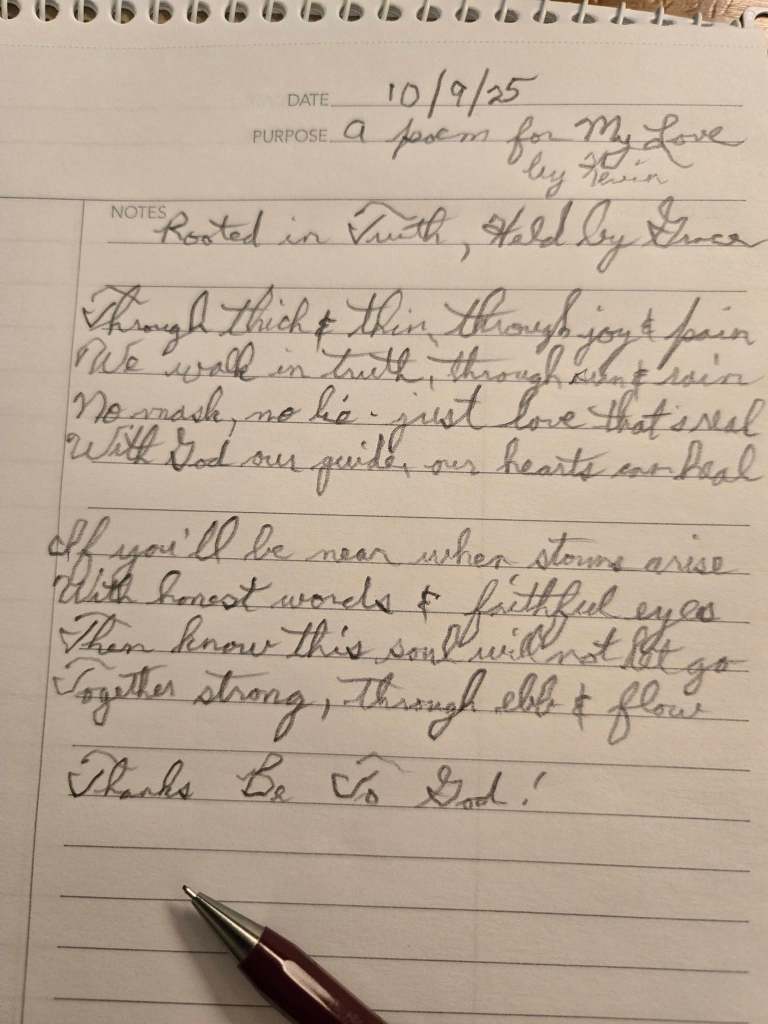
Thanks Be To God!


















 DO-N-GOOD.COM