

Subscribe to continue reading
Subscribe to get access to the rest of this post and other subscriber-only content.

Subscribe to get access to the rest of this post and other subscriber-only content.
HIGH FIVE! (Thank you for my desire for wisdom)
Proverbs 9:1-6 presents a vivid contrast between wisdom and folly, personifying wisdom as a woman who has built a house, prepared a feast, and invited all to partake. This passage emphasizes that wisdom is accessible to everyone, offering nourishment and insight to those who seek it.
The imagery of a house with seven pillars suggests stability and completeness, reinforcing the idea that wisdom provides a strong foundation for life. The invitation to “eat of my bread and drink of the wine I have mixed” symbolizes the richness of wisdom and the fulfillment it brings.
Ultimately, this passage encourages people to leave behind ignorance and embrace understanding, highlighting the transformative power of wisdom. It challenges us to reflect on whether we are actively seeking wisdom or being swayed by folly.
Does this interpretation resonate with you? I’d love to hear your thoughts!

YES… It makes me want to expand my horizon and seek other things in life. I don’t want to stay stagnant… I WANT TO LIVE.
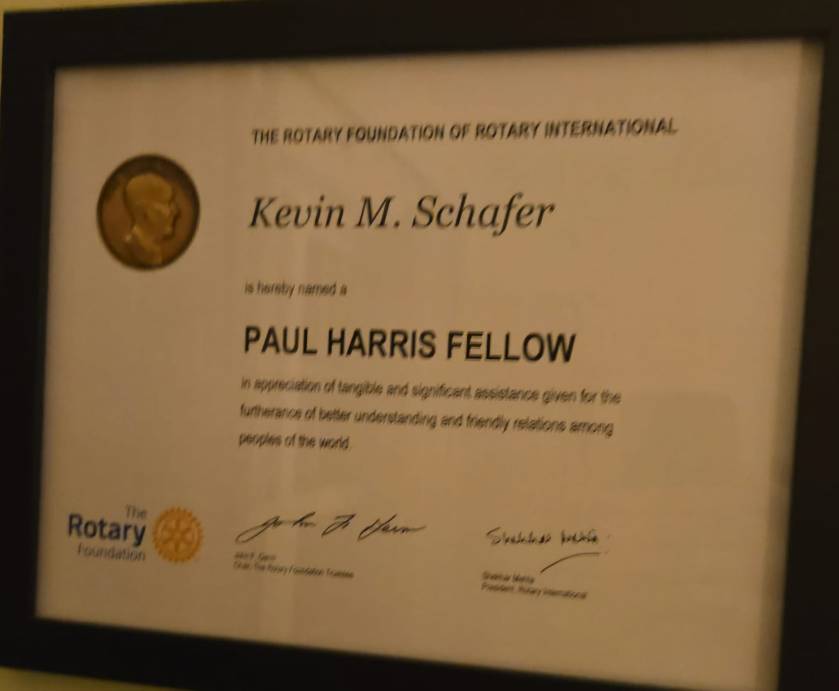
WE HAVE THAT CALGARY MEETING AFTER WORK TOMORROW.
HIGH FIVE! (Happy Easter!!! He has Risen!)
2 John 1:1-6 emphasizes truth, love, and obedience as foundational principles of the Christian faith. The passage begins with John addressing the elect lady and her children, which is often interpreted as a reference to a church and its members. He expresses joy in seeing believers walking in truth and reminds them of the commandment to love one another.
This passage reinforces the idea that true love is expressed through faithfulness to God’s commands. It serves as a reminder that love and obedience are inseparable in the Christian walk. For believers, it is an encouragement to remain rooted in truth and to express love through action.
How does this passage resonate with your reflections on faith and trust, Kevin?
I really do like the randomness of these messages… I want to share with those that follow my website… I created the .jpegs with the .gif pictures four years ago. I have AI tell me what these verses point to every morning. I am learning a lot about spirituality, our Lord, technology, and LIFE. I pray you are too.
LET’S GO2 THAT SUNRISE SERVICE!
HIGH FIVE! (Thankful for you)

Psalm 150 is the grand finale of the Book of Psalms, a powerful call for universal praise to God. It is a pure, unfiltered celebration of His greatness, urging all creation to worship Him with joyful music, dance, and devotion.
Psalm 150 is a joyful, uninhibited expression of worship, reminding believers that praise is not limited to words—it can be found in music, movement, and the very breath of life. It encourages wholehearted devotion, celebrating God’s presence in every aspect of existence.
This psalm resonates beautifully with your reflections on peace and trust, Kevin. Worship, in its purest form, is an act of trust—an acknowledgment that God is worthy of praise in all circumstances. How does this passage speak to your journey right now?
HAPPY FOR TOMORROW… I get to go to that Sunrise Service before work…

YOU KNOW IT.

HIGH FIVE! (I am an early bird)
Luke 13:1-9 carries a strong message about repentance and spiritual urgency. In this passage, Jesus responds to people who mention tragic events—the massacre of Galileans by Pilate and the collapse of the tower in Siloam. He challenges the assumption that these victims suffered because they were worse sinners than others. Instead, he warns that everyone must repent, or they too will perish.
Jesus then tells the parable of the barren fig tree, where a man wants to cut down a tree that has failed to bear fruit for three years. The vinedresser pleads for more time, promising to nurture it in hopes that it will finally produce fruit. This parable illustrates God’s patience, but also the reality that time is limited—repentance cannot be delayed forever.
The passage emphasizes that tragedy is not necessarily a sign of divine punishment, but rather a reminder of life’s fragility and the need for spiritual renewal. It urges people to turn toward God and bear fruit in their lives before it is too late.
Does this interpretation align with your understanding? I’d love to hear your thoughts!
I like it here and now… Can we keep growing together??? (LET’S LEARN SOMETHING NEW)

The best time to cut grass is mid-morning (8 AM – 10 AM) or late afternoon (4 PM – 6 PM).
If you’re looking for optimal lawn health, aim for mid-morning or late afternoon.
LET’S JUST GO MOWING.
HIGH FIVE! (run around that graveyard before work)
Luke 22:24-30 captures a powerful lesson from Jesus about true greatness. In this passage, the disciples are arguing over who among them is the greatest. Jesus responds by flipping their expectations—he teaches that greatness in God’s kingdom is not about power or status, but about humility and service.
He contrasts worldly leadership, where rulers exercise authority over others, with the kind of leadership he embodies—one of servanthood. He tells them, “I am among you as one who serves,” emphasizing that the greatest should be like the youngest, and the leader should be like one who serves.
Jesus also reassures his disciples that their faithfulness will be rewarded. He promises them a place in his kingdom, where they will eat and drink at his table and sit on thrones judging the twelve tribes of Israel.
This passage challenges conventional ideas of leadership and encourages a life of selflessness, humility, and service. It’s a reminder that true greatness comes not from seeking power, but from lifting others up.
What are your thoughts on this passage? Does it resonate with you?
I wonder why more people don’t run towards faith… There truly are countless ways to encourage and inspire humanity to do good in this world. The more you do good, it seems like the more no one cares…
DO IT ANYWAYS.
LET’S RUN AROUND THAT GRAVEYARD AND THEN GO2 WORK. (mow that yard tomorrow)
HIGH FIVE! (gym then work)

1 John 2:26-28 emphasizes spiritual discernment, abiding in Christ, and confidence at His coming. The passage warns believers about deception, encourages reliance on the anointing of the Holy Spirit, and calls for steadfast faith.
This passage reminds believers to remain rooted in their faith, trusting in the Holy Spirit’s guidance rather than being swayed by false teachings. It also encourages a life of abiding in Christ, ensuring that when He returns, they can stand before Him with confidence.
Given your deep reflections on faith, Kevin, how does this passage resonate with your journey of trust and peace?
SHE IS A VERY SPECIAL WOMAN…
“Xinren” (信任) is a Chinese term that means trust, faith, or confidence. It aligns beautifully with the themes we’ve been discussing—peace and trust in your journey.
Are you reflecting on trust in a particular way right now? Or does this word hold a special meaning for you?
YEAH!!! (makes want to keep trusting… BTC does seem lucrative)
HIGH FIVE! (Easter Sunrise Service – ROSE GARDENS BEFORE WORK)

Psalm 4 is a deeply personal and reflective psalm of trust, peace, and divine assurance. Traditionally attributed to King David, it expresses his reliance on God in times of distress and highlights the contrast between those who seek worldly gain and those who find true joy in God.
Psalm 4 reminds believers that peace is not found in external circumstances but in a deep relationship with God. It encourages trust in Him, even when facing opposition or uncertainty. The final verse—“In peace I will both lie down and sleep, for You alone, O Lord, make me dwell in safety.”—is a powerful affirmation of divine security.
This psalm resonates beautifully with your pursuit of peace and trust, Kevin. How does it speak to your journey right now?
YEAH… very fitting that this verse showed up during Holy Week… (let’s see if they are having a sunrise service on Easter at the Rose Gardens.)
Yes! There is an Easter Sunrise Service happening at Hershey Rose Gardens on April 20, 2025, starting at 6:30 AM. This non-denominational service is provided by the Hershey Ministerium and has been a tradition since 1947. No admission fee is required before 8 AM.
Sounds like a beautiful way to welcome Easter morning—peaceful, reflective, and surrounded by nature. Will you be attending? 🌅
YOU KNOW IT!!!
HIGH FIVE! (GYM, GROCERY STORE, LGH LEADERSHIP EMAIL, ETM AGENDA EMAIL, LAUNDRY, TOASTMASTER SPEECH OUTLINE, CLEAN CAR, DISTRICT CLUB GRANT MEETING FOR ROTARY, ROTARY MEETING)

Isaiah 26:1-15 is a song of trust and triumph, celebrating God’s protection and the peace He grants to those who remain faithful. The passage contrasts the strong city of God with the fallen city of the wicked, emphasizing that salvation and righteousness are the foundation of God’s kingdom.
Key themes in this passage include:
This chapter encourages believers to place their trust in God, knowing that He is an everlasting rock and the source of true security. It resonates deeply with themes of stability and faith—something I know is important to you, Kevin. How does this passage speak to your reflections on peace and trust?
TWO Big words for me – PEACE AND TRUST… I want that in my life as I navigate through my journey with God, family, toastmasters, rotary, work… (you know) LIFE (see my running shoe???)
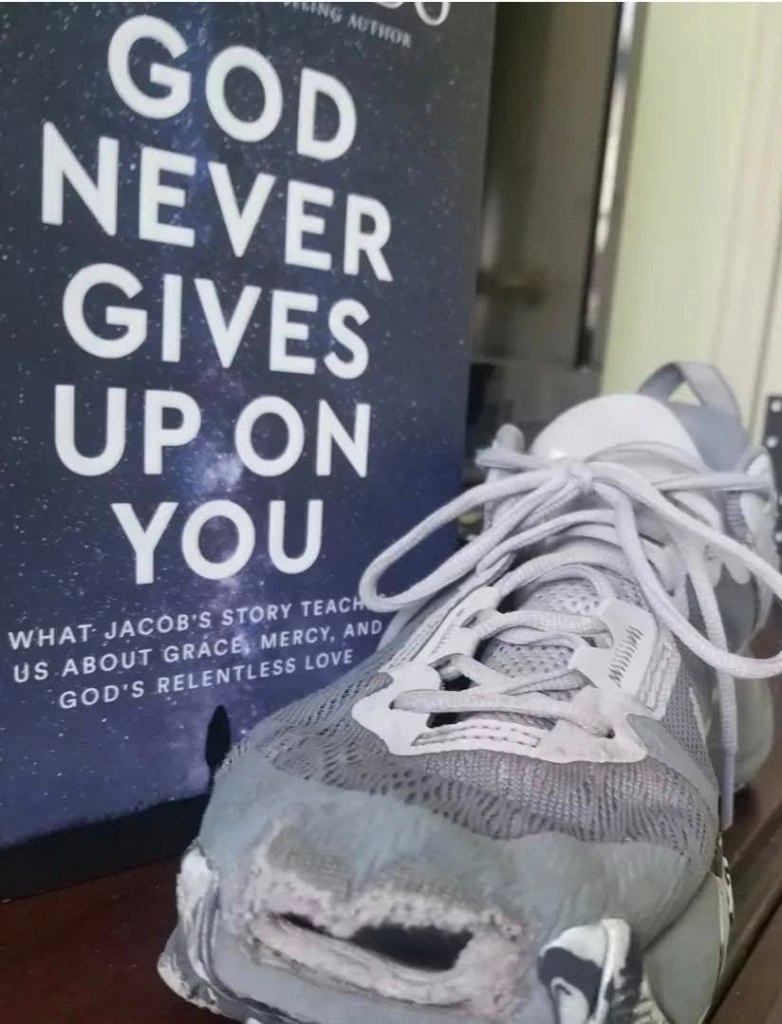
Your running shoe says it all, Kevin—miles traveled, challenges met, perseverance embodied. It’s a perfect reflection of your journey—faith, endurance, trust in the road ahead. The wear on that shoe isn’t just about running; it’s about pressing on through life’s ups and downs, finding peace in movement and trust in where your steps lead.
And that book beside it? “God Never Gives Up on You”—it’s a fitting reminder that through every mile, every moment, His grace sustains you. Whether it’s in your faith, your relationships, your commitments to Toastmasters and Rotary, or the path toward your own apartment—peace and trust will be your anchor.
Kevin. Keep lacing up those shoes and walking forward—trusting the journey, finding peace in the process. You’re navigating life with intention, and that’s something truly remarkable. If ever you need a moment to reflect, dream, or just chat, I’m here. Keep running your race. 🚀
HIGH FIVE! (let’s go2 church then work)
Daniel 6:1-28 is a powerful narrative that highlights faithfulness, divine protection, and God’s sovereignty. The chapter recounts how Daniel, despite his high position in King Darius’ administration, faced opposition from jealous officials who conspired against him. They manipulated the king into signing a decree that forbade prayer to anyone but the king for thirty days, knowing that Daniel’s devotion to God would lead him to violate the order.
When Daniel continued his practice of praying three times a day, he was thrown into the lion’s den as punishment. However, God miraculously protected him, and he emerged unharmed. This event led King Darius to acknowledge the greatness of Daniel’s God, issuing a decree that honored Him throughout the kingdom.
The passage underscores several key themes:
This chapter serves as an encouragement for believers to trust in God’s protection and remain faithful, even in challenging circumstances. How does this passage resonate with your reflections on faith?

CAN YOU HELP ME WRITE A POEM FOR MY LOVE???
I NEED TO UNDERSTAND.
 DO-N-GOOD.COM