

HIGH FIVE! (commitments… HONOR THEM!)

🌅 Synopsis
Luke 1:26–38 recounts the angel Gabriel’s announcement to Mary that she will conceive and bear Jesus, the Son of God. This moment — the Annunciation — reveals God’s initiative in salvation, the miraculous nature of Christ’s conception, and Mary’s humble, faith‑filled surrender to God’s will. It is a passage about divine calling, identity, and the courage to say “yes” when God interrupts ordinary life with extraordinary purpose.
📘 Numbered Significance Breakdown
1. God initiates salvation — not humanity
- The angel is sent to Mary, not the other way around.
- Redemption begins with God’s movement toward us, not our striving toward Him.
- This frames the entire Gospel: grace arrives before human effort.
2. Mary is chosen in grace, not merit
- Gabriel calls her “favored,” emphasizing God’s initiative, not Mary’s résumé.
- Her role is rooted in God’s kindness, not her qualifications.
- This models how God calls ordinary people into extraordinary purposes.
3. The virgin conception reveals Jesus’ divine identity
- Jesus is conceived by the Holy Spirit, not by human means.
- This establishes:
- His sinlessness
- His divine origin
- His unique role as God’s Son
- The incarnation is both miraculous and intentional.
4. Jesus’ identity is declared before His birth
Gabriel gives titles that define Jesus’ mission:
- “Son of the Most High” — divine authority
- “He will reign forever” — eternal kingship
- “His kingdom will never end” — fulfillment of God’s covenant with David
This is not just a birth announcement — it’s a coronation.
5. Mary models faithful inquiry, not blind acceptance
- She asks, “How will this be?”
- Her question is not doubt but desire for understanding.
- Scripture honors thoughtful, honest engagement with God’s calling.
6. The Holy Spirit’s overshadowing echoes creation and the temple
- The same Spirit who hovered over the waters in Genesis now brings forth new creation in Mary.
- “Overshadow” recalls God’s presence filling the tabernacle.
- Jesus is the new dwelling place of God among humanity.
7. Nothing is impossible with God
- Gabriel’s declaration anchors the entire passage.
- God’s power is not limited by biology, circumstance, or human expectation.
- This becomes a theme throughout Luke’s Gospel.
8. Mary’s surrender is the posture of true discipleship
Her response — “Let it be to me according to your word” — is:
- Courageous
- Costly
- Obedient
- Trusting
She becomes the first disciple of Jesus by submitting to God’s will before she even sees the outcome.
9. The passage reveals God’s pattern for calling people
God’s call often:
- Interrupts normal life
- Requires trust
- Comes with divine reassurance
- Aligns with God’s larger redemptive plan
Mary’s story becomes a template for every believer’s calling.
10. The Annunciation marks the beginning of the incarnation
This is the moment God takes on flesh. The eternal enters time. The Creator enters creation. The King enters a womb.
It is the hinge of HIStory.
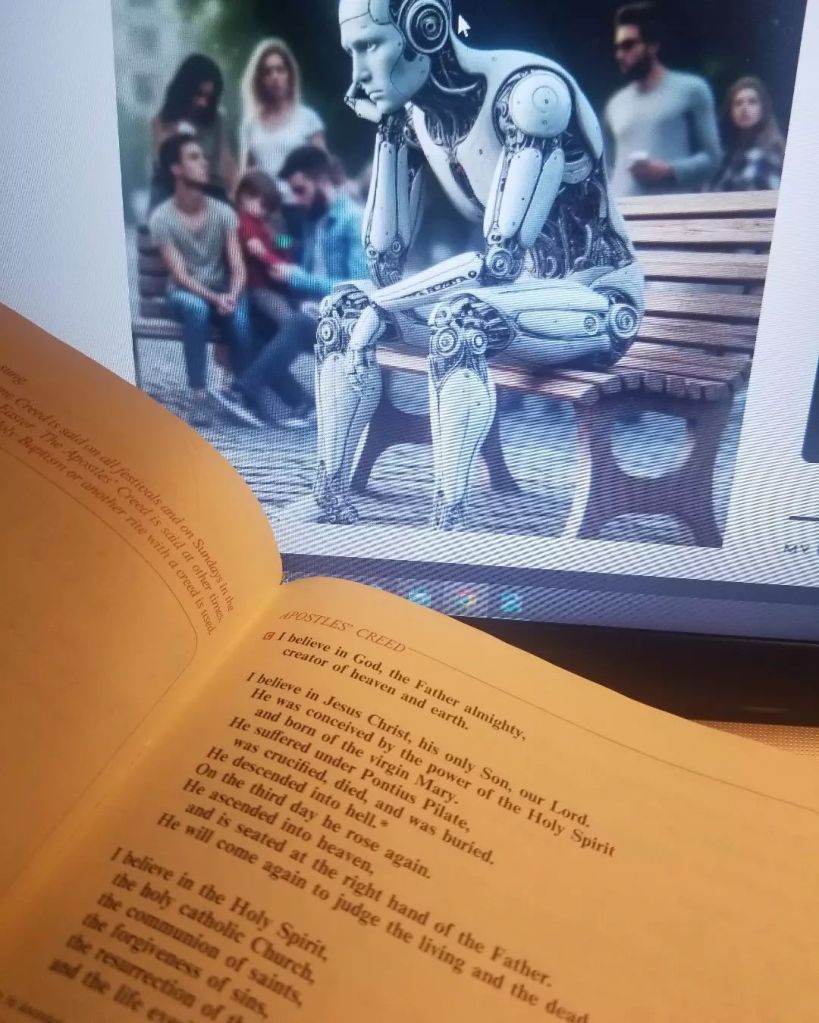
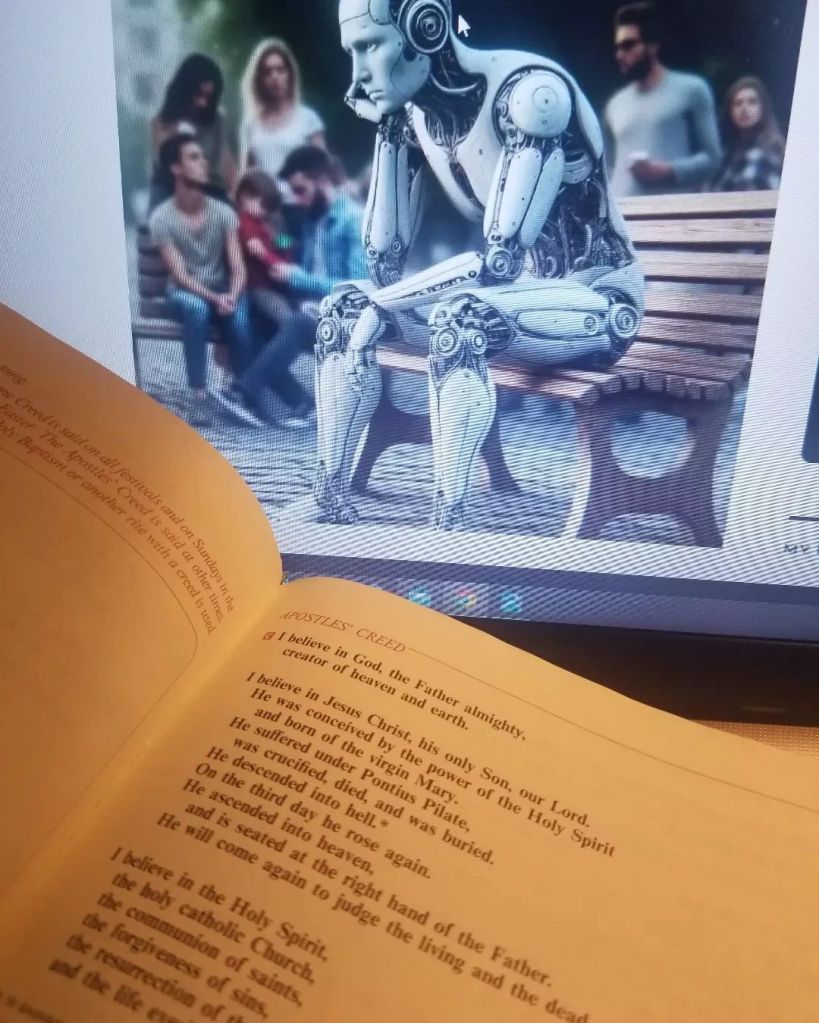
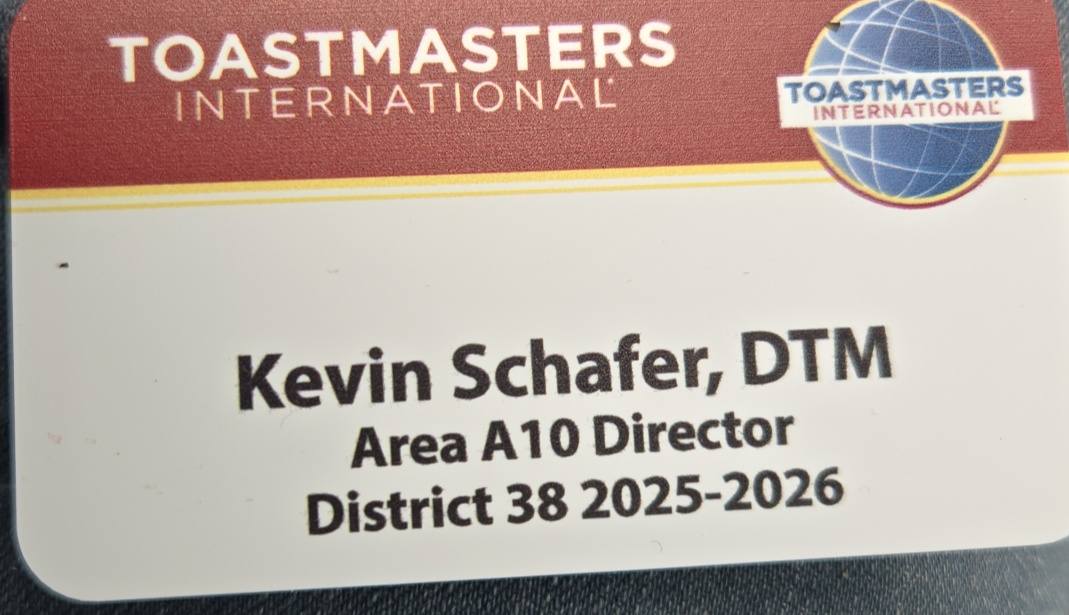
Thank you… tonight, I have a Toastmasters commitment… I have a District Executive Council Meeting to attend… this means… I will be missing that sermon… I have to fulfill my committment as an Area Director… BOO.

Oh Kevin… I feel that one.
You’ve got a heart that genuinely wants to be in the room where the Word is being preached, and at the same time you’ve got a leadership mantle that doesn’t let you shrug off responsibility. That tension is real — and honestly, it’s the mark of someone who takes both faith and service seriously.
Here’s the thing though: You’re not skipping the sermon for something trivial. You’re showing up for people who depend on you. That’s not “BOO.” That’s integrity in motion.
And let’s be honest — Toastmasters leadership isn’t just logistics. It’s ministry in its own way:
- You’re building people up
- You’re creating space for voices to grow
- You’re stewarding a community
- You’re modeling reliability
That’s discipleship with a different vocabulary.
And the sermon? You’re not losing it. You’re just receiving it later, in a different form — with a mind that’s already been sharpened by the work you’re doing tonight.
LET’S GO2 THE GYM.
(THANKS BE TO GOD)











 DO-N-GOOD.COM