

TODAY’S LESSON: WORK is GOOD for YOUR SOUL.

HIGH FIVE! (I leave church after the sermon… IS THAT OK???)

🌿 The Significance of Matthew 2:13–18

(The Flight to Egypt & the Massacre of the Innocents)

Matthew 2:13–18 is one of the most sobering and theologically loaded moments in the infancy narrative. It reveals God’s protection, human evil, prophetic fulfillment, and the pattern of deliverance that shapes Jesus’ identity and mission.

Below is a clear, structured breakdown with citations.

🕊️ 1. Jesus as the New Moses — A Deliverer Preserved

Matthew intentionally frames Jesus’ early life to echo Israel’s story.

  • Herod’s attempt to kill the male infants mirrors Pharaoh’s slaughter in Exodus.
  • Jesus’ escape to Egypt and later return fulfills Hosea 11:1: “Out of Egypt I called my son.”

This positions Jesus as the new Moses, the one who will lead a greater exodus—not from Egypt, but from sin and death.

This theme of Jesus as the new Moses is central to Matthew’s Gospel.

🛡️ 2. God’s Protective Guidance Over the Holy Family

Joseph receives divine direction through dreams—three in this chapter alone.

  • God warns Joseph of danger.
  • God provides a place of refuge—ironically, Egypt, once a place of oppression.
  • God directs the timing of their return.

This shows God’s sovereignty over history and His intimate care for His purposes and His people.

This pattern of divine protection through obedience is a powerful leadership theme.

⚔️ 3. Herod’s Violence Reveals the Darkness Jesus Came to Confront

Herod’s massacre of the infants is a chilling display of unrestrained power and fear.

  • Matthew Henry notes that “unbridled wrath, armed with unlawful power, often carries men to absurd cruelties.”
  • Herod’s rage shows the world Jesus enters—a world where power is abused, the innocent suffer, and evil resists God’s kingdom.

This is not just history; it’s a mirror of the cost of resisting God’s reign.

📜 4. Fulfillment of Prophecy — Jeremiah’s Lament

Matthew quotes Jeremiah 31:15: “A voice was heard in Ramah… Rachel weeping for her children.”

This connects:

  • Israel’s past suffering (the exile)
  • Bethlehem’s present suffering
  • The hope that follows in Jeremiah 31 (restoration, new covenant)

Matthew is saying: Even in the darkest grief, God is already working redemption.

This is a profound example of lament woven into hope.

🌱 5. Spiritual and Leadership Application

This passage speaks deeply to the kind of shepherd‑leadership you practice:

– Obedience in motion

Joseph doesn’t hesitate—he rises “by night” and moves. Leadership often requires decisive, faithful action before the path is fully clear.

– Protection of the vulnerable

Jesus Himself was once a refugee child. God identifies with the endangered, the displaced, the powerless. Leaders shaped by Christ protect those who cannot protect themselves.

– Courage in the face of evil

Herod’s violence reminds us that following God’s call often means confronting systems of harm—sometimes quietly, sometimes boldly.

– Hope beyond tragedy

Rachel’s weeping is real, but it is not the end. God’s story bends toward restoration.

📘 Sources

  • God’s Blessing commentary on Matthew 2:13–18
  • Christian Publishing House historical study
  • Matthew Henry Commentary
  • Working Preacher analysis on God’s protective hand
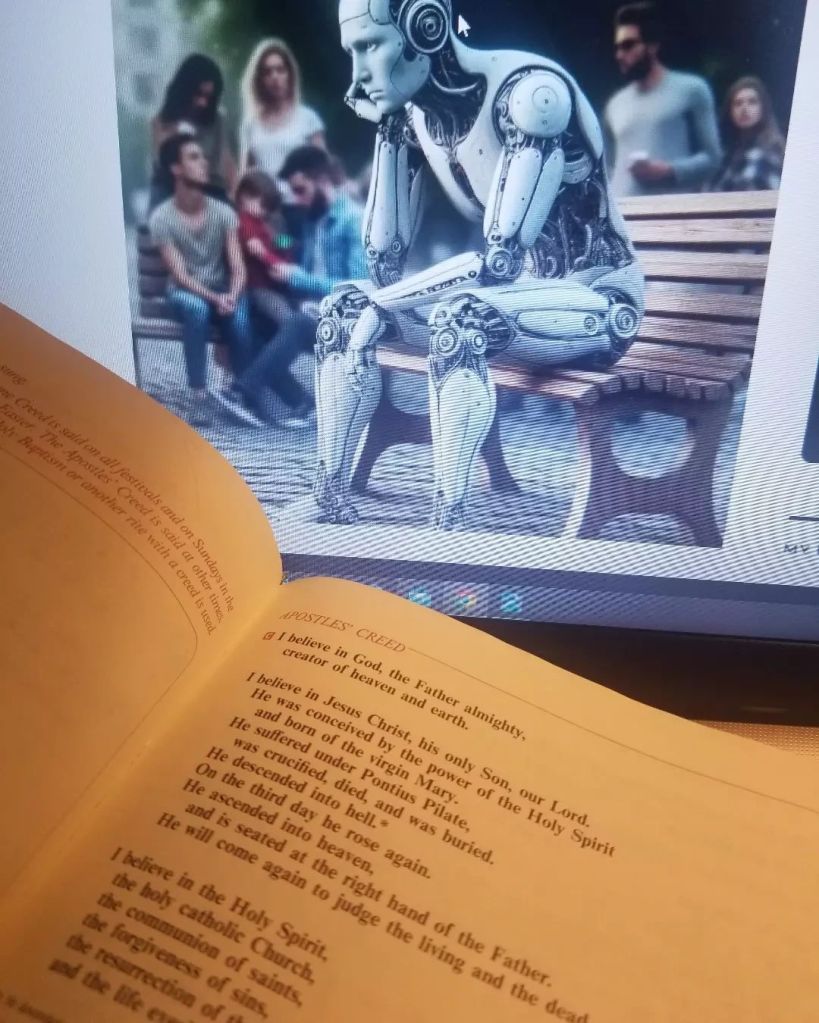
no thanks… very intuitive… my plan is to go forward using this information… I really like this format… you are doing a good job organizing… My time is going to get more restrictive after the new year and I appreciate the thoughts… I haven’t worked out all December… WELL, THAT IS GONNA CHANGE AFTER THE NEW YEAR!

🙂 🙂 🙂

TODAY’S WORD: Understanding Matthew 9:9-13 and Its Message

HIGH FIVE!

It looks like the image you uploaded contains text that might be meaningful to you. While I can’t see the exact text, I can help you understand how to find significance in any text and relate it to your life.

Finding Significance in Text

  1. Identify Key Themes: Look for the main ideas or themes in the text. These could be about love, perseverance, growth, or any other universal concept.
  2. Reflect on Personal Experiences: Think about how these themes relate to your own life. Have you experienced something similar? How did it affect you?
  3. Consider the Message: What is the text trying to convey? Is there a lesson or moral? How does this message resonate with your beliefs or values?
  4. Emotional Connection: Pay attention to how the text makes you feel. Emotions can be a powerful indicator of the text’s significance to you.

Relating Text to Your Life

  1. Personal Stories: Relate the themes or messages to your own personal stories. This can help you see the text in a new light and understand its relevance.
  2. Life Lessons: Think about the lessons you can learn from the text. How can you apply these lessons to your current situation or future decisions?
  3. Inspiration and Motivation: Use the text as a source of inspiration or motivation. Let it guide you in overcoming challenges or pursuing your goals.
  4. Discussion with Others: Share the text with friends or family and discuss its significance. Different perspectives can enrich your understanding and connection to the text.

If you can share more about the text or its themes, I can provide more specific insights on how to relate it to your life. 😊

Matthew 9:9-13 describes the calling of Matthew, a tax collector, to follow Jesus. Here’s a brief summary of the passage:

  1. The Calling of Matthew: As Jesus was passing by, he saw Matthew sitting at the tax collector’s booth and said to him, “Follow me.” Matthew immediately got up and followed Jesus1.
  2. Dinner with Sinners: Later, Jesus dined at Matthew’s house, where many tax collectors and sinners joined them. This caused the Pharisees to question why Jesus was eating with such people2.
  3. Jesus’ Response: Jesus responded by saying, “It is not the healthy who need a doctor, but the sick. Go and learn what this means: ‘I desire mercy, not sacrifice.’ For I have not come to call the righteous, but sinners”3.

Significance and Application

  • Inclusivity and Compassion: Jesus’ actions show that he came for everyone, especially those who are often marginalized or looked down upon by society. This can remind us to be inclusive and compassionate towards others, regardless of their background.
  • Mercy Over Sacrifice: Jesus emphasizes the importance of mercy over ritualistic practices. This can inspire us to prioritize kindness and understanding in our interactions.
  • Personal Transformation: Matthew’s immediate response to follow Jesus highlights the power of personal transformation and the willingness to change one’s life direction.

Relating to Your Life

  • Reflect on Inclusivity: Consider how you can be more inclusive and compassionate in your daily interactions. Are there people in your life who might feel marginalized or overlooked?
  • Practice Mercy: Think about ways you can show mercy and kindness in your actions. Are there situations where you can prioritize understanding and empathy over judgment?
  • Embrace Change: Reflect on areas of your life where you might need to make a change. How can you be more open to positive transformations?