

HIGH FIVE!
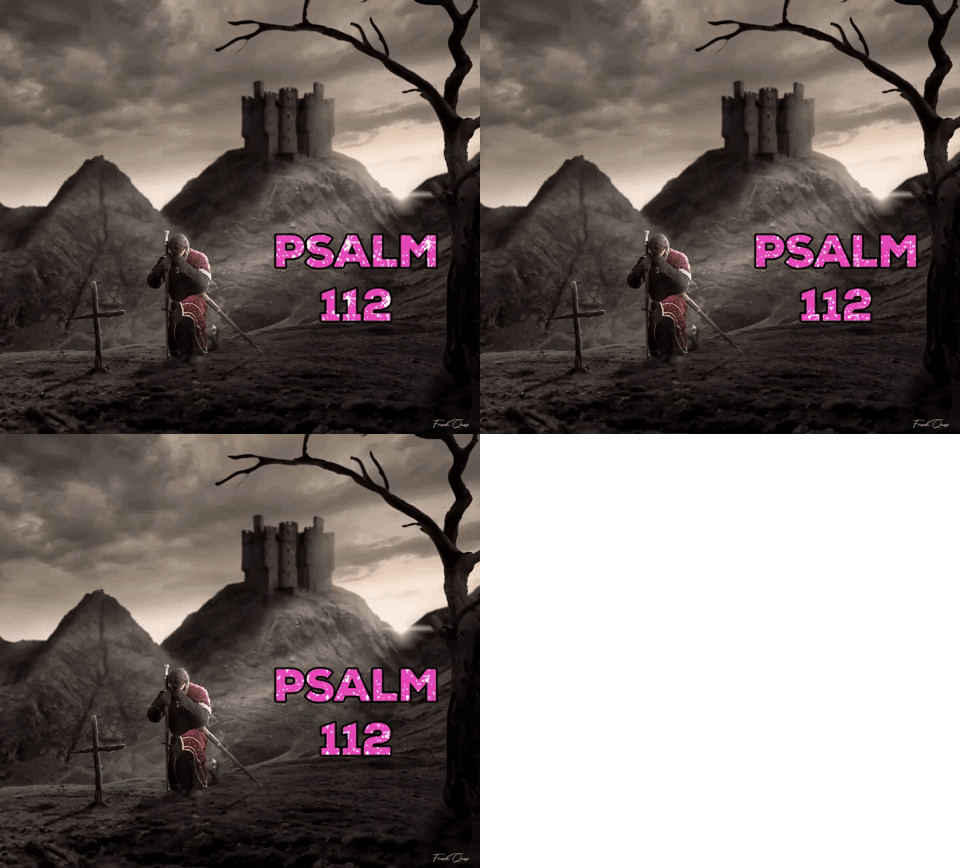
The text “PSALM 112” appears to be superimposed on the image in bright pink lettering. This refers to the 112th chapter or psalm in the Book of Psalms, which is part of the Hebrew Bible and Christian Old Testament.
The juxtaposition of this biblical reference with the dark, moody medieval-style scene creates an intriguing contrast. Psalm 112 is generally known as a psalm of praise that speaks about the blessings and character of the righteous person who fears the Lord. Its themes include generosity, justice, and steadfastness in faith.
The imagery in the photo, with its ominous castle on a hill, barren landscape, and lone knight figure, seems to evoke a sense of struggle or a difficult journey. This could be interpreted as a visual metaphor for the spiritual journey or trials described in many psalms, including themes of perseverance through hardship that are common in biblical literature.
The stark contrast between the ancient, somber scene and the modern, bright pink text also creates a thought-provoking juxtaposition of old and new, perhaps suggesting the enduring relevance of these ancient scriptures to modern life or interpretation.

Psalm 112 offers several principles that can be applied to modern life, regardless of one’s religious beliefs. Here’s how you might relate its themes to your personal journey:
- Integrity and ethics: The psalm emphasizes the importance of being upright and just in one’s dealings. This can translate to maintaining strong ethical standards in your personal and professional life.
- Generosity: It speaks of being generous and lending freely. This could inspire you to be more charitable, whether through donations, volunteering, or simply being kind to others.
- Financial wisdom: There are references to managing wealth wisely. This can be interpreted as encouragement to be financially responsible and to use your resources to benefit others as well as yourself.
- Resilience: The psalm mentions not being shaken by bad news. This can be seen as a call to develop emotional resilience and maintain a positive outlook even in challenging times.
- Legacy: It talks about descendants being mighty in the land. This could motivate you to consider the long-term impact of your actions and the legacy you want to leave.
- Compassion: The righteous person is described as being gracious and compassionate. This can inspire you to cultivate empathy and kindness in your interactions with others.
- Steadfastness: There’s an emphasis on having a steadfast heart and not being afraid. This can encourage you to stay true to your principles and face life’s challenges with courage.
- Light in darkness: The psalm mentions light dawning in the darkness for the upright. This could be interpreted as finding hope and guidance during difficult times through adhering to positive principles.
To apply these ideas practically, you might:
- Reflect on your personal values and how you can better embody them
- Look for opportunities to be generous or volunteer in your community
- Work on building your resilience through mindfulness or stress management techniques
- Consider how your current actions might impact your long-term legacy
- Practice compassion and kindness in your daily interactions
Remember, the interpretation and application of religious texts can be deeply personal. You’re encouraged to reflect on how these themes resonate with your own life experiences and values.
 DO-N-GOOD.COM