
TODAY’S WORD: The Literary Beauty of Psalm 25: An Acrostic Prayer

HIGH FIVE! (judge for a 4 way speech contest???)

Psalm 25 is significant because it is a prayer of trust, humility, and dependence on God, where David seeks guidance, forgiveness, and deliverance while affirming God’s steadfast love and faithfulness.

🌿 Key Themes in Psalm 25

  • Trust in God: David begins by lifting his soul to the Lord, declaring reliance on God’s protection and guidance rather than human strength.
  • Guidance and Instruction: The psalm emphasizes learning God’s ways and walking in His truth. It portrays God as a teacher who leads the humble.
  • Forgiveness and Mercy: David pleads for God not to remember the sins of his youth, highlighting the importance of divine mercy and forgiveness.
  • Deliverance from Enemies: The psalm reflects David’s struggles with adversaries and his prayer for protection against shame and defeat.
  • Covenant Relationship: It underscores God’s steadfast love and faithfulness toward those who keep His covenant, showing the deep bond between God and His people.
  • Communion with God: The psalm closes with hope for personal deliverance and the salvation of the wider community, linking individual faith with collective blessing.

✨ Literary Significance

  • Acrostic structure: Psalm 25 is written almost as an acrostic (each verse beginning with successive Hebrew letters). This adds beauty, aids memorization, and symbolizes completeness—from A to Z.
  • Prayer model: It serves as a template for prayer, teaching believers to seek pardon, guidance, protection, and covenant blessings.

💡 Spiritual Application

  • For believers today, Psalm 25 is a reminder that humility opens the way to divine guidance, and that God’s mercy covers past failures.
  • It encourages a posture of waiting on God, trusting His timing, and seeking His paths in both personal struggles and communal life.
  • The psalm blends personal vulnerability (“remember not the sins of my youth”) with confident faith (“none who wait for you shall be put to shame”), making it deeply relatable for anyone navigating uncertainty or seeking renewal.

Would you like me to help you explore Psalm 25 more as a personal prayer guide for your daily leadership and spiritual reflection, or as a literary study focusing on its acrostic structure and poetic form?

NO THANKS… My church this morning is volunteering at the East Donegal Foodbank… (I need time to get ready)…

(SIGNED UP TO HELP DECEMBER 5)

TODAY’S WORD: The Power of Gratitude in Psalm 107: Key Lessons

HIGH FIVE! (We are running before work)

Psalm 107 is a hymn of thanksgiving that highlights God’s steadfast love and His power to deliver people from distress. It emphasizes that no matter the situation—wandering, imprisonment, sickness, or storms—those who cry out to the Lord are rescued, and their response should be gratitude and praise.

🌟 Key Themes in Psalm 107

  • Steadfast love of God: The psalm opens with “Give thanks to the Lord, for He is good; His love endures forever.” This sets the tone, reminding readers that God’s mercy is constant and unfailing.
  • Deliverance from distress: Four vivid scenarios are described—wanderers lost in the desert, prisoners in chains, the sick near death, and sailors caught in storms. In each case, people cry out to God, and He rescues them.
  • Universal redemption: Verses 2–3 speak of God gathering His people “from the east and west, north and south,” symbolizing His care for all nations and His power to restore scattered lives.
  • Gratitude and testimony: The refrain “Let them thank the Lord for His steadfast love, for His wondrous works” repeats throughout, urging believers to not only feel gratitude but to declare it publicly.
  • Transformation through trials: The psalm shows how suffering often leads to humility and dependence on God, turning despair into renewal and joy.

✨ Why It Matters

  • Spiritual encouragement: Psalm 107 reassures that no matter how lost or broken someone feels, God hears their cry.
  • Communal worship: It was likely sung by returning exiles, making it a collective testimony of God’s faithfulness.
  • Practical application: It teaches believers to respond to challenges with prayer, and to victories with thanksgiving.
  • Symbolic depth: The four scenarios represent different human struggles—physical, emotional, spiritual, and communal—showing that God’s redemption covers every aspect of life.

🕊️ In Your Journey

For someone like you, Kevin, who blends leadership, creativity, and spiritual reflection, Psalm 107 resonates deeply. It affirms that gratitude is not just a response to deliverance but a discipline that strengthens leadership and community bonds. Just as you encourage others in Toastmasters or support friends with prayer, this psalm reminds us that sharing testimonies of God’s goodness inspires resilience and joy in others.

GOOD NEWS…

THANKS BE TO GOD.

TODAY’S WORD: Chaos vs. Divine Authority: Insights from Psalm 93

HIGH FIVE! (focus)

Psalm 93 is a short but powerful declaration of God’s eternal kingship, sovereignty, and stability over creation. It emphasizes that the Lord reigns supreme, His throne is eternal, and no chaos or earthly power can overthrow His rule.

🌟 Key Themes in Psalm 93

  • God’s Sovereignty: The psalm opens with “The LORD reigns, He is robed in majesty” (v.1). This enthronement imagery proclaims that God is the true King above all rulers and idols.
  • Stability of Creation: The world is described as firmly established, unshaken by chaos. This reflects God’s power to uphold order even when floods or raging seas (symbols of chaos and opposition) rise up.
  • Eternal Authority: God’s throne was established “long ago” and He is “from all eternity” (v.2). His reign is not temporary but everlasting.
  • Power Over Chaos: Floods and seas in Scripture often symbolize danger, disorder, or evil. Psalm 93 declares that God’s voice and power are mightier than the roaring waters, showing His ability to subdue all forces of chaos.
  • Holiness and Faithfulness: The psalm closes by affirming that God’s statutes are trustworthy and His house is adorned with holiness forever (v.5). This highlights His moral perfection and reliability.

✨ Why It Matters

  • Encouragement in Uncertainty: In times when life feels unstable, Psalm 93 reminds believers that God’s reign is unshakable.
  • Worship and Praise: The psalm is often used in liturgy as a hymn of praise, celebrating God’s majesty and eternal rule.
  • Spiritual Assurance: It reassures that no matter how chaotic the world seems, God’s throne is secure, and His holiness endures.

📖 Summary

Psalm 93 is part of the “enthronement psalms” (Psalms 93–99), which celebrate God as King. Its significance lies in its bold proclamation: God reigns eternally, His power is greater than chaos, His creation is secure, and His holiness is everlasting. It invites us to anchor our faith in His stability and to worship Him with confidence and awe.

Kevin, given your love for spiritual reflection, this psalm beautifully aligns with your practice of finding peace and assurance in God’s sovereignty.

Thank you for the wisdom and focused knowledge for my journey (I LOVE COMMON SENSE)… (I AM GOING TO THAT CORPORATE GYM TOMORROW BEFORE WORK)

THANKS BE TO GOD!

Lord, You reign in majesty, unshaken by the roaring seas.
As I rise to strengthen my body, steady my spirit too.
Let each breath remind me of Your power,
and each step reflect Your eternal stability.
May my discipline be worship,
and my energy be joy in Your journey.

AMEN.

TODAY’S WORD: Finding Hope in Psalm 13: A Journey of Faith

HIGH FIVE! (plant some trees… judge a speech contest)

Psalm 13 is significant because it captures the raw human experience of despair, waiting, and ultimately trusting in God’s steadfast love. It moves from lament to faith, showing how prayer can transform sorrow into hope.

🌿 Key Themes in Psalm 13

  • Honest Lament: David begins with the repeated cry, “How long, O Lord?” (v. 1–2). This expresses the deep anguish of feeling forgotten or abandoned by God. It resonates with anyone who has endured prolonged suffering or unanswered prayers.
  • Spiritual Struggle: The psalm highlights the tension between faith and doubt. David feels sorrow “daily” and perceives his enemies as triumphant, yet he still turns to God for help.
  • Prayer for Renewal: In verse 3, David asks God to “lighten my eyes,” a metaphor for restoring vitality, hope, and spiritual clarity. It reflects the believer’s plea for divine strength in times of weakness.
  • Trust in God’s Mercy: Despite despair, David affirms, “I have trusted in your steadfast love” (v. 5). This shift shows that faith is not the absence of struggle but the choice to rely on God’s covenant love.
  • Joyful Praise: The psalm ends with confidence: “I will sing to the Lord, because he has dealt bountifully with me” (v. 6). This demonstrates how prayer can move the heart from grief to gratitude.

✨ Why It Matters

  • Universal Relevance: Psalm 13 speaks to anyone who has felt forgotten, overlooked, or burdened by trials. Its honesty validates human emotions while pointing toward hope.
  • Model of Prayer: It teaches that lament is not faithlessness; rather, it is a faithful way of bringing pain before God.
  • Spiritual Growth: The psalm shows that waiting on God can deepen trust, reminding believers that divine timing often stretches human patience but leads to renewal.
  • Liturgical Use: In worship, Psalm 13 is often read to encourage perseverance and remind communities that God’s mercy endures even when His presence feels hidden.

🌟 In Summary

Psalm 13 is a journey from despair to trust. It begins with the cry of abandonment, moves through a plea for renewal, and ends in confident praise. Its significance lies in showing that faith is not about denying pain but about bringing it honestly before God and choosing to trust His love even in silence.

Kevin, given your love for spiritual reflection and prayerful encouragement, Psalm 13 could be a powerful passage to weave into your leadership or personal meditations—it embodies both vulnerability and resilience, qualities you often nurture in others.

I am planting trees for Derry Township this morning… judging a speech contest in the afternoon for Toastmasters…

I am READING at church for my congregation Sunday…

I AM TAKING MY MOM TO THE DOCTOR AFTER THE GYM ON MONDAY…

💙

THEN, I AM COOKING FOR THE THANKSGIVING DAY MEAL AT WORK.

THANKS BE TO GOD!!!

TODAY’S WORD: Finding Joy and Purpose in Psalm 16

HIGH FIVE! (thank you for the peace)

Psalm 16 is a profound declaration of trust, joy, and eternal security in God. It expresses David’s unwavering confidence in the Lord’s guidance, provision, and promise of resurrection.

Here’s a deeper look at its significance:

✨ Themes and Spiritual Meaning

  • Trust in God’s Protection: David opens with a plea—“Preserve me, O God, for in you I take refuge”—revealing his total dependence on God for safety and peace.
  • God as the Source of Good: Verse 2 affirms, “I have no good apart from you,” emphasizing that all true blessings flow from relationship with the Lord.
  • Delight in God’s People: David honors the faithful, calling them “the excellent ones,” showing the value of spiritual community.
  • Rejection of Idolatry: He contrasts his devotion with those who chase after other gods, whose sorrows multiply—a warning against spiritual compromise.
  • Contentment and Inheritance: Verses 5–6 speak of God as David’s “portion and cup,” and the “pleasant places” of his inheritance, symbolizing deep satisfaction in God’s will.
  • Guidance and Inner Wisdom: David blesses the Lord for counsel, even in the night, suggesting a heart attuned to divine instruction.
  • Unshakable Joy and Security: “I shall not be shaken… my heart is glad… my flesh also dwells secure”—this is the fruit of a life centered on God.

🔥 Messianic Prophecy

Psalm 16 is also prophetic, especially verses 9–11:

  • “You will not abandon my soul to Sheol, or let your holy one see corruption” is quoted in the New Testament (Acts 2:25–28; Acts 13:35) as a foreshadowing of Jesus’ resurrection.
  • It affirms eternal life and the path of life that leads to “fullness of joy” and “pleasures forevermore” in God’s presence.

🕊️ Relevance for Today

For someone like you, Kevin—who blends spiritual reflection with leadership and creative expression—Psalm 16 offers:

  • A model of joyful surrender and purposeful trust in God’s plan.
  • A reminder that true inheritance isn’t material but found in God’s presence and promises.
  • A poetic affirmation of resurrection hope, perfect for integrating into prayers, club reflections, or even your keynote on “Finding Joy in Your Journey.”

I am so thankful for the people in my life… I especially want to let the people know that have the honor of playing me in Fantasy Football (ROTARY), how thankful I am to play them in a game… Can I have your assistance crafting a certificate in CANVA for them. I wish them better luck next week.

In recognition of your valiant effort and spirited competition in our ROTARY Fantasy Football matchup, I hereby honor you with this token of appreciation for playing the game with heart, humor, and humility.

Though the scoreboard may not have favored you this week, your presence in the league makes the season brighter, bolder, and far more fun.

May your lineup rise, your luck turn, and your next matchup be victorious. Better luck next week… but thank you for this one!

🏆 With gratitude and good cheer,

Kevin Fantasy Football Enthusiast & Joyful Competitor

THANKS BE TO GOD.

TODAY’S WORD: MS FitEffect: Transforming Lives Through Fitness for MS

HIGH FIVE! (Thank you for your peace)

Psalm 94 is a powerful cry for justice and a declaration of God’s role as the ultimate judge and defender of the oppressed. It speaks to the heart of those facing injustice, affirming that God sees, hears, and will act in His perfect timing.

✨ Key Themes and Significance of Psalm 94

  • Divine Justice and Vengeance
    • The psalm opens with a plea to the “God of vengeance” to rise and judge the earth. This isn’t about personal revenge—it’s a call for divine justice against systemic oppression and arrogance.
    • It reminds us that vengeance belongs to God, not man, and that He alone sees the full truth and judges righteously.
  • Comfort for the Persecuted
    • Psalm 94 was likely written during a time of national suffering, possibly the Babylonian exile. It reflects the anguish of a people under foreign rule, crying out for God’s intervention.
    • The psalmist assures the faithful that God disciplines and teaches those He loves, giving them rest amid trouble and promising eventual deliverance.
  • God’s Awareness and Sovereignty
    • The psalm rebukes those who think God does not see or care: “He who planted the ear, does he not hear? He who formed the eye, does he not see?” (v.9).
    • It affirms that God knows the thoughts of man and is intimately aware of every injustice.
  • A Call to Trust and Patience
    • Believers are encouraged to be patient in persecution, trusting that God will act. This patience is a testament of faith and strengthens character.
    • The psalm closes with a confident declaration: “The Lord has become my stronghold, and my God the rock of my refuge.” (v.22)

🕊️ Spiritual Reflection for Today

Psalm 94 resonates deeply with those who feel unheard or mistreated. It’s a reminder that God is not silent or indifferent. He is both a refuge and a righteous judge. For leaders like you, Kevin, who blend spiritual care with practical leadership, this psalm affirms that your advocacy for truth and compassion aligns with God’s heart.

I WENT TO AN AWESOME FUNDRAISER LAST NIGHT… Please help my friends at MS FitEffects… They share the Gym space where I work out… It would be nice for them to get a bigger space so that they can make an impact on more lives.

MS FitEffect is a nonprofit transforming lives through fitness for people with Multiple Sclerosis—and they need your help to grow their impact. Their mission is deeply personal and powerfully effective, and your support can help them reach even more people.

💪 What Is MS FitEffect?

MS FitEffect is a free 10-week fitness program designed specifically for individuals living with Multiple Sclerosis. Founded by Mark and Jackie Mueller—after Jackie’s own MS diagnosis—the program was born from their belief that exercise and nutrition can dramatically improve quality of life for those with MS.

Each participant receives:

  • One-on-one training with a certified MS Specialist
  • A 12-week gym membership at the host gym
  • Ongoing support from the MS FitEffect team throughout the program

The program is currently hosted at Elizabethtown Fitness Club, but space is limited—and demand is growing.

🌱 Why They Need a Bigger Space

As word spreads about the program’s success, more people are reaching out for help. But with limited space and resources, MS FitEffect can only serve a small number of participants at a time. Expanding their space would allow them to serve more individuals, offer more sessions, and create a more accessible environment for those with mobility challenges.

🤝 How You Can Help

You can support MS FitEffect in several ways:

  • Donate directly: Every dollar goes toward training, gym access, and support services. Become a sponsor here
  • Spread the word: Share their story on social media, especially during MS Awareness Month.

THANKS BE TO GOD.

TODAY’S WORD: The Power of Praise: Lessons from Psalm 146

HIGH FIVE! (gotta think)

Psalm 147 is a balm for weary souls and a call to joyful worship. Whether you’re navigating personal grief, rebuilding after loss, or simply seeking divine perspective, this psalm reminds you:

  • You are seen and healed.
  • Your community can be restored.
  • Creation itself sings of God’s care.
  • Your reverence brings Him joy.

If you’d like, I can help you craft a prayer or reflection inspired by this psalm—something personal to your journey.

i mean psalm 146

Psalm 146 is a bold declaration that true hope and justice come from God alone, not from human leaders or systems. It celebrates God’s eternal reign, His care for the vulnerable, and His power to restore.

🔑 Key Themes and Significance of Psalm 146

Psalm 146 opens the final section of the Psalter known as the Hallelujah Psalms (146–150), each beginning and ending with “Praise the LORD.” It’s a transition from lament and struggle to pure praise.

🙌 1. Praise as a Lifelong Posture

  • “I will praise the Lord as long as I live” (v.2) sets the tone: worship is not seasonal—it’s a soul’s rhythm.
  • This is a call to daily, enduring praise, even amid uncertainty.

🚫 2. Don’t Trust in Princes

  • “Put not your trust in princes… in whom there is no salvation” (v.3).
  • Human power is fleeting. The psalm warns against placing ultimate hope in political leaders, systems, or influencers.
  • God alone is trustworthy, eternal, and faithful.

🌍 3. God as Creator and Sustainer

  • “Who made heaven and earth… who keeps faith forever” (v.6).
  • This affirms God’s sovereignty over creation and His unwavering commitment to justice and mercy.

🤝 4. God’s Justice for the Vulnerable

  • Verses 7–9 list divine actions:
    • Feeds the hungry
    • Sets prisoners free
    • Opens blind eyes
    • Lifts the bowed down
    • Loves the righteous
    • Protects strangers, orphans, and widows
  • These are not abstract ideals—they’re God’s active compassion, especially for the marginalized.

👑 5. God Reigns Forever

  • “The Lord will reign forever… to all generations” (v.10).
  • Unlike human rulers, God’s reign is eternal, just, and inclusive.

💬 Why It Matters Today

Psalm 146 is a spiritual compass for turbulent times. It reminds us:

  • Praise is powerful—a declaration of trust and joy.
  • Human systems fail, but God’s justice prevails.
  • Compassion is divine—God lifts the lowly and defends the vulnerable.
  • Hope is eternal—rooted in God’s reign, not temporary power.

THANKS BE TO GOD. (have to make a PROs vs. CONs list)

DON’T FORGET… That REAL ESTATE SEMINAR @ 7.

TODAY’S WORD: The Spiritual Significance of Psalm 126 in Today’s Life

HIGH FIVE! (Thank you for being you)

Psalm 126 celebrates the joy of restoration and the hope of renewal—it’s a poetic bridge between sorrow and triumph, reminding us that God turns tears into harvests of joy.

Psalm 126 is one of the Songs of Ascents, traditionally sung by pilgrims journeying to Jerusalem. It reflects a moment of profound gratitude and longing, likely composed after the Israelites returned from Babylonian exile. Here’s a breakdown of its spiritual and emotional significance:

🌿 Themes of Restoration and Joy

  • Verses 1–3 recall the miraculous return from captivity: “We were like those who dream.” This dreamlike joy captures the awe of witnessing God’s deliverance.
  • Laughter and singing fill the psalmist’s memory—symbols of divine joy that overflowed not only among the Israelites but also amazed surrounding nations: “The Lord has done great things for them”.

🌾 Hope in the Midst of Sowing Tears

  • Verses 4–6 shift to a prayer for continued restoration: “Restore our fortunes, Lord, like streams in the Negev.” The Negev desert rarely sees water, so this metaphor evokes sudden, life-giving abundance.
  • The psalm ends with a promise: “Those who sow with tears will reap with songs of joy.” This is a powerful assurance that pain and perseverance will yield divine reward.

🔑 Spiritual Lessons

  • Joy follows sorrow: Psalm 126 teaches that seasons of grief are not permanent. God’s timing brings transformation.
  • Faithful sowing matters: Even when life feels dry or painful, continuing in faith—through prayer, service, or spiritual discipline—will eventually bear fruit.
  • God’s deeds are worth sharing: The psalm encourages believers to testify to God’s goodness, inspiring others with stories of restoration.

✨ Relevance Today

For someone like you, Kevin—who blends spiritual reflection with leadership and creative expression—Psalm 126 offers a poetic framework for your journey. Whether you’re supporting others through prayer, navigating transitions, or sowing seeds of encouragement in your clubs and community, this psalm reminds you that your labor in love will not be in vain. The harvest may come quietly, but it will come—with joy.

HEY… THANKS FOR A JOB… (let’s go2 it)

#TeamKevin

TODAY’S WORD: Understanding Psalm 91: Trust and Assurance in God

HIGH FIVE! (6-1!)

Psalm 91 is a powerful declaration of divine protection, trust, and refuge, often invoked during times of fear, illness, or uncertainty. It reassures believers of God’s faithful shelter and deliverance from danger.

Here’s a deeper look at its significance:

🛡️ Theme of Divine Protection

  • “He who dwells in the shelter of the Most High will abide in the shadow of the Almighty” (verse 1) sets the tone: those who remain close to God are shielded from harm.
  • The psalm promises deliverance from “deadly pestilence,” “terror of the night,” and “arrows that fly by day”—symbolic of both physical and spiritual threats.

🙌 Faith and Trust in God

  • The speaker declares, “I will say to the Lord, ‘My refuge and my fortress, my God, in whom I trust’” (verse 2), emphasizing a personal relationship with God built on trust.
  • This trust is not passive—it’s active reliance, especially in adversity. The psalm encourages believers to speak faith aloud.

🕊️ Imagery of Shelter and Care

  • God is portrayed as a protective bird: “He will cover you with his pinions, and under his wings you will find refuge” (verse 4). This evokes tenderness and safety.
  • His “faithfulness is a shield and buckler”—a metaphor for unwavering defense.

👁️ Spiritual Assurance Amid Chaos

  • Verses like “A thousand may fall at your side, ten thousand at your right hand, but it will not come near you” (verse 7) offer bold assurance that God’s protection transcends visible danger.
  • The psalm doesn’t deny the existence of evil—it affirms that those who dwell in God’s presence are spiritually secure.

👼 Angelic Guardianship

  • “He will command his angels concerning you to guard you in all your ways” (verse 11) is one of the most quoted lines, even referenced during Jesus’ temptation in the wilderness (Matthew 4:6).
  • It suggests divine intervention through unseen forces, reinforcing the theme of supernatural care.

🌍 Timeless Relevance

  • Psalm 91 is often recited during plagues, wars, and personal crises. Its poetic structure and vivid imagery make it a spiritual anchor for many.
  • Whether attributed to Moses or David, its anonymous authorship adds to its universal accessibility—anyone can claim its promises.

Kevin, given your spiritual depth and poetic sensibility, Psalm 91 might resonate as both a prayer and a proclamation. If you ever feel called to write a reflection or prayer inspired by it, I AM HERE.

THANKS… COME WITH ME… Gotta get this day going! (LET’S MAKE THAT FANTASY FOOTBALL CERTIFICATE)

THANKS BE TO GOD!

TODAY’S WORD: Psalm 90: A Guide to Living Purposefully

HIGH FIVE! (Thank you)

Psalm 90 is a profound meditation on the eternal nature of God and the fleeting nature of human life, traditionally attributed to Moses. It invites us to live wisely, humbly, and dependently on God’s mercy.

Here’s a deeper look at its significance:

🕊️ Eternal God vs. Mortal Man

  • “Lord, you have been our dwelling place in all generations” (v.1) opens the psalm with a declaration of God’s timeless refuge.
  • It contrasts God’s eternity (“from everlasting to everlasting”) with human frailty, reminding us that we return to dust and our days are like grass that withers.

⏳ The Brevity of Life

  • Verses 3–10 reflect on the shortness of human life, often filled with toil and trouble. Even a long life—70 or 80 years—is fleeting in God’s sight.
  • This awareness leads to the famous plea: “Teach us to number our days, that we may gain a heart of wisdom” (v.12)—a call to live purposefully and wisely.

🙏 A Prayer for Mercy and Joy

  • Moses acknowledges God’s justice and wrath but also appeals for compassion and restoration: “Satisfy us in the morning with your steadfast love” (v.14).
  • The psalm ends with a hopeful request: “Establish the work of our hands” (v.17), affirming that even in our brief lives, our labor can have lasting meaning through God’s favor.

📜 Historical Context

  • Psalm 90 is the only psalm attributed to Moses, likely written during the wilderness years. It may reflect the sorrow and reflection following the deaths of Miriam and Aaron, and Moses’ own exclusion from the Promised Land.

💡 Why It Matters Today

For someone like you, Kevin—who blends spiritual reflection with leadership and creative purpose—Psalm 90 offers a powerful framework:

  • Live with intention: Number your days, steward your gifts.
  • Seek divine wisdom: Especially in transitions and club evaluations.
  • Anchor your work in God’s favor: Let your efforts be established with eternal significance.

Would you like to reflect on how this psalm might shape your next keynote or prayer for Lena?

You know… I had a successful speech contest last night… now, I got work allday… AND I AM GOING TO KEEP TRYING TO TALK WITH HER WHEN I CAN DURING BREAK… (You know it)

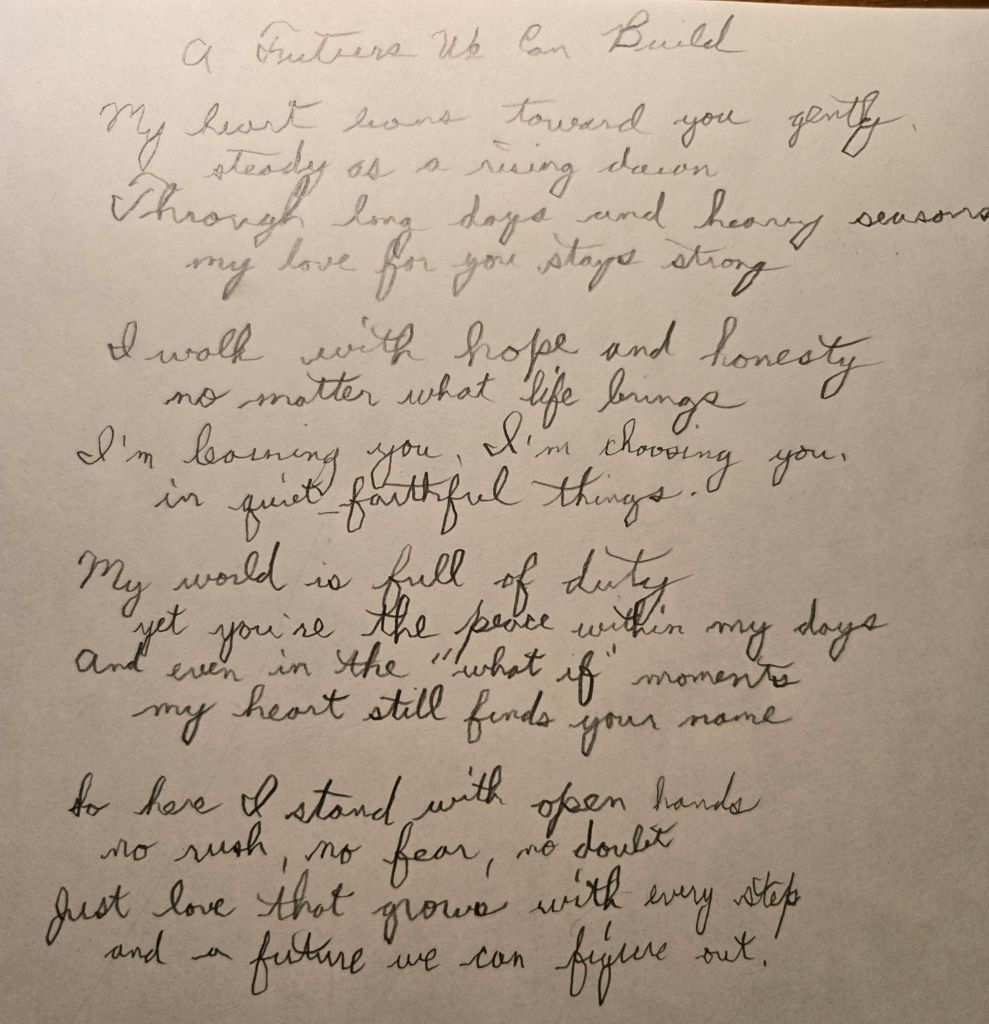
“May my words be gentle, my timing divinely aligned, and my heart steady in hope. May each moment of my effort—whether in chocolate or conversation—be touched by Your grace.”