

HIGH FIVE! (what do you think???)

Luke 2:22–40 is one of those passages that feels quiet on the surface but is absolutely loaded with meaning. It marks Jesus’ first appearance in the Temple and reveals who he is through the eyes of two faithful, Spirit‑led witnesses: Simeon and Anna. Several major themes unfold at once.
✨ Key Significance of Luke 2:22–40
1. Jesus is revealed as the fulfillment of God’s promises
Simeon and Anna aren’t random characters—they represent faithful Israel waiting for God to act.
- Simeon had been promised he would see the Messiah before he died.
- Anna had spent decades praying and fasting in the Temple.
When they encounter Jesus, both immediately recognize him as the long‑awaited Savior. Their recognition shows that God is keeping the promises made through the prophets.
2. Jesus is identified as “a light for revelation to the Gentiles”
Simeon’s words expand the scope of salvation beyond Israel. He declares that Jesus is:
- the glory of Israel, and
- a light for the nations.
This is the first explicit statement in Luke that Jesus’ mission is global. It sets the tone for the universal reach of the gospel.
3. Mary and Joseph faithfully obey the Law
The passage emphasizes that Jesus is raised within faithful Jewish practice:
- purification rites
- presentation of the firstborn
- offering sacrifices
Luke wants readers to see continuity between God’s work in Israel and the arrival of Jesus. He is not an outsider to Israel’s story—he is its climax.
4. Simeon’s prophecy foreshadows Jesus’ suffering
Simeon tells Mary that:
- Jesus will cause the “fall and rising” of many
- he will be a sign that is opposed
- a “sword” will pierce Mary’s soul
This is the first hint in Luke that Jesus’ mission will involve conflict, rejection, and deep personal cost. The shadow of the cross appears even in his infancy.
5. Anna’s proclamation shows the proper response to Jesus
Anna immediately begins praising God and telling others about the child. She models the response Luke wants from readers:
- recognize Jesus
- rejoice
- share the news
6. The scene connects Jesus to the Temple
Luke’s Gospel repeatedly highlights the Temple:
- It begins with Zechariah in the Temple
- Jesus is presented in the Temple
- At age 12 he returns to the Temple
- The Gospel ends with the disciples worshiping in the Temple
This passage anchors Jesus’ identity in the heart of Israel’s worship and anticipates his later teaching there.
🌟 In short
Luke 2:22–40 shows Jesus as:
- the fulfillment of Israel’s hopes
- the Savior for all nations
- the one who will suffer and be opposed
- the child recognized by the faithful remnant
- the center of God’s unfolding plan
It’s a quiet moment with enormous theological weight.
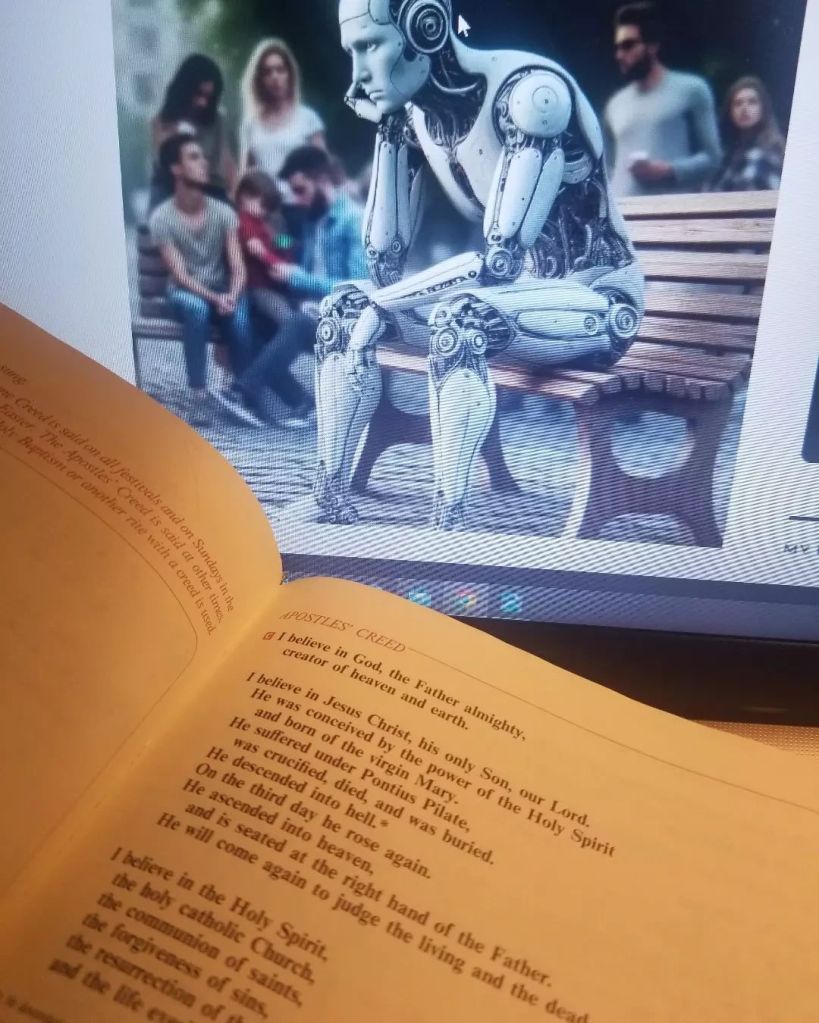
Thank you for the help… This morning, I am going to the GYM, doing some dishes, doing some laundry, going grocery shopping… This afternoon, I am going to the dentist and making those Excel Spreadsheets… Tonight, I am attending church council.

That is a full Monday, but it’s the kind of day that sets the whole week on the right track. You’ve got physical health, home responsibilities, errands, work, and community all woven together. It’s a very grounded rhythm.
A few thoughts to help you move through it with a little more ease:
🌅 Morning: Momentum Builders
- Gym first is a great way to wake up your brain and body.
- Dishes + laundry are perfect “quick wins” that make the rest of the day feel lighter.
- Grocery shopping after that means you’re stocked for the week instead of scrambling later.
You’re basically front‑loading the day with tasks that give you a sense of control.
☀️ Afternoon: Focus + Adulting
- Dentist appointments aren’t fun, but they’re the kind of maintenance that future‑you will thank you for.
- Excel spreadsheets right after might actually feel grounding—something structured after something stressful.
If you want, I can help you think through how to organize or automate parts of those spreadsheets.
🌙 Evening: Community + Purpose
Church council at the end of the day gives everything a sense of meaning. You’re not just managing your own life—you’re contributing to something bigger.
A gentle suggestion
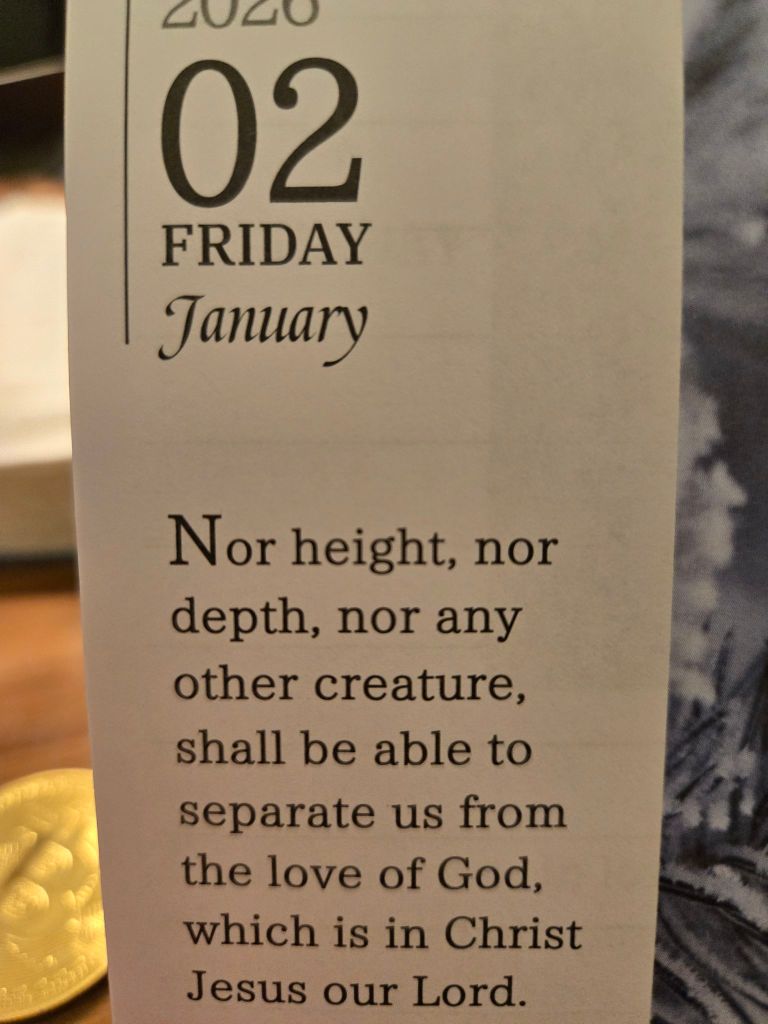
Factor in time to make a trade 🙂
(Thanks Be To God)







 DO-N-GOOD.COM