
TODAY’S WORD: Positive Communication and Interaction: Embracing the ‘See No Evil, Hear No Evil, Speak No Evil’ Concept

HIGH FIVE!

The image you shared depicts individuals embodying the “see no evil, hear no evil, speak no evil” concept. This idea encourages us to avoid engaging with negativity, whether it’s through what we see, hear, or say.

In your life, this could serve as a reminder to focus on positive communication and interactions, both in your personal and professional settings. As a Toastmasters member and leader, this principle can guide you in fostering a supportive and constructive environment. It aligns with the values of effective and positive communication, which are crucial in both retail operations and supply chain management.

Psalm 34 is a powerful and uplifting chapter that reflects on God’s protection, care, and deliverance for those who seek Him. Here are some key themes and their significance:

  1. Praise and Gratitude: The psalm begins with a call to continually praise the Lord, emphasizing the importance of gratitude in our lives (verses 1-3). This can remind you to maintain a positive and thankful attitude, even in challenging times.
  2. Deliverance and Protection: David speaks of seeking the Lord and being delivered from fears (verse 4). This highlights God’s role as a protector and deliverer, encouraging you to trust in Him during difficult situations.
  3. God’s Goodness: The famous verse “Taste and see that the Lord is good” (verse 8) invites you to experience God’s goodness firsthand. This can inspire you to deepen your faith and trust in His provision.
  4. Righteous Living: The psalm advises keeping your tongue from evil and seeking peace (verses 13-14). This aligns with your role in Toastmasters, where effective and positive communication is key.
  5. God’s Nearness to the Brokenhearted: Verse 18 reassures that the Lord is close to those who are brokenhearted and saves those who are crushed in spirit. This can be a source of comfort and hope during personal struggles.
  6. Divine Justice: The psalm also speaks of God’s justice, ensuring that the righteous are protected and the wicked are held accountable (verses 15-22).

In your life, Psalm 34 can serve as a reminder of God’s constant presence and support. It encourages you to live righteously, communicate positively, and trust in God’s goodness and protection. How do you see these themes resonating with your current experiences and goals?

TODAY’S WORD: Diligence and Hard Work: Importance of Perseverance and Dedication | High-Five Symbolism

HIGH FIVE!

The image you shared depicts a character immersed in work or study, surrounded by books, notes, and a calendar. This scene can symbolize several important aspects of life:

  1. Diligence and Hard Work: The character’s focus on the open book and the scattered papers suggest a commitment to learning or completing a task. This can remind us of the importance of perseverance and dedication in achieving our goals.
  2. Organization and Time Management: Despite the apparent chaos, the presence of sticky notes and a calendar indicates an effort to stay organized and manage time effectively. This can be a reminder to balance our responsibilities and plan our activities to make the most of our time.
  3. Creativity and Problem-Solving: The crumpled papers on the floor hint at brainstorming and the creative process, where not every idea works out, but persistence leads to success. This can encourage us to keep trying new approaches and not be discouraged by setbacks.
  4. Balance and Personal Touch: The calendar with a picture of a dog wearing glasses adds a personal touch to the workspace, suggesting the importance of maintaining a balance between work and personal life, and finding joy in small things.

In relation to your life, this image can serve as a metaphor for the various aspects of your daily routine and personal growth. It highlights the value of hard work, organization, creativity, and balance—qualities that can help you navigate both personal and professional challenges.

Mark 8:1-10 recounts the miracle of Jesus feeding the four thousand with seven loaves of bread and a few small fish. This passage holds several significant themes:

  1. Compassion and Provision: Jesus shows deep compassion for the crowd, recognizing their physical hunger and providing for their needs. This demonstrates God’s care and provision for us, even in seemingly impossible situations12.
  2. Faith and Obedience: The disciples initially question how they can feed such a large crowd with so little, but they follow Jesus’ instructions. This highlights the importance of faith and obedience, trusting that God can multiply our efforts and resources to meet our needs12.
  3. Abundance and Gratitude: After everyone has eaten, there are seven baskets of leftovers, symbolizing God’s abundant blessings. This encourages us to be grateful for what we have and to recognize the abundance in our lives12.
  4. Inclusivity: Unlike the feeding of the five thousand, which primarily involved a Jewish audience, this miracle likely included Gentiles, emphasizing that Jesus’ compassion and provision extend to all people12.

In relation to your life, this passage can serve as a reminder of several key principles:

  • Trust in God’s Provision: Just as Jesus provided for the crowd, you can trust that God will provide for your needs, even when the situation seems dire.
  • Faith in Action: Like the disciples, you may face challenges that seem insurmountable. By following God’s guidance and having faith, you can overcome obstacles and witness miracles in your own life.
  • Gratitude and Generosity: Recognize and be thankful for the blessings you have, and consider how you can share your abundance with others.
  • Inclusivity and Compassion: Embrace and care for all people, regardless of their background, reflecting Jesus’ inclusive love and compassion.

TODAY’S WORD: Exploring Spiritual Gifts in 1 Corinthians 12:27-31 for Personal Growth

HIGH FIVE!

The text “1 Corinthians 12:27-31” refers to a passage in the Bible that emphasizes the unity and diversity within the body of Christ. Here’s a brief summary of the passage:

  • Unity in Diversity: The passage highlights that all believers are part of the body of Christ, each with unique gifts and roles. Just as a body has many parts, each with its own function, so does the church. Every member is important and contributes to the whole.
  • Spiritual Gifts: It mentions various spiritual gifts, such as apostles, prophets, teachers, miracles, healing, helping, guidance, and speaking in different kinds of tongues. These gifts are given by God to serve the community and build up the church.

How It Relates to Your Life

Given your interest in Bible verses and their application to daily life, this passage can be quite meaningful:

  1. Community and Belonging: It reminds you that you are an integral part of a larger community. Your unique talents and contributions are valuable and necessary.
  2. Purpose and Service: Reflect on your spiritual gifts and how you can use them to serve others. Whether it’s through your involvement in Toastmasters, in Rotary, at Work at Hershey’s Chocolate World, or at Church, you have a role to play in uplifting and supporting those around you.
  3. Encouragement: This passage can encourage you to appreciate the diversity of gifts in others and work together harmoniously, recognizing that everyone has something important to offer.

The “KEEP PENNSYLVANIA BEAUTIFUL” sticker promotes environmental awareness and civic pride. This aligns with the idea of stewardship and taking care of the world around you, which is also a biblical principle.

TODAY’S WORD: Discovering Hope and Resilience in Psalm 107

HIGH FIVE!

The text “Psalm 107” is a chapter from the Book of Psalms in the Bible. This psalm is known for its theme of giving thanks to God for deliverance from various troubles. It recounts different scenarios where people faced hardships, cried out to God, and were saved. The psalm emphasizes God’s steadfast love and mercy.

Here are a few key themes from Psalm 107 and how they might relate to your life:

  1. Gratitude: The psalm encourages giving thanks for the good things in life and recognizing the help received during tough times.
  2. Resilience: It highlights the importance of perseverance and faith during difficult periods.
  3. Reflection: The psalm invites you to reflect on past challenges and how you overcame them, often with support from others or through faith.
  4. Hope: It provides a message of hope, reminding you that no matter the situation, there is always a possibility for deliverance and improvement.

Given your interest in biblical texts and their application to daily life, Psalm 107 can serve as a source of comfort and inspiration, encouraging you to remain hopeful and grateful even in challenging times.

NO WORD TODAY: Enchanted Farm Delights: The Secret of Dairyville’s Finest Milk Revealed! (Just a story)

HIGH FIVE!

In the whimsical land of Dairyville, there was a unique farm known for its extraordinary produce. The farm was famous for its oversized vegetables and fruits, but what truly set it apart were the cows. These weren’t just any cows; they were the legendary Concentrate Cows.

One sunny morning, Farmer Joe walked through the fields, greeting his crops and animals. He chuckled as he approached the Concentrate Cows, who were comfortably perched atop giant cubes labeled “Milk Concentrate.” These cubes were a marvel of Dairyville, believed to be the secret behind the farm’s rich and creamy milk.

Bessie, the most curious of the cows, looked down from her cube and mooed at Farmer Joe. “Good morning, Bessie!” he called out. “How’s the view from up there?”

Bessie mooed again, as if to say, “It’s udderly fantastic!” Farmer Joe laughed heartily. The cows seemed to enjoy their lofty perches, and the villagers often came by to see the amusing sight.

One day, a young girl named Lily visited the farm with her family. She was fascinated by the Concentrate Cows and asked Farmer Joe how they made the milk so special. With a twinkle in his eye, Farmer Joe explained, “Well, Lily, these cows sit on the Milk Concentrate cubes, and that’s how we get our concentrated milk. It’s a bit of farm magic!”

Lily giggled and petted Bessie, who nuzzled her hand in return. The farm was a place of joy and wonder, where the magic of Dairyville brought smiles to everyone who visited.

And so, the Concentrate Cows continued to sit atop their cubes, producing the finest milk in all the land, while the villagers of Dairyville enjoyed the delicious bounty of their enchanted farm.

#teamkevin

TODAY’S WORD: Connecting with History: Fostering Belonging and Continuity

HIGH FIVE!

The image you shared features a beautiful blend of historical and modern urban elements, which can hold significant meaning in our lives. Here are a few ways this can relate to you:

  1. Cultural Memory and Identity: Historic urban landscapes, like the one in your image, often evoke a sense of cultural memory and identity. They remind us of our roots and the history that has shaped our present. This can be particularly meaningful if you have an interest in biblical texts and their application to daily life, as these landscapes often reflect the passage of time and the enduring nature of human experiences1.
  2. Sense of Belonging: Being surrounded by such landscapes can foster a sense of belonging and continuity. It connects us to the past and helps us understand our place in the world. This can be comforting and grounding, especially in times of change or uncertainty2.
  3. Inspiration and Reflection: The contrast between the ancient tower and the modern buildings in the background can serve as a metaphor for balancing tradition and progress in your own life. It can inspire you to reflect on how you integrate your values and beliefs with contemporary challenges and opportunities3.
  4. Psychosocial Well-Being: Engaging with historic urban landscapes can enhance your psychosocial well-being by providing a sense of stability and continuity. It can also encourage mindfulness and appreciation for the beauty and complexity of the world around you1.

Exodus 13:3-10 is a passage that emphasizes the importance of remembering God’s deliverance of the Israelites from slavery in Egypt. Here are some key points and their significance:

  1. Remembrance of Deliverance: The passage begins with Moses instructing the Israelites to remember the day they were brought out of Egypt by God’s powerful hand. This act of remembrance is not just about recalling the event but actively engaging with it through rituals and teachings1.
  2. Feast of Unleavened Bread: The text outlines the observance of the Feast of Unleavened Bread, a seven-day period during which no leavened bread is to be eaten. This symbolizes purity and the removal of sin, as leaven often represents corruption in biblical texts1.
  3. Teaching Future Generations: Moses emphasizes the importance of teaching children about this deliverance. This ensures that future generations understand and appreciate God’s intervention and the significance of their freedom2.
  4. Sign and Memorial: The passage mentions that these observances will serve as a sign on the hand and a reminder on the forehead, symbolizing constant awareness and dedication to God’s commandments3.

LET’S GO2 WORK

TODAY’S WORD: 1 Corinthians 11: Unity, Love, Spiritual Gifts, and Ethical Living

HIGH FIVE!

The text “1 CORINTHIANS” on the image refers to the book of 1 Corinthians in the Bible. This book, written by the Apostle Paul, addresses various issues within the early Christian community in Corinth and provides practical guidance on living a Christian life.

Here are some key themes from 1 Corinthians and how they might relate to your life:

  1. Unity and Community: Paul emphasizes the importance of unity within the church and working together despite differences. This can relate to your role in Toastmasters, where fostering a supportive community is crucial.
  2. Love: One of the most famous passages in 1 Corinthians is about love (1 Corinthians 13:4-7). It highlights the qualities of love, such as patience and kindness, which can be applied to your interactions in both personal and professional settings.
  3. Spiritual Gifts: Paul talks about the diversity of spiritual gifts and how each person has a unique role to play (1 Corinthians 12). This can resonate with your experience in leadership roles, recognizing and valuing the different strengths of your team members.
  4. Moral and Ethical Living: The book provides guidance on ethical behavior and living a life that reflects Christian values. This aligns with your interest in applying biblical teachings to your life.
  5. Resurrection and Hope: Paul discusses the resurrection of Jesus and the hope it brings for eternal life (1 Corinthians 15). This theme can offer encouragement and a sense of purpose in your spiritual journey.

The lighthouse in the image symbolizes guidance and a safe path forward, much like the teachings in 1 Corinthians can provide direction and clarity in your life.

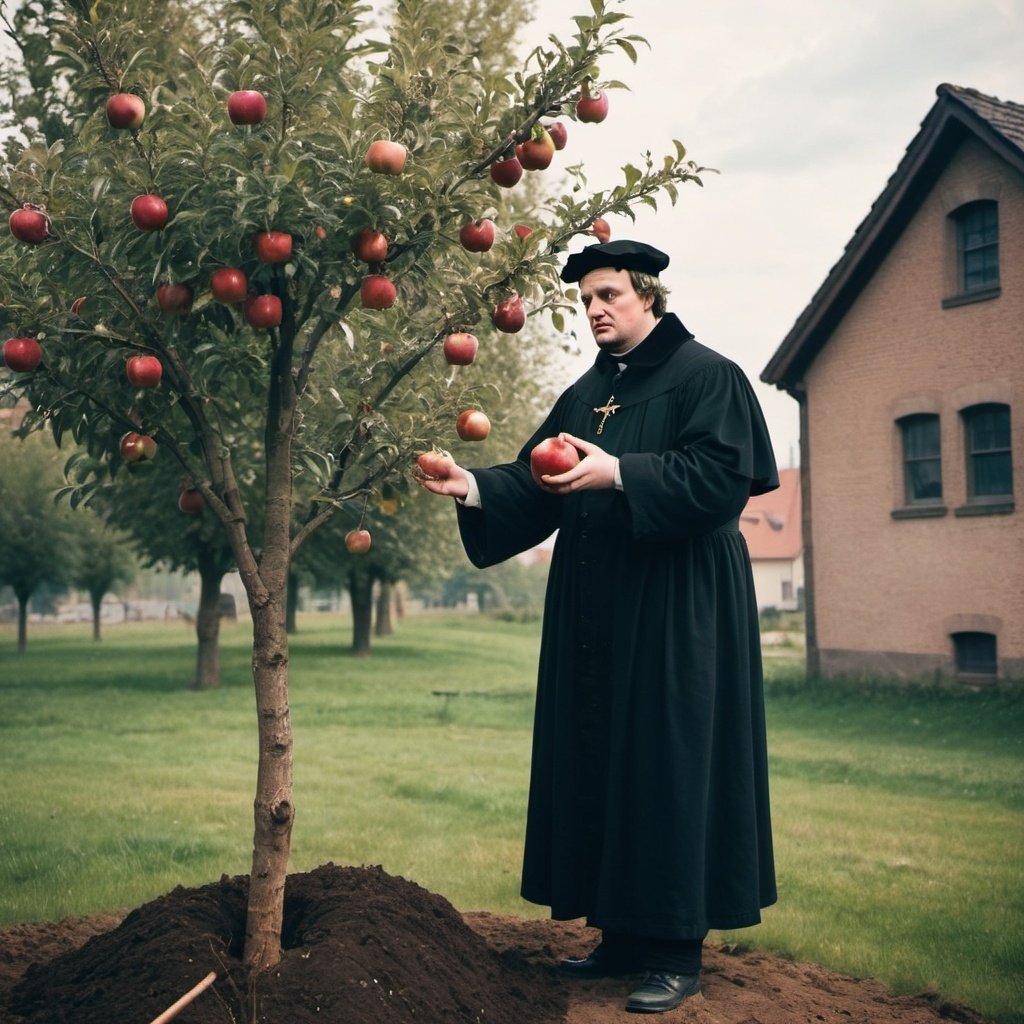
Even if I knew that tomorrow the world would go to pieces, I would still plant my apple tree.

Martin Luther (I LOVE MY ROTARY CLUB)

TODAY’S WORD: Life Lessons from Psalm 78: Reflecting, Learning, Sharing

HIGH FIVE!

The image that I have shared with you references Psalm 78 from the Bible. This Psalm is a significant passage that reflects on the history of Israel, emphasizing the importance of remembering God’s deeds and teachings. Here are some key themes and how you might relate them to your life:

Key Themes of Psalm 78:

  1. Historical Reflection: Psalm 78 recounts the history of Israel, highlighting God’s faithfulness and the people’s repeated disobedience12.
  2. Lessons from the Past: It underscores the importance of learning from past mistakes to avoid repeating them3.
  3. God’s Mercy and Patience: Despite the people’s rebellion, God remains merciful and patient, offering guidance and redemption3.
  4. Teaching Future Generations: The Psalm stresses the need to pass on these lessons and the knowledge of God’s works to future generations12.

Relating Psalm 78 to Your Life:

  1. Reflect on Your History: Consider your own life experiences and how you have seen faithfulness and guidance in your journey. Reflecting on past challenges and victories can provide valuable lessons.
  2. Learn from Mistakes: Just as the Psalm encourages learning from Israel’s mistakes, you can apply this by acknowledging your own missteps and striving to grow from them.
  3. Embrace Mercy and Patience: Recognize the moments when you have received mercy and patience, whether from others or in your spiritual journey. This can inspire you to extend the same to others.
  4. Share Your Story: Like the Psalmist, share your experiences and the lessons you’ve learned with others, especially younger generations. This can help them navigate their own paths with wisdom and faith.

By reflecting on these themes, you can find ways to integrate the teachings of Psalm 78 into your daily life, fostering a deeper understanding and connection to your faith.

TODAY’S WORD: Isaiah 25:6-10 – Hope, Comfort, and Celebration of Life

HIGH FIVE!

Isaiah 25:6-10 is a powerful passage that speaks of a future time when God will prepare a grand feast for all people, symbolizing divine provision, joy, and the ultimate victory over death and sorrow. Here’s a brief summary and its significance:

Summary of Isaiah 25:6-10

  • Verse 6: God will prepare a lavish banquet for all nations on Mount Zion, featuring the finest foods and wines.
  • Verse 7: God will destroy the shroud that enfolds all peoples, the sheet that covers all nations.
  • Verse 8: God will swallow up death forever, wipe away all tears, and remove the disgrace of His people from the earth.
  • Verse 9: People will proclaim their trust in God, rejoicing in His salvation.
  • Verse 10: The hand of the Lord will rest on this mountain, symbolizing His protection and blessing.

Significance and How to Relate It to Your Life

  1. Hope and Comfort: This passage offers hope that God will ultimately triumph over death and sorrow. In times of personal grief or hardship, you can find comfort in the promise that God will wipe away all tears and remove all disgrace.
  2. Faith and Trust: The proclamation of trust in God (verse 9) encourages you to place your faith in Him, especially during challenging times. Trusting in God’s plan can provide strength and resilience.
  3. Celebration of Life: The imagery of a grand feast symbolizes joy and abundance. It reminds you to celebrate the blessings in your life and to share joy with others.
  4. Community and Inclusion: The feast is prepared for all nations, highlighting the inclusivity of God’s love. This can inspire you to embrace and support a diverse community, fostering unity and compassion.

Reflecting on these themes can help you find deeper meaning and purpose in your daily life. How do you find hope and comfort in your faith?

The Power of Community Support and Prayer in Journey: Romans 15:22-33 Insights

HIGH FIVE!

The text “Romans 15:22-33” refers to a passage in the Bible where the Apostle Paul discusses his travel plans and requests prayers for his journey. Here are some key points and how you might relate them to your life:

  1. Paul’s Mission and Delays:
  2. Request for Prayers:
  3. Unity and Support:
  4. Generosity and Service:

To relate this passage to your life, consider how you can prioritize your responsibilities, seek support from your community, foster unity, and be generous in your actions. Reflect on your own journey and how you can align your actions with your values and mission.

Is there a specific aspect of this passage that resonates with you or that you’d like to explore further?