
TODAY’S WORD: Learning from Jesus: The Power of Service in Mark 10:35-45

HIGH FIVE!

The text in the image refers to Mark 10:35-45 from the Bible. This passage is significant because it highlights the themes of service and humility. In these verses, James and John, two of Jesus’ disciples, ask for positions of honor in Jesus’ glory. Jesus responds by teaching that true greatness comes from serving others, not from seeking power or status.

Here are some key points from this passage:

  1. Request for Honor: James and John ask Jesus to grant them seats at his right and left in his glory.
  2. Jesus’ Response: Jesus explains that they do not understand what they are asking. He speaks of the “cup” he must drink and the “baptism” he must undergo, referring to his impending suffering and death.
  3. Teaching on Service: Jesus contrasts the worldly view of power with the kingdom of God, where greatness is measured by one’s willingness to serve others. He emphasizes that he came to serve and to give his life as a ransom for many12.

To relate this passage to your life, consider these reflections:

  • Embrace Humility: Instead of seeking recognition or power, focus on how you can serve others in your daily life.
  • Selflessness: Look for opportunities to help those around you, even in small ways. Acts of kindness and service can have a profound impact.
  • Follow Jesus’ Example: Reflect on how Jesus lived a life of service and sacrifice. Strive to emulate his example in your interactions with others.

NO WORD TODAY (just a story): Transforming the Workplace: The Magic of Soft Skills at Harmony Inc.

HIGH FIVE!

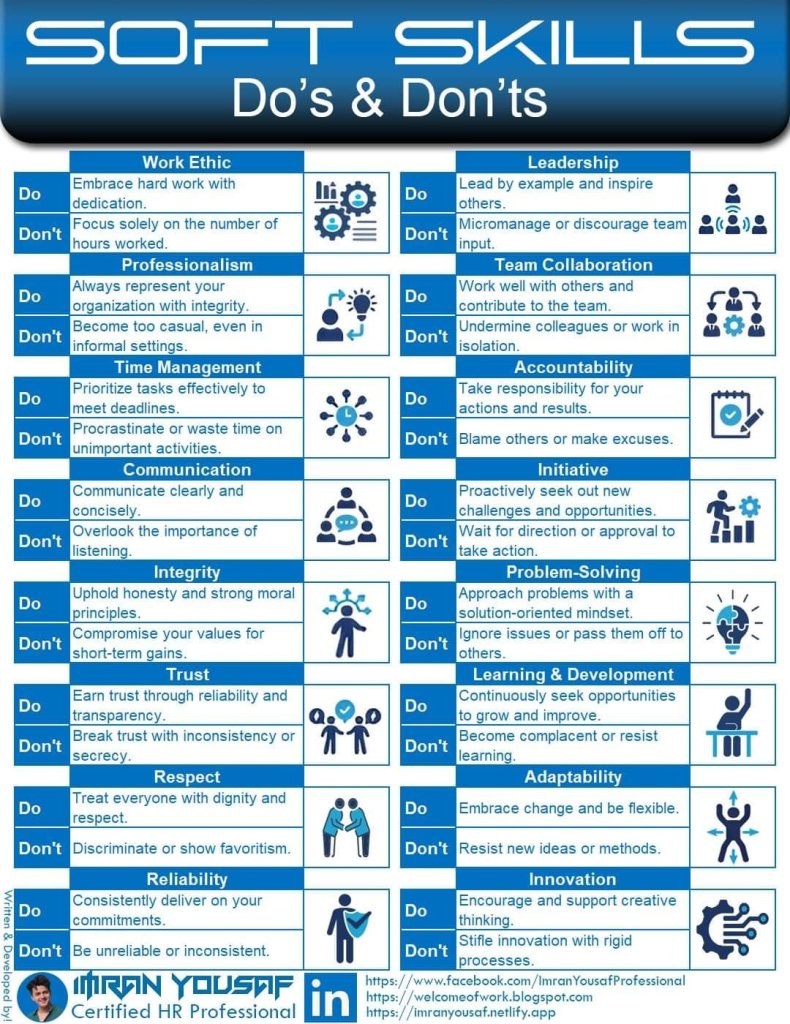
In the bustling city of Progressville, there was a unique office known as Harmony Inc. This wasn’t just any office; it was a place where the magic of soft skills transformed the workplace into a haven of productivity and positivity.

Every morning, the employees of Harmony Inc. arrived with a sense of purpose. They embraced hard work with dedication, always representing their organization with integrity. In the heart of the office, a team of professionals collaborated seamlessly, each member contributing their unique strengths. They communicated clearly and concisely, ensuring that every voice was heard and valued.

One day, a challenging project landed on their desks. The team knew that success required more than just technical skills; it demanded accountability, time management, and a proactive approach. They prioritized tasks effectively, meeting deadlines with ease. When obstacles arose, they approached problems with a solution-oriented mindset, never compromising their values for short-term gains.

Leading by example, the managers inspired their teams to take initiative and seek out new challenges. They fostered an environment of trust through reliability and transparency, encouraging continuous learning and development. The office buzzed with creativity as employees embraced change and adapted to new ideas.

In this harmonious environment, respect was paramount. Everyone treated each other with dignity, embracing diversity and fostering a culture of inclusion. The team at Harmony Inc. consistently delivered on their commitments, supporting and encouraging innovative thinking.

As the project reached its successful conclusion, the employees of Harmony Inc. celebrated not just their achievement, but the journey they had taken together. They knew that their success was built on the foundation of strong soft skills, and they were ready to tackle any challenge that came their way.

And so, in the city of Progressville, Harmony Inc. continued to thrive, a shining example of what could be achieved when people worked together with integrity, respect, and a shared commitment to excellence.

GOING TO THAT SERVICE ON SUNDAY (let’s go2 the Old Press Building Today)

TODAY’S WORD: Divine Intervention and Resourcefulness: Lessons from 2 Kings 4:38-41

HIGH FIVE!

The text on the bag references 2 Kings 4:38-41, a passage from the Bible. This passage tells the story of the prophet Elisha, who miraculously purifies a pot of poisonous stew with flour, making it safe to eat during a time of famine.

Significance of the Text

This story highlights several key themes:

  1. Divine Intervention: It shows how faith and divine intervention can transform harmful situations into beneficial ones.
  2. Resourcefulness: Elisha uses a simple, everyday item (flour) to solve a serious problem, emphasizing the importance of resourcefulness and creativity.
  3. Hope and Provision: Even in times of scarcity, there is hope and provision through faith and wisdom.

Relating It to Your Life

You can draw inspiration from this passage in various ways:

  • Transforming Challenges: Just as Elisha transformed the poisonous stew, you can look for ways to turn negative situations into positive outcomes. This might involve seeking creative solutions or relying on your faith and inner strength.
  • Resourcefulness: Use the resources you have at hand, no matter how simple they may seem, to address challenges in your life.
  • Hope and Faith: Maintain hope and trust that solutions will come, even in difficult times. This can provide comfort and motivation to keep moving forward.

Reflecting on this passage can encourage you to see potential and possibilities in every situation, no matter how dire it may seem. 

TODAY’S WORD: Living in Harmony: Practicing Humility, Patience, and Thankfulness

HIGH FIVE!

The text from Colossians 3:12-17 emphasizes virtues such as compassion, kindness, humility, gentleness, patience, forgiveness, and love. It also encourages letting peace rule in your heart and being thankful. Here’s a brief breakdown of its significance and how you can relate it to your life:

  1. Compassion and Kindness: These virtues encourage us to be empathetic and considerate towards others. You can practice this by helping those in need and showing kindness in your daily interactions.
  2. Humility and Gentleness: These qualities remind us to be humble and gentle in our approach to others. This can be applied by listening more and speaking less, and by treating everyone with respect.
  3. Patience and Forgiveness: These virtues are about being patient with others and forgiving their mistakes. You can incorporate this by being more understanding and letting go of grudges.
  4. Love: Love is described as the virtue that binds all others together. You can practice love by showing care and concern for others, and by building strong, positive relationships.
  5. Peace and Thankfulness: Letting peace rule in your heart and being thankful can lead to a more content and harmonious life. You can practice this by finding inner peace through meditation or prayer, and by expressing gratitude for the good things in your life.

Reflecting on these virtues and striving to embody them can help you lead a more fulfilling and harmonious life. How do you think you might start incorporating these virtues into your daily routine?

TODAY’S WORD: John 20:1-18 – Significance, Faith, and New Beginnings

HIGH FIVE!

The text “John 20:1-18” refers to a passage in the Bible that describes the discovery of Jesus’ empty tomb and His resurrection. This event is central to Christian faith as it signifies Jesus’ victory over death and the promise of eternal life.

Significance of John 20:1-18

  1. Resurrection: This passage highlights the resurrection of Jesus, which is a cornerstone of Christian belief. It symbolizes hope, renewal, and the triumph of life over death1.
  2. Faith and Witness: Mary Magdalene’s encounter with the risen Jesus emphasizes the importance of faith and being a witness to God’s works. Despite her troubled past, she was chosen to be the first to see Jesus after His resurrection1.
  3. New Beginnings: The resurrection marks the beginning of a new era of life, not just in the afterlife, but a life filled with purpose, hope, and wholeness that starts now and extends into eternity2.

Relating It to Your Life

  1. Hope in Difficult Times: Just as Jesus overcame death, you can find hope and strength to overcome challenges in your life. This passage can remind you that difficult times are temporary and renewal is possible.
  2. Faith and Trust: Like Mary Magdalene, you can find inspiration to strengthen your faith and trust in God’s plan, even when things seem uncertain or challenging.
  3. New Beginnings: Embrace the idea of new beginnings and personal growth. Reflect on areas in your life where you can start anew, whether it’s in relationships, career, or personal goals.

TODAY’S WORD: Valuing Every Individual: lessons from LUKE 15:1-7 | Compassion, Mercy, and Joy

HIGH FIVE!

The text “LUKE 15:1-7” to the Parable of the Lost Sheep from the Bible. In this parable, Jesus tells the story of a shepherd who leaves his ninety-nine sheep to find the one that is lost. When he finds it, he rejoices more over that one sheep than over the ninety-nine that did not go astray.

Significance of the Text

This parable highlights several important themes:

  1. Individual Worth: Every person is valuable and worthy of care and attention, no matter how lost or insignificant they may feel.
  2. Compassion and Mercy: It emphasizes the importance of showing compassion and mercy to those who have gone astray or are in need.
  3. Joy in Redemption: There is great joy in bringing someone back to the right path or helping them find their way.

Relating It to Your Life

You can relate this parable to your life in various ways:

  • Valuing Others: Recognize the worth of every individual in your life, whether they are close to you or not. Show kindness and understanding, especially to those who may feel lost or marginalized.
  • Offering Help: Be willing to go out of your way to help someone in need, just as the shepherd did. Your efforts can make a significant difference in someone’s life.
  • Finding Joy in Small Victories: Celebrate the small victories and positive changes in your life and the lives of others. These moments of redemption and growth are worth rejoicing over.

Reflecting on this parable can inspire you to be more compassionate and attentive to the needs of those around you.

TODAY’S WORD: Divine Intervention and Blessing: Zechariah 9:14-10:2 Explained

HIGH FIVE!

The text on the bench refers to Zechariah 9:14-10:2. This passage from the Bible contains prophecies and promises of God’s intervention and blessings for His people. Here’s a brief summary of the key themes:

  1. Divine Intervention: Zechariah 9:14 speaks of the Lord appearing over His people, with His arrow going forth like lightning. This symbolizes God’s powerful and timely intervention in the lives of His followers1.
  2. Restoration and Blessing: Zechariah 10:1-2 talks about asking the Lord for rain in the springtime, symbolizing blessings and restoration. It also warns against false idols and diviners who lead people astray2.

Relating It to Your Life

  1. Trust in Divine Timing: Just as the passage speaks of God’s intervention at the right time, you can find comfort in trusting that things will happen in your life according to a divine plan. Reflect on moments when patience and faith have brought positive outcomes.
  2. Seek True Guidance: The warning against false idols can be a reminder to seek genuine and trustworthy sources of guidance in your life. This could mean relying on your faith, trusted mentors, or inner wisdom rather than misleading influences.
  3. Hope and Renewal: The promise of rain and blessings can inspire you to remain hopeful and open to new opportunities and growth, even during challenging times.

How do these themes resonate with your current life experiences?

TODAY’S WORD: Embrace Thankfulness and Peace with Psalm 100 Insights

HIGH FIVE!

Psalm 100 is a beautiful and uplifting chapter from the Book of Psalms in the Bible. It is often referred to as a “Psalm of Thanksgiving” and is unique in its call for all people to praise and worship God joyfully. Here are some key themes and how you might relate them to your life:

Significance of Psalm 100

  1. Joyful Praise: The psalm begins with a call to make a joyful noise to the Lord and to serve Him with gladness. This emphasizes the importance of approaching God with a joyful heart and a spirit of gratitude.
  2. Acknowledgment of God’s Sovereignty: It reminds us that the Lord is God, and it is He who made us. This recognition of God’s sovereignty can help us find peace and purpose, knowing that we are part of His creation.
  3. Gratitude and Thanksgiving: The psalm encourages entering God’s presence with thanksgiving and praise. This can inspire us to cultivate a habit of gratitude in our daily lives, recognizing and appreciating the blessings we have.
  4. God’s Eternal Goodness: It highlights God’s enduring love and faithfulness across all generations. This assurance of God’s unchanging nature can provide comfort and hope, especially during challenging times.

Relating Psalm 100 to Your Life

  • Practice Gratitude: Start each day by listing things you are thankful for. This can help shift your focus from challenges to blessings.
  • Joyful Service: Approach your daily tasks and interactions with a positive attitude, seeing them as opportunities to serve others and God with gladness.
  • Acknowledge God’s Role: Reflect on how God’s presence and guidance have shaped your life. This can deepen your sense of purpose and connection to your faith.
  • Celebrate God’s Goodness: Make time for worship and praise, whether through singing, prayer, or other forms of expression. This can strengthen your spiritual life and bring joy to your heart.

By incorporating these themes into your life, you can find greater joy, purpose, and peace, much like the psalmist intended for all who read and reflect on Psalm 100123.

How do you feel about these themes? Do any of them resonate with you personally?

NO WORD TODAY (Improving Leadership Skills with Toastmasters)

The Toastmasters Journey

Emma had always been a bit nervous about public speaking. She knew it was an essential skill, especially for her career aspirations, but the thought of standing in front of a crowd made her palms sweat. One day, her friend Jake suggested she attend a Toastmasters meeting. “It’s a great way to improve your speaking skills and build leadership qualities,” he said.

Curious and a bit apprehensive, Emma decided to give it a try. She walked into the meeting room, greeted by friendly faces and a welcoming atmosphere. The meeting began with the President of the club, Sarah, who opened with a warm introduction and an inspiring quote about the power of communication.

As the meeting progressed, Emma observed various roles being played by the members. There was the Toastmaster of the Day, who smoothly guided the meeting, ensuring everything ran on time. The Table Topics Master challenged members with impromptu speaking exercises, encouraging quick thinking and creativity. The General Evaluator provided constructive feedback, highlighting strengths and areas for improvement.

Emma was particularly impressed by the leadership roles within the club. She saw how the President led with confidence and empathy, ensuring everyone felt included and valued. The Vice President of Education worked diligently to help members set and achieve their personal goals. The Sergeant at Arms maintained order and logistics, ensuring the meeting environment was conducive to learning.

By the end of the meeting, Emma felt inspired. She realized that Toastmasters was not just about public speaking; it was a platform for developing a wide range of leadership skills. She saw how members learned to:

  1. Communicate Effectively: Through prepared speeches and impromptu speaking, members honed their ability to convey ideas clearly and persuasively.
  2. Provide Constructive Feedback: Evaluating speeches helped members develop the skill of giving and receiving feedback, crucial for personal and professional growth.
  3. Lead with Confidence: Taking on various roles within the club allowed members to practice leadership in a supportive environment.
  4. Manage Time Efficiently: The structured nature of the meetings taught members the importance of time management and staying on schedule.
  5. Collaborate and Support: The sense of community fostered teamwork and mutual support, essential for any leadership role.

Emma decided to join the club, excited about the journey ahead. She knew that with each meeting, she would not only become a better speaker but also a more effective leader.

“The way we communicate with others and with ourselves ultimately determines the quality of our lives.” – Tony Robbins

TODAY’S WORD: Transformative Encounters: Lessons of Faith and Spiritual Vision

Subscribe to continue reading

Subscribe to get access to the rest of this post and other subscriber-only content.