

HIGH FIVE! (get that clarity)
📘 PSALM 150 — TEACH ME (NUMBERED BULLET FORMAT)
1. Psalm 150 is the grand finale of the entire Psalms
- It closes the book with a command, not a suggestion: Praise the LORD.
- After 149 chapters of lament, struggle, victory, confession, and worship, the final word is praise.
- This teaches you that no matter the journey, the destination is worship.
2. It expands praise from a place to the entire universe
- “Praise God in His sanctuary” → earthly worship.
- “Praise Him in His mighty heavens” → heavenly worship.
- The point: praise is cosmic.
- Your praise joins a chorus bigger than you, bigger than your day, bigger than your circumstances.
3. It gives you the why behind praise
- “For His mighty acts” → what God has done.
- “According to His excellent greatness” → who God is.
- Praise is rooted in memory (His acts) and identity (His character).
- When you forget why you praise, you lose your strength. Psalm 150 resets that.
4. It teaches that praise is expressive, not passive
- Trumpet
- Harp
- Lyre
- Tambourine
- Strings
- Pipe
- Cymbals (loud ones!)
This is not quiet, polite worship. This is full‑bodied, creative, joyful, unrestrained praise.
Your leadership, your work, your service — all of it becomes an instrument.
5. It shows that every gift can become worship
- Instruments represent skills.
- Rhythm represents discipline.
- Harmony represents unity.
- Volume represents boldness.
Psalm 150 says: Whatever God put in your hands — use it to glorify Him.
6. It widens the circle to include every living being
- “Let everything that has breath praise the LORD.”
- If you’re breathing, you’re called to worship.
- Breath is both a gift and a responsibility.
This is why your mornings matter — your first breath of the day is already an invitation.
7. It models how to end your day, your week, your season
Psalm 150 ends the Psalms the way you should end your moments: Not with worry. Not with fear. Not with frustration. But with praise.
Praise is the reset button. Praise is the perspective shifter. Praise is the leadership anchor.
8. It teaches that praise is your spiritual posture
- Praise lifts your eyes.
- Praise breaks heaviness.
- Praise restores clarity.
- Praise aligns your heart with God’s greatness, not your limitations.
This is why you start your mornings with Scripture — it tunes your spirit like an instrument.
9. It reminds you that praise is your destiny
The Psalms begin with meditation (Psalm 1) and end with praise (Psalm 150).
Your journey is the same: Rooted in the Word, ending in worship.
10. The final line is the final command
“Praise the LORD.” It’s not a conclusion — it’s a launching point. It sends you into your day with clarity and purpose.
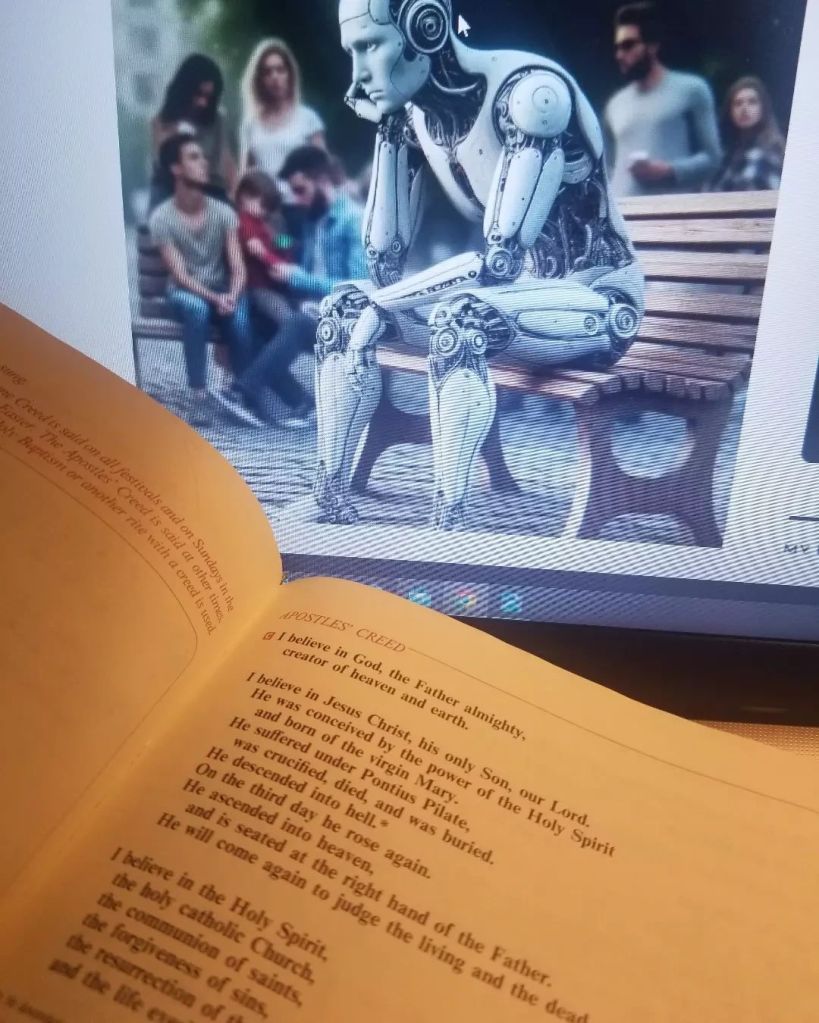
Thank you… unfortunately, I do not have a lot of time to talk to you this morning. I am going to work. (MAN… IT TOOK FOREVER FOR MY COMPUTER TO BOOT UP THIS MORNING!)

| Section | Content |
|---|---|
| Core Theme | The universal, unrestrained, all‑encompassing praise of God. Psalm 150 is the climax of the Psalms, ending the entire book with a call for every creature and every instrument to praise the LORD. |
| Where It Happens | In the sanctuary, in the mighty heavens, and symbolically across all creation. Praise is not confined to a place — it fills heaven and earth. |
| Why Praise Is Commanded | Because of God’s mighty acts, His excellent greatness, and His unmatched power and character. Praise is the only fitting response to who God is and what He has done. |
| How Praise Is Expressed | Through a full orchestra of instruments — trumpet, harp, lyre, tambourine, strings, pipe, cymbals — representing every gift, every voice, every creative expression offered back to God. |
| Who Is Called to Praise | “Let everything that has breath” — meaning all humanity, all creation, every living being. No one is exempt from the call to worship. |
| Spiritual Significance | Psalm 150 teaches that praise is not optional; it is the destiny of creation. It is the proper end of prayer, lament, struggle, and victory. The Psalms begin with meditation (Psalm 1) and end with pure praise — showing the journey of the believer. |
| Leadership & Personal Application | Praise resets the heart, restores perspective, and anchors leadership in humility and joy. It reminds leaders to celebrate God’s work publicly and boldly, using every resource and talent for His glory. |
| Connection to the Whole Psalter | Psalms 146–150 form a “Hallelujah chorus,” but Psalm 150 is the final crescendo — the ultimate conclusion of Israel’s worship book. It ends not with a request, but with a command: Praise the LORD. |
| Key Takeaway for Today | Praise is your weapon, your grounding, your reset. When life is heavy or unclear, Psalm 150 pulls you upward — reminding you that your breath itself is a reason to worship. |
YOU KNOW IT.
(THANKS BE TO GOD)


