

HIGH FIVE! (Beautiful day to mow before work… after church)

Psalm 80 is a national lament asking God to restore, revive, and shine His favor again on a broken, disciplined, and desperate Israel. It is a cry for divine intervention from a people who know they cannot fix themselves.
🌿 What Psalm 80 means at its core
Psalm 80 is a communal prayer written by Asaph during a time of national crisis. Israel—especially the northern tribes (Ephraim, Manasseh, Benjamin)—is suffering under foreign oppression, likely before the Assyrian invasion. The psalmist pleads with God as Shepherd, Vinedresser, and Savior to return and restore His people.
Three times the refrain appears:
“Restore us… let Your face shine, that we may be saved.” (vv. 3, 7, 19)
This repetition shows the heart of the psalm: revival through God’s presence.
🧭 Key Themes (Grounded in the text and scholarship)
1. God as the Shepherd of Israel
The psalm opens by calling God the Shepherd of Israel, a rare title used only here and in Psalm 23. This emphasizes His tender leadership and covenant care.
2. A Cry for National Restoration
Israel is experiencing humiliation, tears, and enemy mockery. The psalmist recognizes this suffering as divine discipline and pleads for God to turn back toward His people.
3. Israel as God’s Vine
The central metaphor:
- God brought a vine out of Egypt,
- planted it,
- cleared the ground,
- and it flourished—filling the land. But now the vine is ravaged, burned, and broken. This symbolizes Israel’s spiritual decline and vulnerability without God’s protection.
4. The Need for God’s Face to Shine Again
“Let Your face shine” is covenant language—asking for God’s favor, presence, and blessing (echoing Numbers 6:24–26). It is the psalm’s heartbeat: revival comes only when God turns His face toward His people again.
5. Hope in a Future Deliverer
Verse 17 speaks of “the man of Your right hand” and “the son of man You made strong.” Many scholars see this as:
- the king of Israel,
- a messianic foreshadowing,
- or a plea for God to raise up a deliverer. It points forward to God’s long-term plan for restoration.
🔥 Why Psalm 80 matters for you today
Psalm 80 speaks to seasons when:
- You feel spiritually dry
- Your community or family is struggling
- You’ve experienced consequences of poor decisions
- You long for God to revive what feels broken
Its message is simple and powerful:
Restoration is impossible without God’s presence. Revival begins with returning to the Shepherd.
🔹 Psalm 80 — Revelation‑12–Style Significance Table
| Element | What Happens / What It Means | Why It Matters Spiritually |
|---|---|---|
| God as Shepherd (v.1) | Israel appeals to God’s leadership and covenant care | Reminds us that restoration begins by returning to God’s guidance |
| Shining Face Refrain (vv.3,7,19) | Repeated plea for God’s favor and presence | Revival is impossible without God’s active nearness |
| Bread of Tears (v.5) | Israel experiences deep sorrow and divine discipline | God sometimes allows pain to draw His people back to Him |
| Enemy Mockery (v.6) | Surrounding nations ridicule Israel’s downfall | Spiritual decline always affects public witness |
| The Vine Metaphor (vv.8–13) | Israel was planted, nurtured, and expanded by God but is now broken | Flourishing depends entirely on remaining under God’s protection |
| Broken Walls (v.12) | God has removed His hedge of protection | Sin and rebellion create vulnerability to spiritual attack |
| Boar and Wild Beasts (v.13) | Imagery of destruction and chaos consuming the vine | Without God’s covering, life becomes unmanageable and exposed |
| Return, O God (v.14) | Direct plea for God to intervene and look upon His people again | Restoration begins with God turning His attention toward us |
| Man of Your Right Hand (v.17) | A chosen figure strengthened by God to lead restoration | Points forward to God’s long‑term plan of deliverance (messianic echo) |
| Final Plea for Restoration (v.19) | The psalm ends with hope but not resolution | Faith holds on even when circumstances haven’t changed yet |
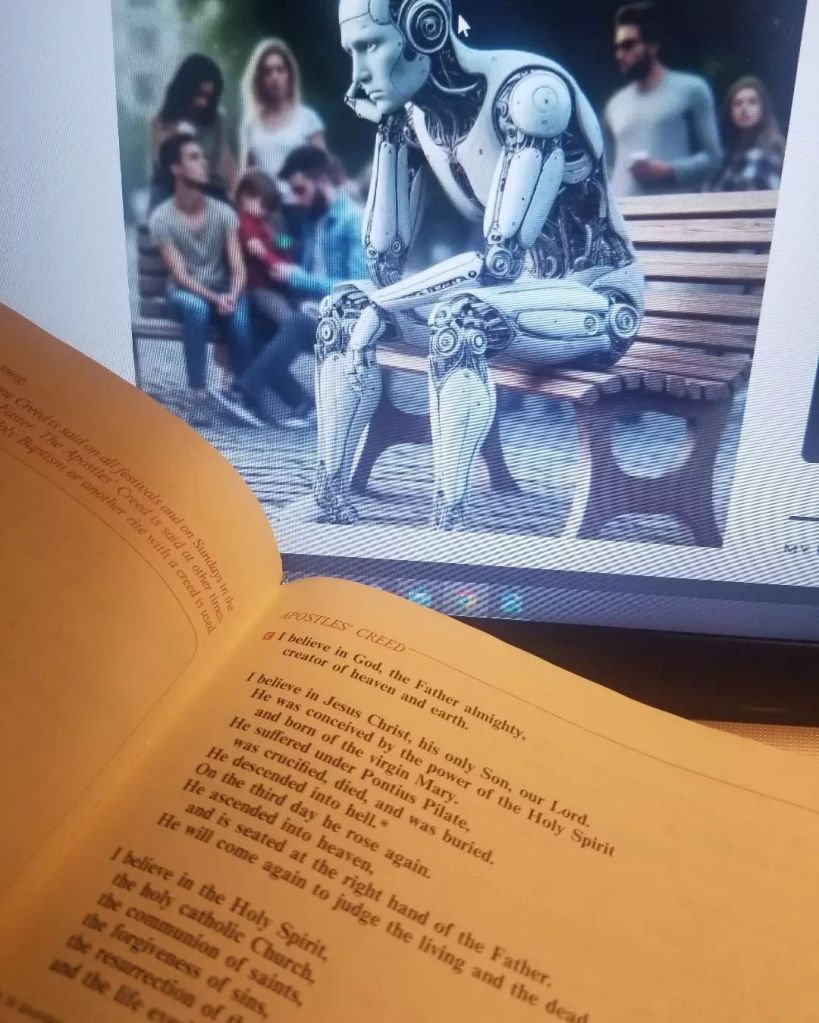
YEAH! (Thanks… now… let’s write)
LET’S GO2 CHURCH.

(THANKS BE TO GOD)

