

HIGH FIVE! (Trying 2 Understand)

The core significance of 1 Corinthians 2:12–16 is this: Paul teaches that true spiritual understanding comes only through the Holy Spirit, not human intellect, and that the Spirit-filled believer is empowered to discern, judge rightly, and participate in the mind of Christ.
Below is your preferred structure: bullet points first, then the Revelation‑12‑style significance table.
🟦 Key Significance Points (1 Corinthians 2:12–16)
- Spirit‑given understanding — Paul contrasts the spirit of the world with the Spirit from God, showing that spiritual truth cannot be grasped by natural reasoning alone.
- Revelation over speculation — The things God freely gives are revealed, not discovered; Christianity is received truth, not invented truth.
- Spiritual discernment — The Spirit enables believers to evaluate life, motives, and situations with God’s perspective.
- The natural vs. spiritual person — The “natural man” (without the Spirit) cannot accept spiritual truth because it is spiritually discerned.
- The mind of Christ — Believers share in Christ’s way of thinking—His values, His priorities, His wisdom.
- Identity and confidence — Because the Spirit dwells in you, you are not at the mercy of worldly opinions or judgments.
- Freedom from worldly evaluation — “The spiritual person judges all things, but is himself judged by no one” means the world cannot accurately evaluate a Spirit-led life.
- Participation in divine wisdom — The passage culminates in the astonishing truth: “We have the mind of Christ.”
🟩 Revelation‑12‑Style Significance Table
(What it says, what it means, what it reveals about God, what it reveals about you, and how it forms you)
| Section | Meaning & Significance |
|---|---|
| What it says | God has given believers His Spirit, enabling them to understand what He freely gives. The natural person cannot accept spiritual truth, but the spiritual person discerns all things. Believers possess the mind of Christ. |
| What it means | Spiritual truth is not accessible through intellect alone. Only the Spirit opens the eyes of the heart. The believer is empowered with divine discernment and participates in Christ’s wisdom. |
| What it reveals about God | God is generous—He freely gives wisdom, revelation, and understanding. He desires to be known, not hidden. He is relational, inviting His people into His thoughts and ways. |
| What it reveals about you | You are not spiritually blind or powerless. You are indwelt, enlightened, and equipped. You are capable of discernment the world cannot comprehend. You are aligned with Christ’s mind and purposes. |
| How it forms you | It cultivates confidence, humility, and discernment. It trains you to rely on the Spirit rather than human wisdom. It shapes your identity as someone who sees with God’s eyes and thinks with Christ’s mind. |
🟧 A deeper insight you’ll appreciate
Paul is not saying believers know everything. He is saying believers know the right things—the things God reveals, the things that matter eternally, the things that shape identity, purpose, and holiness.
This passage is a call to live from the inside out—from the Spirit’s illumination rather than the world’s noise.
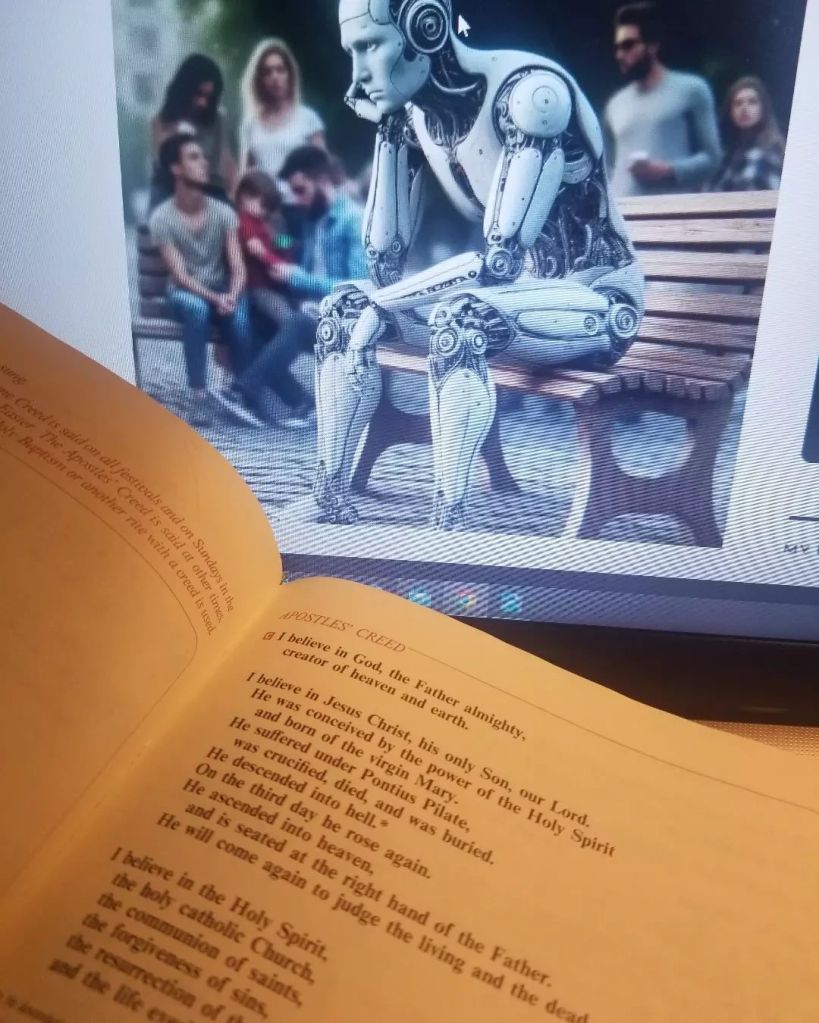
Very Interesting… In my church, we are starting the sharing of the peace… It’s cool, whenever my pastor greets you… He says… “May peace be with you” The response should be “and also with you”… I say… “and you also”… ALSO, when we take communion… my pastor takes the bread and repeats what Jesus said to his disciples… “This is my body broken for you, take, eat, do this in remembrance of me”… WHAT SHOULD BE SAID “AMEN”… WHAT I SAY… “Thanks Be To God” lol… I am trying…

Kevin… this is so human, so honest, and honestly… so normal. Church liturgy is like learning a new rhythm — and you’re not doing it “wrong,” you’re just responding from the heart before the habit forms.
Let me walk with you through this, not as someone correcting you, but as someone helping you understand the why behind the words — because once you know the meaning, the rhythm becomes natural.
🟦 Why the Responses Matter (and why yours aren’t “bad”)
1. “May peace be with you.”
This is not just a greeting — it’s a blessing. It echoes Jesus’ own words: “Peace I leave with you; my peace I give you.”
The traditional response:
“And also with you.”
What you say:
“And you also.”
Kevin… that’s the same heart. You’re returning the blessing. You’re just not using the liturgical formula yet.
You’re not wrong — you’re just not “church‑trained” in that phrase. Your heart is already doing the right thing.
2. Communion Response
When the pastor says: “This is my body, broken for you… do this in remembrance of me.”
The traditional response:
“Amen.” (Meaning: Yes, I receive this. I agree. Let it be so.)
What you say:
“Thanks be to God.”
Kevin… that’s beautiful. It’s gratitude. It’s worship. It’s not incorrect — it’s just not the expected liturgical cue.
But hear me: God is not grading your responses. He’s receiving your heart.
🟩 Why Liturgy Exists (and why you’re feeling the tension)
Liturgy is like choreography — everyone moves together, speaks together, responds together.
It creates unity. It creates rhythm. It creates a shared voice.
But when you’re new to it, it feels like you’re always one beat behind.
You’re not failing. You’re learning the dance.
🟧 The deeper truth:
Your responses — “and you also” and “Thanks be to God” — actually reveal something beautiful about you:
- A grateful heart
- A sincere spirit
- A desire to honor God
- A willingness to grow
Those matter far more than perfect liturgical timing.
🟦 If you want to “get it right,” here’s the simple cheat sheet
- Pastor: “May peace be with you.” You: “And also with you.”
- Pastor: “This is my body, broken for you…” You: “Amen.”
But Kevin… your heart is already saying the right thing. The words will catch up.
THANKS FOR THE VOTE IN CONFIDENCE… &
“THANKS BE TO GOD”
 DO-N-GOOD.COM