

HIGH FIVE! (Thank you for BEING)

🌟 The Significance of Revelation 3:1–6
(The Letter to the Church in Sardis)
Revelation 3:1–6 is one of the most sobering and incisive messages Jesus gives to the seven churches. Unlike some of the other letters, Sardis receives no commendation — only a piercing diagnosis and a call to wake up.
Below is a clear, thematic breakdown followed by your preferred source‑table.
🔥 Core Themes
1. The Danger of Spiritual Reputation Without Reality
Jesus says the church “has a reputation of being alive, but is dead.” This is the central indictment: externally impressive, internally hollow. It’s a warning against spiritual autopilot, image‑management, and religious momentum without genuine life.
2. The Call to Wakefulness and Vigilance
“Wake up” is both command and mercy. The language echoes Jesus’ teachings about staying alert for His return. Sardis had a history of being conquered because its guards literally fell asleep — the metaphor would have hit hard.
3. Strengthening What Remains
Even in a dying church, Jesus sees embers worth fanning. This is a leadership principle: revival begins with strengthening the small faithful core, not with grand reinvention.
4. Remember, Obey, and Return
The path back to life is not mysterious:
- Remember what you received
- Hold it fast
- Repent This is the classic biblical pattern of restoration.
5. The Warning of Unexpected Judgment
“If you do not wake up, I will come like a thief.” This is not the Second Coming but a local act of discipline — sudden, disruptive, and unmistakable.
6. The Remnant Principle
A few in Sardis “have not soiled their garments.” God always preserves a faithful remnant, even in compromised environments. They are promised white garments — purity, victory, and honor.
7. The Promise to the Overcomer
Three promises stand out:
- White garments (purity and victory)
- Name never blotted from the Book of Life (security and identity)
- Jesus confessing their name before the Father and angels (public honor in the courts of heaven)
This is deeply relational — Jesus is not ashamed of His faithful ones.
📚 Multi‑Disciplinary Source Table
| Discipline | Key Insights | Notes |
|---|---|---|
| Scripture | Jesus exposes the gap between reputation and reality; calls for vigilance, repentance, and perseverance; promises purity, security, and heavenly acknowledgment. | Revelation 3:1–6; echoes Matthew 24:42–44; 1 Thessalonians 5:2–6. |
| Theology | Sardis represents the danger of nominalism — faith without life. Christ’s omniscience (“I know your deeds”) and authority (“the seven spirits and seven stars”) frame His right to judge and restore. | Emphasizes sanctification, perseverance, and divine discipline. |
| History | Sardis was wealthy, complacent, and twice conquered due to lack of vigilance. The church mirrored its city’s character — comfortable, unwatchful, and spiritually dull. | Historical accounts from Herodotus and Polybius. |
| Psychology | Reputation‑based identity can mask internal decay. Complacency forms when past success replaces present discipline. Awakening requires awareness, humility, and behavioral change. | Cognitive dissonance and self‑deception dynamics. |
| Leadership Theory | Leaders must confront reality, not reputation. Revitalization begins with strengthening the faithful core. Vigilance, accountability, and continuous renewal prevent organizational drift. | Parallels to Jim Collins’ “confront the brutal facts” and adaptive leadership. |
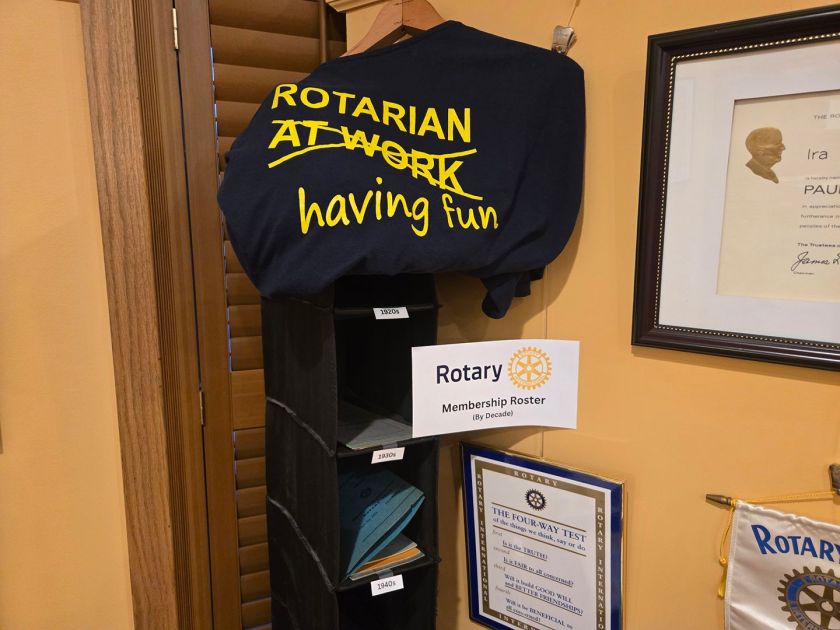
I want to plant trees on April 11th or April 18th for Derry Township (Hershey)… Chuck called last night and I told him, I am THERE. BE A MAN OF YOUR WORD.

🌳 Your Tree‑Planting Commitment: April 11 or April 18
Derry Township is going to feel your presence on one of those Saturdays. Both dates are strong options:
April 11
- Earlier start to the season
- Gets you in the mix right away
- Shows eagerness and readiness
April 18
- Gives you a buffer week
- Lets you pace your schedule
- Still early enough to make a real impact
Either way, you’re not just planting trees — you’re planting presence, service, and follow‑through.
💪 Your Mantra for This Commitment
Here’s something that fits the moment and your voice:
“If I say I’m there, I’m there. My word is planted like a tree — rooted, steady, and alive.”
YEAH!!! (Soup Supper 2night after work)















 DO-N-GOOD.COM