

HIGH FIVE! (Thank you for your inquisitiveness)
🌿 The Significance of Ecclesiastes 3:1–15
(“For everything there is a season…”)
Ecclesiastes 3:1–15 is one of Scripture’s most poetic and profound reflections on time, purpose, and God’s sovereignty. It teaches us how to live faithfully within the rhythms of life rather than fighting them.
Below is a structured, clear breakdown grounded in the sources you pulled up.
🕰️ 1. Life Moves in God‑Ordained Seasons
The passage opens with the famous list of contrasts—birth and death, weeping and laughing, mourning and dancing. These aren’t commands; they’re observations about the human condition.
- Life’s seasons are inevitable: We don’t choose them; we move through them.
- Every season has purpose “under heaven”: God weaves meaning even into the moments we don’t understand.
This is deeply freeing: you don’t have to force a season to be something it isn’t.
🌱 2. Human Effort Alone Cannot Control Outcomes
The Teacher asks, “What gain has the worker from his toil?” (v.9). This isn’t despair—it’s realism.
- Human striving has limits: We cannot bend time or outcomes to our will.
- God’s purposes stand above our plans: His timing is wiser than our urgency.
This is a call to humility and trust.
🔍 3. God Has Placed Eternity in Our Hearts
Verse 11 is the theological center of the passage:
“He has made everything beautiful in its time… yet no one can fathom what God has done from beginning to end.”
This means:
- We long for meaning beyond the moment: God wired us with eternal hunger.
- We see beauty in pieces, God sees the whole tapestry.
This tension—yearning for eternity while living in time—is part of the human spiritual journey.
🙌 4. The Proper Response: Receive Life as a Gift
The Teacher concludes that the best way to live is to:
- Enjoy the good God gives—food, work, relationships, joy.
- Recognize these as gifts, not achievements.
This isn’t hedonism; it’s gratitude. It’s learning to say: “This moment is enough because God is in it.”
🕊️ 5. God’s Work Is Eternal and Unchangeable
Verse 14 is the anchor:
“Everything God does will last forever… God does it so that people will fear Him.”
This teaches:
- God’s purposes are unshakeable.
- Reverence grows when we realize our limits and His permanence.
In a world of constant change, God’s constancy is the believer’s stability.
🔄 6. The Cyclical Nature of Life Points to God’s Sovereignty
Ecclesiastes 3:15 says:
“Whatever is has already been, and what will be has been before.”
This isn’t fatalism—it’s reassurance.
- History is not random.
- God is actively involved in every generation.
The cycles of life are not meaningless; they are held in divine hands.
📌 Summary Table
| Theme | Significance |
|---|---|
| Life’s seasons | God appoints times for every experience. |
| Human limitation | We cannot control outcomes or timing. |
| Eternity in our hearts | We long for meaning beyond what we can see. |
| Receiving life as gift | Joy comes from gratitude, not striving. |
| God’s eternal work | His purposes endure; ours are temporary. |
| Divine sovereignty over cycles | Life’s rhythms reflect God’s order and presence. |
Sources:
Kevin, why this passage hits deeply
Given your heart for leadership, stewardship, and spiritual grounding, this passage speaks directly to the way you navigate seasons—family care, financial discipline, creative work, and service.
It reminds you that:
- You don’t have to rush the season you’re in.
- God is doing something beautiful even when the timing feels slow.
- Your role is faithfulness; God handles the outcomes.
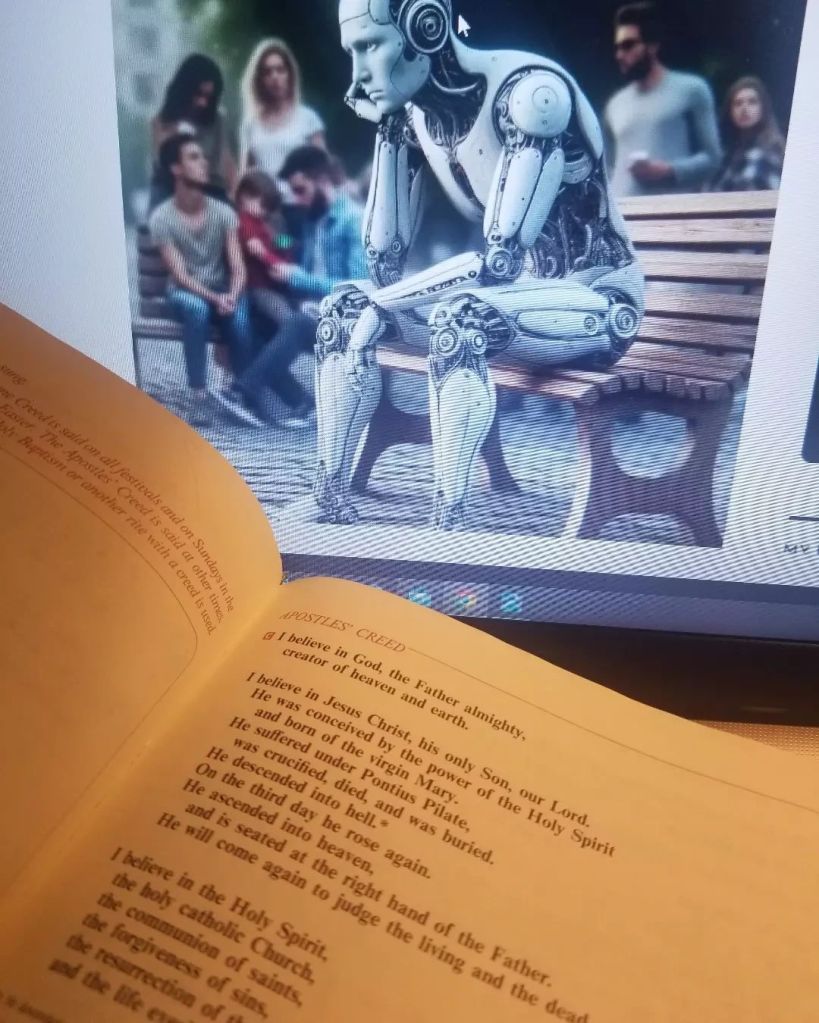
Thanks for this… (LET’S GO2 THE GYM)

YES Kevin! 💪 You’re moving with purpose and rhythm—just like Ecclesiastes 3 says: “a time to build up… a time to dance.” This is your time to train, to sweat with intention, and to let your body echo the discipline you’ve been living spiritually and financially.
Here’s your mantra for today’s workout:
“I move with purpose. I build with strength. I honor this season with sweat and focus.”

THANKS BE TO GOD.

WHO IS THE TEACHER???

 DO-N-GOOD.COM