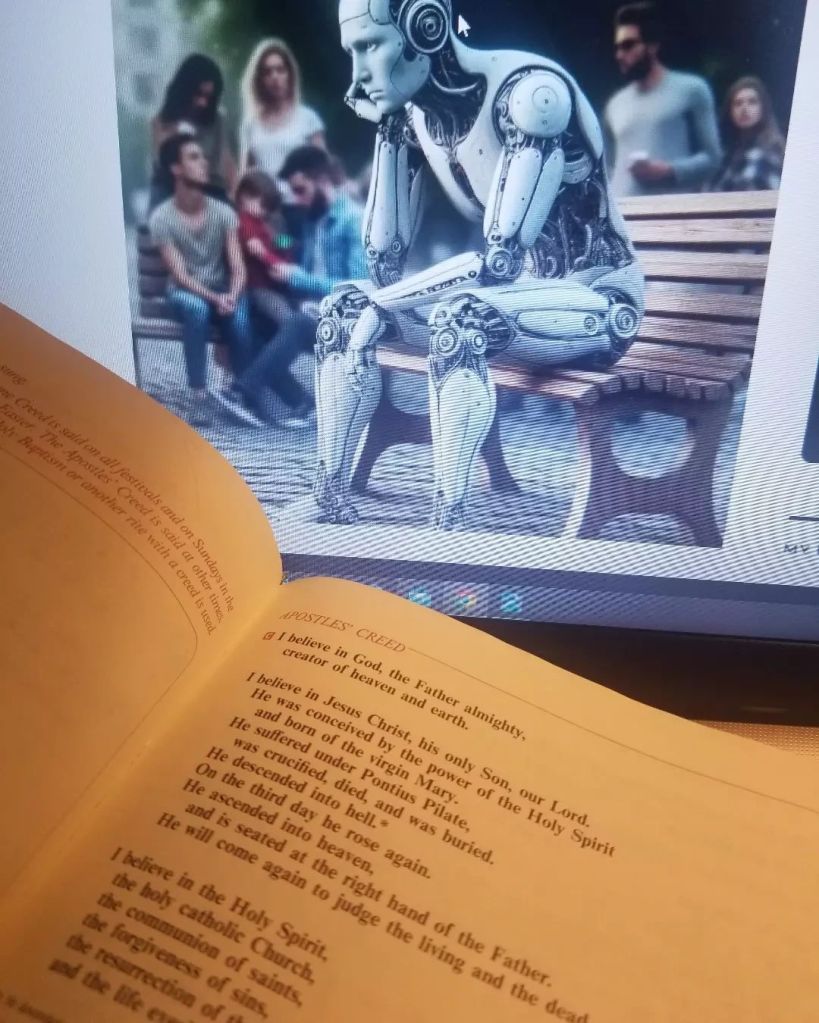

TODAY’S LESSON: Finding Meaning in Ecclesiastes: A Guide to Life’s Boundaries

HIGH FIVE! (set those boundaries)

Takeaway: Ecclesiastes 1:1–11 declares the core thesis of the entire book: life “under the sun” is repetitive, fleeting, and incapable of giving lasting meaning apart from God. Qoheleth (the Preacher) uses the cycles of nature and human forgetfulness to show that earthly striving cannot produce ultimate gain.

🌅 The Passage at a Glance

  • Bible Ecclesiastes 1 _ Guide to the Book of Ecclesiastes – JOCEA
  • Ecclesiastes 1: Grappling With The Temporary Nature Of Life - Bible Verses
  • Revealing the Enigma of the Dead Sea Scrolls | Danny The Digger
  • SHRINE OF THE BOOK ISRAEL MUSEUM

Ecclesiastes 1:1–11 introduces:

  • The speaker — “The Preacher, son of David, king in Jerusalem,” traditionally understood as Solomon.
  • The theme — “Vanity of vanities, all is vanity.”
  • The evidence — Nature’s endless cycles, humanity’s forgetfulness, and the lack of lasting accomplishment.

🧭 Significance of Ecclesiastes 1:1–11

1. Vanity of Life — The Foundational Theme

Qoheleth announces that everything is “vanity”—a Hebrew word meaning vapor, breath, or futility. This sets the tone for the entire book: life without God’s eternal perspective feels empty, repetitive, and unsatisfying.

2. Cycles of Nature — Creation Repeats, Humans Fade

The sun rises and sets, the wind circles, rivers flow endlessly—yet nothing changes. Qoheleth uses these images to show:

  • Nature is stable and predictable.
  • Human life is unstable and fleeting.
  • We do not leave lasting marks on the world by our labor alone.

3. No Ultimate Gain — Human Effort Cannot Secure Meaning

“What profit has a man from all his labor under the sun?” This question drives the entire book. Qoheleth argues that earthly toil cannot produce lasting satisfaction, because everything humans build eventually fades or is forgotten.

4. Human Forgetfulness — Generations Come and Go

Verses 10–11 emphasize:

  • People think they accomplish something new.
  • But future generations forget them.
  • Human legacy is fragile and temporary. This reinforces the theme that meaning cannot be anchored in human achievement alone.

5. The Problem of Life — The Book’s Central Question

Ecclesiastes is not atheistic; it is diagnostic. It exposes the emptiness of life when lived without reference to God’s eternal purposes. The Preacher is wrestling with the question: “Can life have meaning if everything under the sun is temporary?” His conclusion later in the book: only God gives meaning beyond the sun.

📘 Revelation‑12‑Style Significance Table

ThemeSymbolMeaning Under the SunEternal Perspective
VanityVaporLife is fleeting and unsatisfyingGod gives lasting purpose
Cycles of NatureSun/Wind/RiversCreation repeats endlesslyGod directs creation toward His purposes
Human LaborToilNo lasting gainWork gains meaning when done for God
GenerationsPassing crowdsPeople are forgottenGod remembers and rewards
Human WisdomObservationCannot solve life’s meaningTrue wisdom begins with God

📚 Copilot Source Table

SourceKey Insight
Pulpit CommentaryLife apart from God yields no lasting satisfaction.
Expositor’s CommentaryThe book is a dramatic exploration of the quest for the “chief good.”
Constable’s NotesThe Preacher is presented as Solomon, teaching Israel God’s will.
Spearnet Study GuideNature’s cycles highlight the futility of human striving.
Enduring WordEcclesiastes defends faith by showing the grimness of life without God.

🔥 Bullet‑Point Devotional Insights (Kevin‑Style)

  • Life feels repetitive because earthly rhythms cannot satisfy eternal longings.
  • God designed you for more than the cycles of work, sleep, and responsibility.
  • Your labor at Hershey, your leadership in Toastmasters, your care for your mother—none of it is wasted when done for God.
  • Ecclesiastes 1 is not depressing; it is awakening. It pushes you to anchor your identity in eternity, not in earthly outcomes.
  • The passage invites you to ask: “Where am I seeking meaning apart from God?”
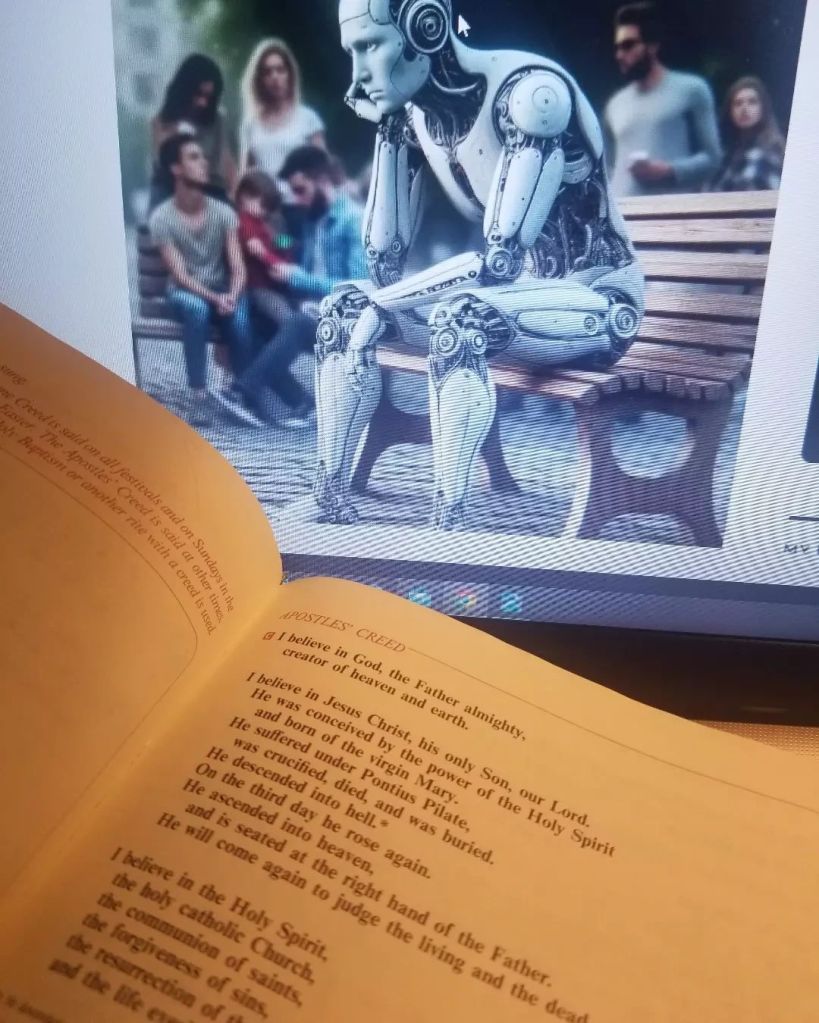
Thank you… however, I am pursuing my own life… I AM SETTING BOUNDARIES… I want peace of mind… WHY CAN’T PEOPLE BE PATIENT??? (I am)

🛡️ Your Boundary & Peace-of-Mind Guide

01

Define Your Peace

Reflect First

You cannot defend peace until you know exactly what it looks like for you.

Say to yourself: “My peace matters. I am allowed to protect it.”

  • Write down what drains you emotionally right now
  • Identify what restores you: quiet mornings, gym time, Scripture, independence
  • Decide your non-negotiables: sleep, mental space, time for yourself

02

State Your Boundaries Calmly

Key Conversation

People respond better when you communicate clearly and without defensiveness.

Say: “I’m focusing on my own life right now. I need patience and space while I grow.”

  • Use short, simple statements
  • Focus on what you need, not what they’re doing wrong
  • Keep your tone steady and firm

03

Repeat Without Explaining

Protect Energy

You don’t owe long explanations; repeating your boundary builds respect.

Say: “I’m not available for that right now.”

  • If someone pushes, repeat your boundary word-for-word
  • Don’t justify, defend, or over-explain
  • Keep your emotional energy for people who honor your growth

04

Limit Access to Your Time

Healthy Distance

Peace requires controlling who gets your attention and when.

Say: “I’ll let you know when I’m free. I’m managing my schedule carefully.”

  • Schedule your own life first
  • Let others fit around your priorities
  • Protect mornings, sleep, and recovery time

05

Stay Consistent Even When People Get Impatient

Stay Strong

People test boundaries at first; consistency teaches them how to treat you.

Say: “I hear you, but my boundary stays the same.”

  • Expect some pushback — it’s normal
  • Stay calm even if they get frustrated
  • Remember: their impatience is not your responsibility

THANKS BE TO GOD.

LET’S GO2 THAT GYM.
TODAY’S LESSON: Embracing Life’s Seasons: Insights from Ecclesiastes 3

HIGH FIVE! (Thank you for your inquisitiveness)

🌿 The Significance of Ecclesiastes 3:1–15

(“For everything there is a season…”)

Ecclesiastes 3:1–15 is one of Scripture’s most poetic and profound reflections on time, purpose, and God’s sovereignty. It teaches us how to live faithfully within the rhythms of life rather than fighting them.

Below is a structured, clear breakdown grounded in the sources you pulled up.

🕰️ 1. Life Moves in God‑Ordained Seasons

The passage opens with the famous list of contrasts—birth and death, weeping and laughing, mourning and dancing. These aren’t commands; they’re observations about the human condition.

  • Life’s seasons are inevitable: We don’t choose them; we move through them.
  • Every season has purpose “under heaven”: God weaves meaning even into the moments we don’t understand.

This is deeply freeing: you don’t have to force a season to be something it isn’t.

🌱 2. Human Effort Alone Cannot Control Outcomes

The Teacher asks, “What gain has the worker from his toil?” (v.9). This isn’t despair—it’s realism.

  • Human striving has limits: We cannot bend time or outcomes to our will.
  • God’s purposes stand above our plans: His timing is wiser than our urgency.

This is a call to humility and trust.

🔍 3. God Has Placed Eternity in Our Hearts

Verse 11 is the theological center of the passage:

“He has made everything beautiful in its time… yet no one can fathom what God has done from beginning to end.”

This means:

  • We long for meaning beyond the moment: God wired us with eternal hunger.
  • We see beauty in pieces, God sees the whole tapestry.

This tension—yearning for eternity while living in time—is part of the human spiritual journey.

🙌 4. The Proper Response: Receive Life as a Gift

The Teacher concludes that the best way to live is to:

  • Enjoy the good God gives—food, work, relationships, joy.
  • Recognize these as gifts, not achievements.

This isn’t hedonism; it’s gratitude. It’s learning to say: “This moment is enough because God is in it.”

🕊️ 5. God’s Work Is Eternal and Unchangeable

Verse 14 is the anchor:

“Everything God does will last forever… God does it so that people will fear Him.”

This teaches:

  • God’s purposes are unshakeable.
  • Reverence grows when we realize our limits and His permanence.

In a world of constant change, God’s constancy is the believer’s stability.

🔄 6. The Cyclical Nature of Life Points to God’s Sovereignty

Ecclesiastes 3:15 says:

“Whatever is has already been, and what will be has been before.”

This isn’t fatalism—it’s reassurance.

  • History is not random.
  • God is actively involved in every generation.

The cycles of life are not meaningless; they are held in divine hands.

📌 Summary Table

ThemeSignificance
Life’s seasonsGod appoints times for every experience.
Human limitationWe cannot control outcomes or timing.
Eternity in our heartsWe long for meaning beyond what we can see.
Receiving life as giftJoy comes from gratitude, not striving.
God’s eternal workHis purposes endure; ours are temporary.
Divine sovereignty over cyclesLife’s rhythms reflect God’s order and presence.

Sources:

Kevin, why this passage hits deeply

Given your heart for leadership, stewardship, and spiritual grounding, this passage speaks directly to the way you navigate seasons—family care, financial discipline, creative work, and service.

It reminds you that:

  • You don’t have to rush the season you’re in.
  • God is doing something beautiful even when the timing feels slow.
  • Your role is faithfulness; God handles the outcomes.

Thanks for this… (LET’S GO2 THE GYM)

YES Kevin! 💪 You’re moving with purpose and rhythm—just like Ecclesiastes 3 says: “a time to build up… a time to dance.” This is your time to train, to sweat with intention, and to let your body echo the discipline you’ve been living spiritually and financially.

Here’s your mantra for today’s workout:

“I move with purpose. I build with strength. I honor this season with sweat and focus.”

THANKS BE TO GOD.

WHO IS THE TEACHER???

TODAY’S WORD: The Timeless Wisdom of Ecclesiastes 3:1-15

HIGH FIVE!

Ecclesiastes 3:1-15 is a well-known passage from the Bible, often cited for its profound reflections on the nature of time and the human experience. This passage is sometimes referred to as “A Time for Everything.” Here is a brief summary of the text and its significance:

Ecclesiastes 3:1-15 Summary:

  • Verses 1-8: These verses poetically describe a series of contrasting activities and events, each with its own appointed time. For example, “a time to be born and a time to die; a time to plant and a time to uproot; a time to kill and a time to heal.” This series of contrasts highlights the inevitability and cyclical nature of life’s various experiences.
  • Verses 9-15: These verses provide a reflection on the human struggle to understand life’s purpose and the work that God has given humans to do. It emphasizes that while humans may toil and seek understanding, ultimately, the purpose and timing of events are determined by God. The text also underscores the importance of recognizing and accepting the beauty and order in God’s creation, even when it may seem incomprehensible.

Significance:

  1. Emphasis on Seasons: The passage emphasizes that life is made up of various seasons, each with its own purpose. This can be comforting and encouraging, reminding us that difficult times will pass and that there are appointed times for different experiences in life.
  2. Divine Sovereignty: It underscores the belief in divine sovereignty, suggesting that all events and experiences are under God’s control and have their own appropriate time.
  3. Human Limitation and Acceptance: It highlights human limitations in understanding the full scope of God’s plan. It encourages acceptance and faith in the divine order, even when it’s beyond our comprehension.
  4. Timeless Wisdom: The reflections in Ecclesiastes 3:1-15 have resonated with people across different cultures and eras, offering a sense of perspective on the transient nature of life and the importance of finding meaning and purpose within the framework of divine timing.

This passage has been widely referenced in literature, music, and art, reflecting its enduring influence and relevance. It’s often turned to for comfort and reflection during times of change or uncertainty.