

HIGH FIVE! (CORRECTION: keep praying)

Takeaway: John 6:41–51 is Jesus’ declaration that He alone is the true, God‑given source of eternal life, surpassing the manna of Moses and revealing Himself as the living bread whose flesh will be given “for the life of the world.”
✨ What the passage means
1. The crowd stumbles over Jesus’ identity
The Jews grumble because Jesus claims to be the bread from heaven. They know His earthly family and cannot reconcile the ordinary with the divine. This reveals a recurring theme in John: people miss God’s revelation because they judge by surface familiarity.
2. Coming to Jesus requires the Father’s drawing
Jesus teaches that faith is not merely human effort—it is initiated by God. Only those whom the Father draws can truly recognize Jesus’ divine origin and mission. This echoes Isaiah 54:13: “They shall all be taught by God.” This shows salvation as God’s gracious initiative, not human achievement.
3. Jesus is the true bread—greater than manna
Jesus contrasts Himself with the manna in the wilderness:
- Manna sustained physical life temporarily.
- Jesus sustains spiritual life eternally. Those who “eat” Him—believe, receive, and abide—will not die.
4. “My flesh…for the life of the world”
Here Jesus points forward to His sacrificial death. His flesh given for the world reveals the propitiatory, atoning nature of His mission. Arthur Peake notes this reflects the early church’s understanding of Christ’s death as life‑giving for humanity. This anticipates the symbolism later expressed in the Lord’s Supper.
🕊️ Why this passage matters
A. It reveals Jesus’ divine identity
His “I AM” statement echoes Exodus 3:14, identifying Him with God’s eternal being. This is not metaphor alone—Jesus claims divine origin and authority.
B. It defines the nature of true life
Eternal life is not merely endless existence; it is union with God through Christ, the only bread that truly satisfies.
C. It exposes the barrier of unbelief
The crowd’s grumbling shows how human assumptions can blind us to God’s work. The passage challenges readers to look beyond the familiar and recognize the divine.
D. It foreshadows the cross and communion
Jesus’ flesh given for the world anticipates His sacrificial death and the later practice of remembering that sacrifice through bread and cup.
📘 Structured Significance Table (Revelation‑12 Style)
| Theme | Heavenly Reality | Earthly Significance |
|---|---|---|
| Bread from Heaven | Jesus is the divine sustainer of life | Only Christ satisfies spiritual hunger |
| Father’s Drawing | Salvation originates in God’s initiative | Faith is grace-enabled, not self-produced |
| Living Bread | Eternal life flows from Christ alone | Believers receive life that death cannot touch |
| Flesh Given for the World | Christ’s sacrificial mission | The cross is the world’s true source of life |
📚 MS Copilot Source Table
| Source | Key Insight |
|---|---|
| Working Preacher | Jesus’ “I AM” claim reveals His divine identity; bread symbolizes life-sustaining presence. |
| Bible Outlined | Faith requires the Father’s drawing; Jesus offers eternal life beyond manna. |
| Arthur Peake Commentary | Jesus’ flesh given for the world points to the atoning nature of His death. |
| Coral Hill Church of Christ | Jesus satisfies spiritual hunger; His words anticipate the Lord’s Supper. |
| Unity.org | “I AM the bread of life” expresses the indwelling divine presence that nourishes believers. |

Thank you… I am trying2 understand… I think you mean KEEP PRAYING…

THIS MORNING, I AM GOING TO THE GYM… (get your day started off right)
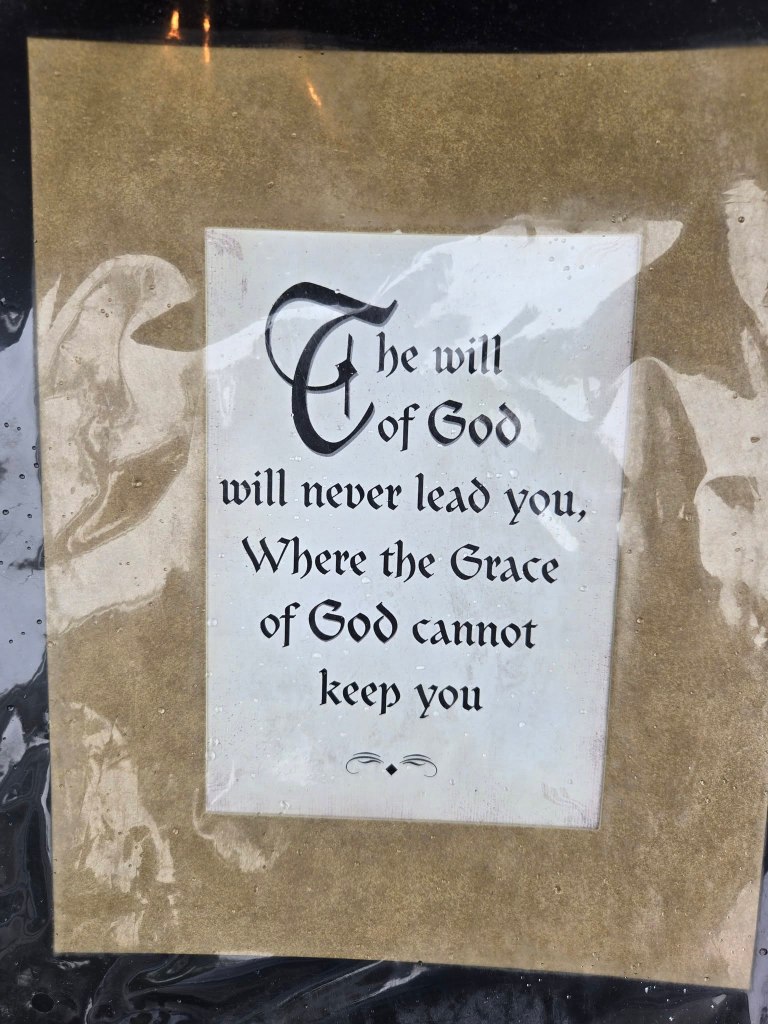
THANKS BE TO GOD.
(Wang Shihan)


