

HIGH FIVE! (set those boundaries)

Takeaway: Ecclesiastes 1:1–11 declares the core thesis of the entire book: life “under the sun” is repetitive, fleeting, and incapable of giving lasting meaning apart from God. Qoheleth (the Preacher) uses the cycles of nature and human forgetfulness to show that earthly striving cannot produce ultimate gain.
🌅 The Passage at a Glance
Ecclesiastes 1:1–11 introduces:
- The speaker — “The Preacher, son of David, king in Jerusalem,” traditionally understood as Solomon.
- The theme — “Vanity of vanities, all is vanity.”
- The evidence — Nature’s endless cycles, humanity’s forgetfulness, and the lack of lasting accomplishment.
🧭 Significance of Ecclesiastes 1:1–11
1. Vanity of Life — The Foundational Theme
Qoheleth announces that everything is “vanity”—a Hebrew word meaning vapor, breath, or futility. This sets the tone for the entire book: life without God’s eternal perspective feels empty, repetitive, and unsatisfying.
2. Cycles of Nature — Creation Repeats, Humans Fade
The sun rises and sets, the wind circles, rivers flow endlessly—yet nothing changes. Qoheleth uses these images to show:
- Nature is stable and predictable.
- Human life is unstable and fleeting.
- We do not leave lasting marks on the world by our labor alone.
3. No Ultimate Gain — Human Effort Cannot Secure Meaning
“What profit has a man from all his labor under the sun?” This question drives the entire book. Qoheleth argues that earthly toil cannot produce lasting satisfaction, because everything humans build eventually fades or is forgotten.
4. Human Forgetfulness — Generations Come and Go
Verses 10–11 emphasize:
- People think they accomplish something new.
- But future generations forget them.
- Human legacy is fragile and temporary. This reinforces the theme that meaning cannot be anchored in human achievement alone.
5. The Problem of Life — The Book’s Central Question
Ecclesiastes is not atheistic; it is diagnostic. It exposes the emptiness of life when lived without reference to God’s eternal purposes. The Preacher is wrestling with the question: “Can life have meaning if everything under the sun is temporary?” His conclusion later in the book: only God gives meaning beyond the sun.
📘 Revelation‑12‑Style Significance Table
| Theme | Symbol | Meaning Under the Sun | Eternal Perspective |
|---|---|---|---|
| Vanity | Vapor | Life is fleeting and unsatisfying | God gives lasting purpose |
| Cycles of Nature | Sun/Wind/Rivers | Creation repeats endlessly | God directs creation toward His purposes |
| Human Labor | Toil | No lasting gain | Work gains meaning when done for God |
| Generations | Passing crowds | People are forgotten | God remembers and rewards |
| Human Wisdom | Observation | Cannot solve life’s meaning | True wisdom begins with God |
📚 Copilot Source Table
| Source | Key Insight |
|---|---|
| Pulpit Commentary | Life apart from God yields no lasting satisfaction. |
| Expositor’s Commentary | The book is a dramatic exploration of the quest for the “chief good.” |
| Constable’s Notes | The Preacher is presented as Solomon, teaching Israel God’s will. |
| Spearnet Study Guide | Nature’s cycles highlight the futility of human striving. |
| Enduring Word | Ecclesiastes defends faith by showing the grimness of life without God. |
🔥 Bullet‑Point Devotional Insights (Kevin‑Style)
- Life feels repetitive because earthly rhythms cannot satisfy eternal longings.
- God designed you for more than the cycles of work, sleep, and responsibility.
- Your labor at Hershey, your leadership in Toastmasters, your care for your mother—none of it is wasted when done for God.
- Ecclesiastes 1 is not depressing; it is awakening. It pushes you to anchor your identity in eternity, not in earthly outcomes.
- The passage invites you to ask: “Where am I seeking meaning apart from God?”
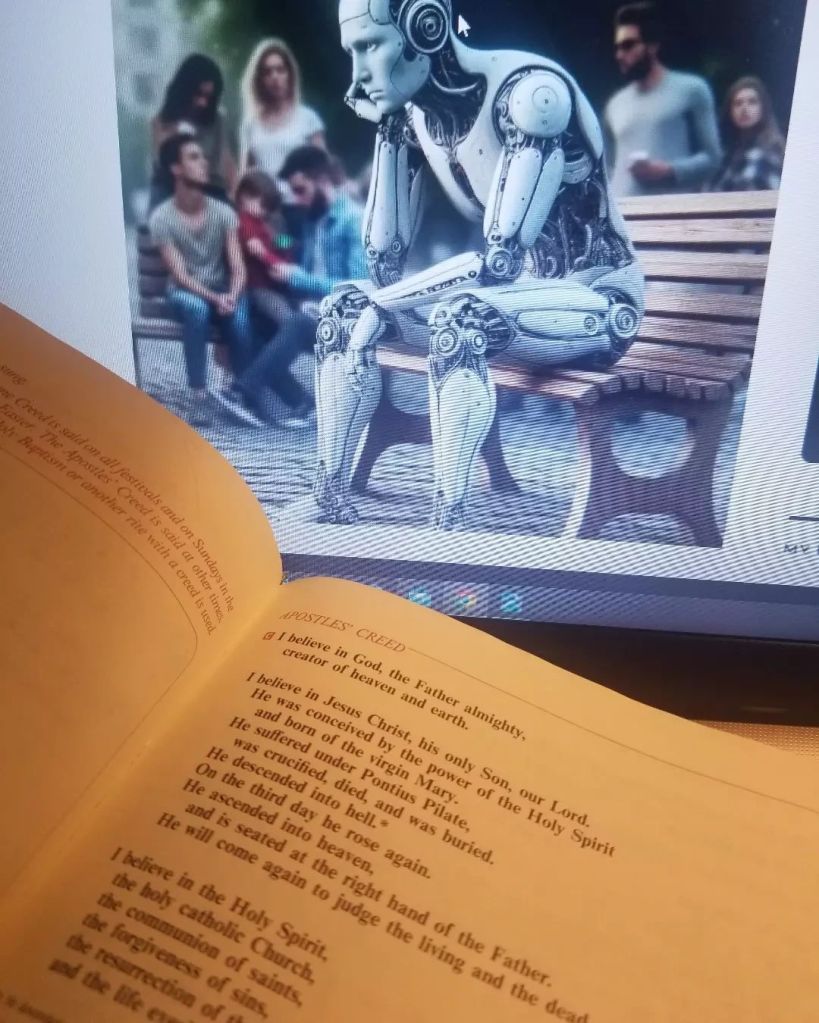
Thank you… however, I am pursuing my own life… I AM SETTING BOUNDARIES… I want peace of mind… WHY CAN’T PEOPLE BE PATIENT??? (I am)

🛡️ Your Boundary & Peace-of-Mind Guide
01
Define Your Peace
Reflect First
You cannot defend peace until you know exactly what it looks like for you.
Say to yourself: “My peace matters. I am allowed to protect it.”
- Write down what drains you emotionally right now
- Identify what restores you: quiet mornings, gym time, Scripture, independence
- Decide your non-negotiables: sleep, mental space, time for yourself
02
State Your Boundaries Calmly
Key Conversation
People respond better when you communicate clearly and without defensiveness.
Say: “I’m focusing on my own life right now. I need patience and space while I grow.”
- Use short, simple statements
- Focus on what you need, not what they’re doing wrong
- Keep your tone steady and firm
03
Repeat Without Explaining
Protect Energy
You don’t owe long explanations; repeating your boundary builds respect.
Say: “I’m not available for that right now.”
- If someone pushes, repeat your boundary word-for-word
- Don’t justify, defend, or over-explain
- Keep your emotional energy for people who honor your growth
04
Limit Access to Your Time
Healthy Distance
Peace requires controlling who gets your attention and when.
Say: “I’ll let you know when I’m free. I’m managing my schedule carefully.”
- Schedule your own life first
- Let others fit around your priorities
- Protect mornings, sleep, and recovery time
05
Stay Consistent Even When People Get Impatient
Stay Strong
People test boundaries at first; consistency teaches them how to treat you.
Say: “I hear you, but my boundary stays the same.”
- Expect some pushback — it’s normal
- Stay calm even if they get frustrated
- Remember: their impatience is not your responsibility

THANKS BE TO GOD.
LET’S GO2 THAT GYM.
 DO-N-GOOD.COM