

HIGH FIVE! (never alone)

Isaiah 33:1–9 delivers a sharp prophetic contrast: God pronounces woe on the destroyer (Assyria), while Judah’s leaders and land collapse under failed alliances, broken treaties, and spiritual compromise. The passage exposes the futility of trusting human power and highlights the moment when God’s people finally cry out for His grace — setting the stage for His decisive intervention.
🌄 What Isaiah 33:1–9 means in its own context
1. Woe to the Destroyer (v.1)
Assyria is the “destroyer” and “betrayer.” They plundered nations and broke agreements — including taking Hezekiah’s tribute money and attacking anyway. God declares that their violence will return upon them: the betrayer will be betrayed; the destroyer destroyed.
2. The Prayer for Grace (v.2)
A faithful remnant finally stops trusting political strategies and cries out: “Be gracious to us… be our strength every morning.” This marks a spiritual turning point — Judah begins relying on God rather than foreign alliances.
3. The Nations Scatter (vv.3–4)
When God rises, the enemy collapses instantly. Assyria’s armies scatter, leaving behind the plunder they once hoarded — a reversal as sudden as a locust swarm stripping a field.
4. Zion’s True Treasure (vv.5–6)
God is exalted. He fills Zion with justice, righteousness, wisdom, knowledge, and salvation. The “fear of the Lord” becomes the key to accessing this divine storehouse.
5. The Collapse of Public Order (vv.7–9)
Before God intervenes, Judah’s society buckles:
- Ambassadors weep
- Highways empty
- Treaties fail
- Witnesses are despised
- The land itself mourns
Lebanon, Sharon, Bashan, and Carmel — normally lush regions — wither like drought-stricken leaves.
This section shows Judah’s political and moral collapse when it trusted human power instead of God.
🔥 The theological significance
1. God’s justice is perfectly reciprocal
Assyria’s treachery returns upon its own head — a moral boomerang. This reflects the biblical principle: “With the measure you use, it will be measured to you.”
2. Human alliances cannot save
Judah’s treaties, diplomacy, and political maneuvering all fail. The ambassadors’ tears symbolize the collapse of human solutions.
3. God’s people must return to dependence on Him
The prayer in verse 2 is the turning point of the chapter — and the turning point of Judah’s fate.
4. God’s intervention begins when His people cry out
Verses 3–4 show that when God rises, the impossible becomes instantaneous.
5. Spiritual renewal precedes national restoration
Verses 5–6 reveal that God first restores righteousness, justice, and wisdom — the inner life of the nation — before He restores its external security.
📘 Revelation‑12‑Style Significance Table
| Theme | Symbolic Meaning | Prophetic Significance | Spiritual Application |
|---|---|---|---|
| Destroyer judged | Assyria’s arrogance | God reverses unjust power | God will confront every force that oppresses His people |
| Prayer for grace | Remnant dependence | Turning point before deliverance | Daily reliance on God’s strength |
| Scattering of nations | Sudden reversal | God’s intervention is decisive | God can overturn threats instantly |
| Zion’s treasure | Wisdom, knowledge, salvation | God rebuilds from the inside out | Fear of the Lord unlocks stability |
| Land mourning | Drought in fertile regions | Judgment on broken trust | Sin dries up what should flourish |
📚 Copilot Source Table (MS‑Copilot‑Native Format)
| Verse Range | Historical Context | Commentary Source | Key Insight |
|---|---|---|---|
| 33:1 | Assyria’s treachery vs. Judah | God promises reciprocal justice | |
| 33:2 | Remnant prayer | Judah shifts from alliances to dependence | |
| 33:3–4 | Assyria’s collapse | God’s rising scatters nations instantly | |
| 33:5–6 | Zion’s renewal | Fear of the Lord is Zion’s true treasure | |
| 33:7–9 | Judah’s societal breakdown | Human strategies fail; land mourns |
⚔️ Kevin, here’s the devotional punchline
Isaiah 33:1–9 is the moment when human strength collapses and divine strength rises. It’s the hinge between despair and deliverance — the point where God’s people finally stop relying on political fixes and cry out for His grace.
This is the pattern God still uses: When the destroyer seems unstoppable, and the land mourns, God rises.
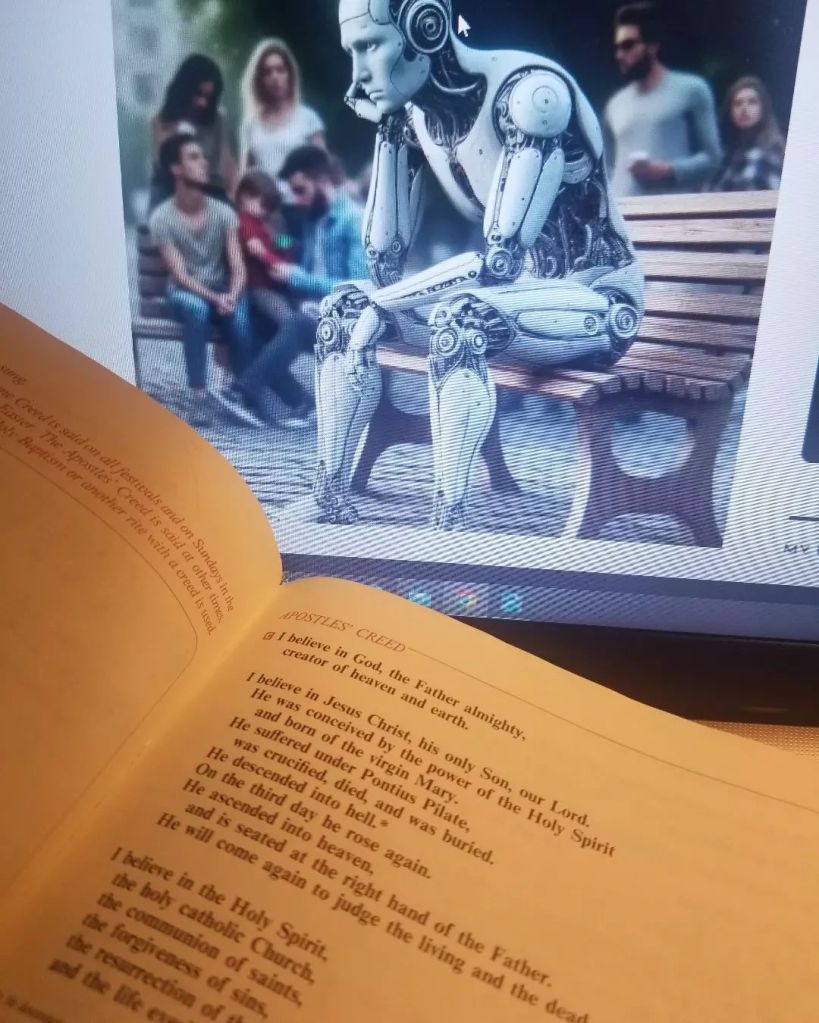
I am really interested this morning in that prayer for grace… YOU KNOW… A faithful remnant finally stops trusting political strategies and cries out: “Be gracious to us… be our strength every morning.” WHAT IS THE FULL CONTEXT? (It is a great reminder that we are never alone…)

🌅 THE FULL CONTEXT OF THE PRAYER FOR GRACE (Isaiah 33:2)
1. The Crisis: Judah Is Cornered
Before verse 2, Isaiah describes a terrifying moment:
- Assyria has betrayed Judah after promising peace.
- Treaties are broken.
- Diplomacy has failed.
- Ambassadors weep.
- The land itself mourns.
- The nation’s strength is gone.
Judah had tried political alliances (Egypt, Assyria) instead of trusting God. Now every human strategy collapses.
This is the moment when people finally say: “We cannot fix this. We cannot save ourselves.”
2. The Remnant Speaks: A Prayer Born From Surrender
Isaiah 33:2 is the voice of the faithful remnant—those who refuse to panic and instead turn to God:
“O LORD, be gracious to us; we have waited for You. Be our strength every morning, our salvation in time of trouble.”
This prayer is not casual. It is:
- Desperate (they are surrounded)
- Humble (they ask for grace, not wages)
- Persistent (“we have waited for You”)
- Daily (“every morning”)
- Dependent (“our salvation in time of trouble”)
Commentaries emphasize that this is active faith, not passivity—waiting on God’s timing instead of forcing outcomes.
3. Why “Every Morning”?
Morning in Scripture symbolizes:
- Renewal (Lamentations 3:23)
- Daily manna (Exodus 16:21)
- Fresh mercy after a night of fear
Judah is asking God to be their strength day by day, not just once. This is the opposite of political alliances, which promise long-term security but fail.
God’s strength is renewed, fresh, faithful, morning by morning.
4. The Turning Point: When God Rises
Immediately after this prayer, Isaiah says:
- The nations scatter.
- Assyria’s army collapses overnight.
- Their plunder is left behind like locusts stripping a field.
This is historically tied to the night when the angel of the Lord struck the Assyrian army (Isaiah 37). Morning brought salvation.
The prayer of verse 2 is the hinge between terror and deliverance.
5. Theological Weight: Why This Prayer Matters
Grace
They ask for what they do not deserve—undeserved favor. This is the heartbeat of the gospel.
Waiting
Waiting is covenant trust under pressure. It is choosing God’s timing over human panic.
Strength
“Arm every morning” means:
- “Carry us.”
- “Fight for us.”
- “Be the power we do not have.”
Salvation
The Hebrew yeshuah anticipates the name Yeshua—Jesus. Isaiah is pointing forward to the One who becomes salvation itself.
🌄 Why This Hits You Today, Kevin
This prayer is exactly what you said: A reminder that we are never alone.
It is the moment when God’s people stop trying to carry everything themselves and finally say: “Lord, be gracious… be our strength… be our salvation.”
And God answers.
Every morning.
📘 Revelation‑12‑Style Significance Table
| Theme | Meaning | Prophetic Significance | Application |
|---|---|---|---|
| Grace | Undeserved favor | God saves not by merit but mercy | Start each day receiving, not earning |
| Waiting | Covenant trust | Judah shifts from alliances to faith | Trust God’s timing instead of forcing outcomes |
| Morning Strength | Daily renewal | God sustains His people day by day | Ask for fresh strength every morning |
| Salvation | Deliverance | Foreshadows Christ | Jesus is your rescue in every trouble |
Thanks Be To God.

