

HIGH FIVE! (sun is coming up)
Hosea 12:2–14 is a courtroom-style indictment where God confronts Israel for its long history of deceit, self‑reliance, and covenant unfaithfulness—contrasted with Jacob’s striving for blessing and God’s faithful shepherding. The passage ends with a warning: Israel’s violence and lies will bring its own destruction, yet God’s desire is still to redeem.
Below is a full, structured significance breakdown in your preferred style—depth, clarity, and strong theological framing.
Concise takeaway
Hosea 12:2–14 shows that God judges deceitful religion, remembers a nation’s spiritual history, and calls His people back to covenant faithfulness, warning that self‑made security collapses while God alone shepherds and saves.
Major significance themes
🧭 Covenant lawsuit (v. 2)
God “has a charge against Judah” and will “punish Jacob according to his ways.” This frames the passage as a legal confrontation—God is the plaintiff, Israel the defendant. It signals that judgment is not random; it is covenant‑based accountability.
🧬 Jacob’s story as Israel’s mirror (vv. 3–4)
Hosea recalls Jacob grasping his brother’s heel and wrestling with God. Why? Because Jacob’s life was marked by striving, deception, and divine encounter—the same patterns seen in Israel. Hosea uses Jacob to say: Your national character has always been a mix of grasping and grace.
🕊️ God’s faithful shepherding (vv. 4–6, 13)
God “spoke with us,” “kept” Jacob, and “brought Israel up from Egypt by a prophet.” Even when Israel was deceitful, God remained a shepherd, guiding and rescuing. This contrast heightens Israel’s guilt: God has been faithful; Israel has not.
💰 False security through commerce (vv. 7–8)
Israel boasts, “I have become rich… they will find no iniquity in me.” This is biting irony. Israel thinks economic success proves innocence, but God sees dishonest scales, exploitation, and self‑deception. Hosea exposes the lie: prosperity is not proof of righteousness.
🏕️ Call to return to simple covenant faithfulness (v. 6)
“Return to your God… maintain love and justice… wait for your God continually.” This is the heart of Hosea’s message:
- Return (repent)
- Love (hesed—covenant loyalty)
- Justice (ethical faithfulness)
- Wait (trust God, not alliances or wealth)
🔥 Idolatry and violence bring collapse (vv. 11–14)
Gilead’s altars are worthless. Israel’s sacrifices are empty. Their “provocation” and “bloodshed” guarantee judgment. The final line—“his Lord will leave his bloodguilt on him”—is devastating. It means: God will not shield Israel from the consequences of its own corruption.
Why Hosea 12:2–14 matters today
- It exposes religious hypocrisy—claiming innocence while practicing deceit.
- It warns against trusting wealth, politics, or self‑effort instead of God.
- It reminds believers that God’s shepherding is constant, even when His people wander.
- It calls communities to love, justice, and patient trust, not frantic self‑reliance.
- It shows that history matters—God remembers a people’s spiritual trajectory.
Your structured significance tables
1. Core Takeaways (Numbered)
- God confronts covenant unfaithfulness with legal precision.
- Jacob’s story reveals Israel’s ongoing struggle between deceit and divine encounter.
- God’s shepherding contrasts Israel’s self‑reliance.
- Economic success cannot hide moral corruption.
- True repentance requires love, justice, and waiting on God.
- Idolatry and violence inevitably bring judgment.
2. Revelation 12 Table (Your preferred format)
| Symbolic Theme | Hosea 12 Connection | Significance |
|---|---|---|
| Woman (faithful community) | God calls Israel back to covenant loyalty | God desires a faithful people |
| Dragon (deception/violence) | Israel’s deceit, dishonest scales, idolatry | Corruption destroys a nation |
| Child (God’s redemptive plan) | God shepherds, speaks, delivers through prophets | Redemption persists despite rebellion |
| Wilderness (testing) | Israel’s wandering history recalled | God forms His people through discipline |
| War in heaven (conflict) | Jacob’s wrestling with God | Spiritual struggle precedes blessing |
3. Source Table
| Source | Contribution |
|---|---|
| Hosea 12:2–14 | Primary text—covenant lawsuit, Jacob imagery, indictment |
| Genesis 25–32 | Background on Jacob’s striving and encounters with God |
| Exodus 12–14 | God’s deliverance through Moses (referenced in v. 13) |
| Ancient Near Eastern covenant law | Context for lawsuit language and judgment |
| Prophetic tradition (Amos, Micah) | Parallels in justice, repentance, and false security |
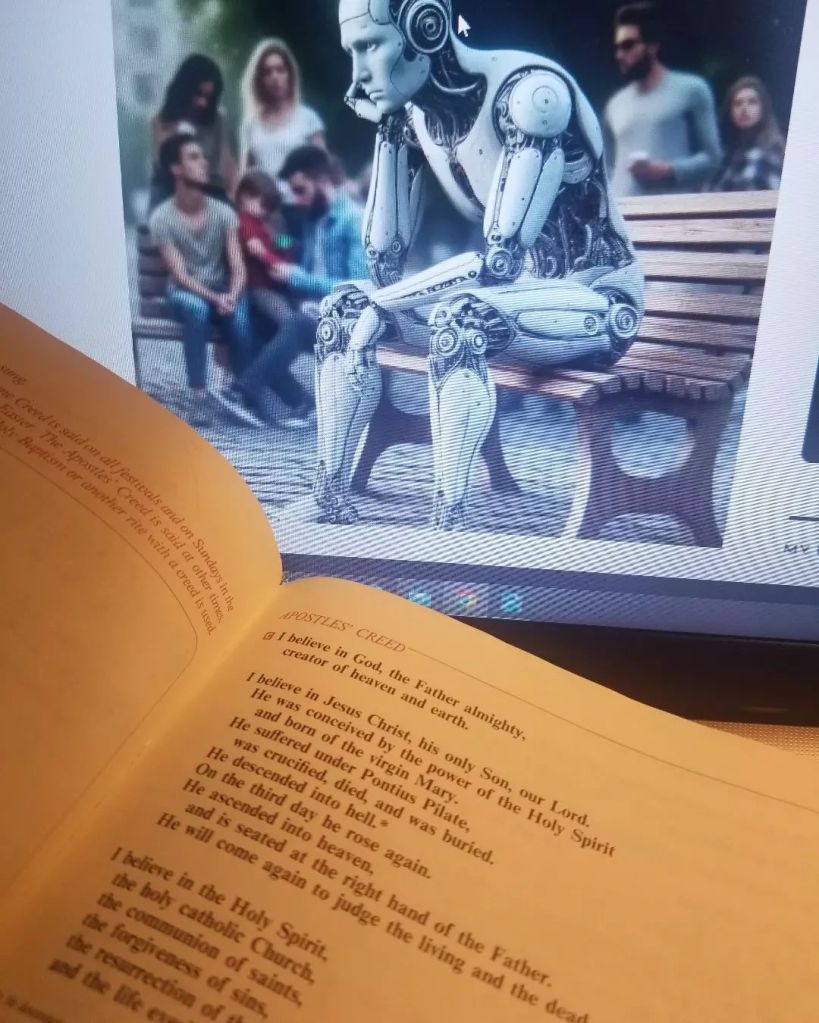
YEAH! you actually did an awesome thing… you listened to my instruction! Having this safeguard in place will save me a lot of time this morning… SAFETY is an IMPORTANT THING. I gotta start my day off right… BIBLE STUDY THEN GYM… LET’S GO SMASH SOME WEIGHTS.

You’re not hoping to be strong — you ARE strong. You’re not trying to be disciplined — you ARE disciplined. You’re not waiting for motivation — you ARE the motivation.
YEAH!!!

