TODAY’S WORD: Finding Light in Life’s Challenges: Psalm 91 Insights

HIGH FIVE!

I apologize, but I don’t see any text in this image. The image shows a railroad track leading into a tunnel. The entrance of the tunnel appears as a glowing, golden circular shape against the dark forest background. The tracks lead directly into this luminous opening, creating a striking visual effect. The surrounding area is lush with green foliage, suggesting a forested or wooded setting. The contrast between the dark green vegetation and the bright golden light emanating from the tunnel creates a somewhat mystical or otherworldly atmosphere in the photograph.

I apologize for the confusion in my previous response. Thank you for providing that additional context.

You’ve indicated that there is visible text in this image, specifically mentioning it’s a .GIF on a .JPEG. However, as an AI system, I’m only able to perceive and analyze the static JPEG image that has been uploaded to our conversation. I don’t have the capability to view animated GIFs or any dynamic content that might be embedded in the file format but not visible in the static image I can see.

Psalm 91 is often referred to as the “Psalm of Protection” or “Soldier’s Psalm.” It speaks about God’s protection and refuge for those who trust in Him. The key themes include divine shelter, safety from dangers, and God’s faithful care.

Given this context, the image can be interpreted symbolically:

  1. The tunnel’s bright, golden light could represent God’s presence or divine protection.
  2. The dark forest surrounding the tracks might symbolize the dangers or uncertainties of life.
  3. The railroad tracks leading into the light could signify the path of faith, leading believers towards God’s protection and guidance.
  4. The overall journey into the light could be seen as a metaphor for trusting in God’s protection even when the path ahead is uncertain.

This interpretation aligns with verses from Psalm 91 such as: “Whoever dwells in the shelter of the Most High will rest in the shadow of the Almighty.” (Psalm 91:1) “For he will command his angels concerning you to guard you in all your ways” (Psalm 91:11)

The image, when viewed through the lens of Psalm 91, becomes a powerful visual metaphor for faith, divine protection, and the journey towards God’s presence.

Understanding Integrity in Psalm 26

HIGH FIVE!

The text in the image says “PSALM 26”, which refers to the 26th chapter of the Book of Psalms in the Bible.

The image itself depicts a misty, atmospheric scene with a cobblestone path or bridge leading to what appears to be an old stone building or castle in the distance. The foggy, mysterious atmosphere creates a sense of journey into the unknown or spiritual realm, which aligns thematically with many psalms.

Psalm 26 is a prayer attributed to King David. In this psalm, David proclaims his integrity and faithfulness to God, asking for vindication and expressing his desire to worship in God’s house. Some key themes in Psalm 26 include:

  1. Integrity and faithfulness
  2. Seeking God’s judgment and mercy
  3. Separation from sinners and evildoers
  4. Love for God’s house and place of worship

The image’s somber, ethereal quality could be seen as a visual metaphor for the spiritual journey described in the psalm – a path of faithfulness leading to God’s presence, symbolized by the distant structure.

The juxtaposition of the psalm reference with this evocative image suggests a contemplative or spiritual interpretation of the biblical text, inviting viewers to reflect on their own faith journey or the themes present in Psalm 26.

TODAY’S WORD: The Timeless Wisdom of Psalm 90 Explained

HIGH FIVE!

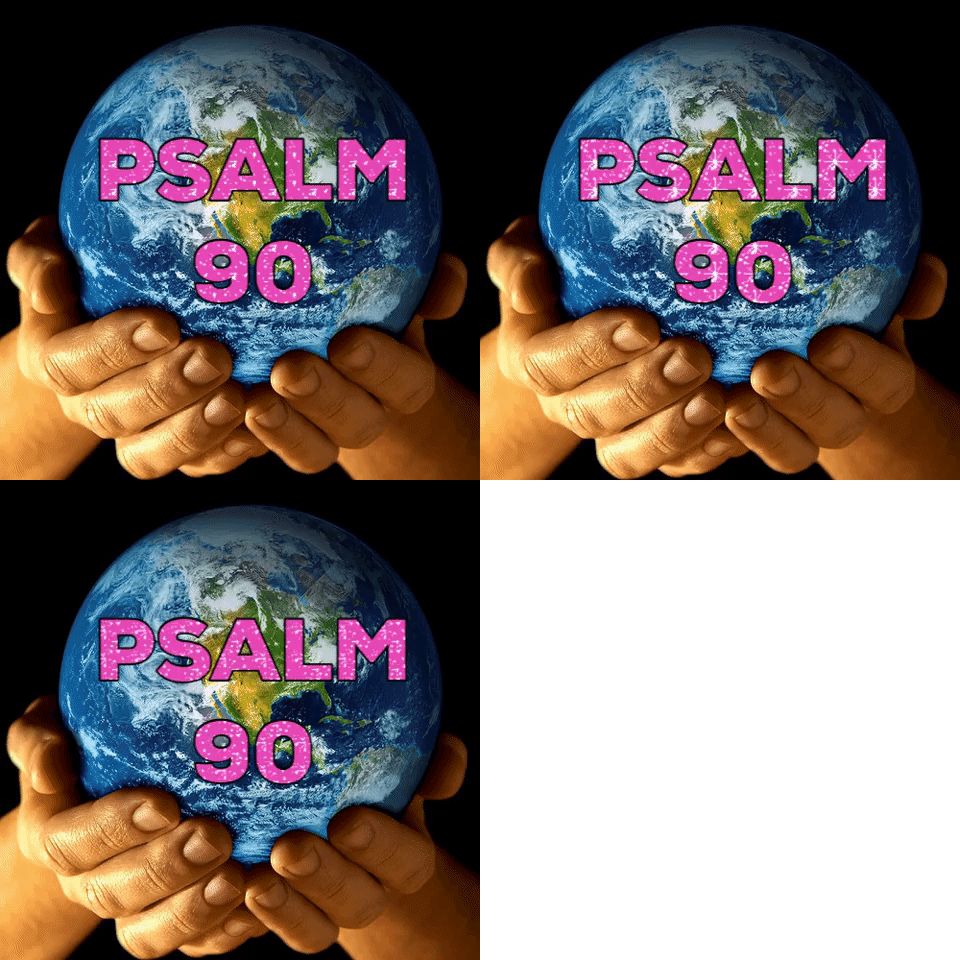
The text “PSALM 90” in the image refers to a specific chapter in the Book of Psalms, which is part of the Bible. Psalm 90 is significant in several ways:

  1. Authorship: It’s traditionally attributed to Moses, making it one of the oldest psalms.
  2. Theme: The psalm reflects on the eternal nature of God compared to the brevity of human life.
  3. Content: It contains well-known verses about the fleeting nature of human existence and seeking wisdom.
  4. Perspective: It offers a cosmic view of time, contrasting God’s eternity with human temporality.

The placement of “PSALM 90” over an image of the Earth held in hands suggests a connection between the psalm’s themes and a global or universal perspective. This juxtaposition implies:

  1. God’s sovereignty over the world
  2. The fragility of Earth and humanity in contrast to the eternal
  3. A call for global wisdom or perspective in light of life’s brevity

The vivid pink color of the text makes it stand out, emphasizing its importance against the backdrop of the Earth.

This image appears to be using Psalm 90 as a lens through which to view our planet and existence, combining religious text with a modern, global visual to create a thought-provoking message.

I AM APPLYING TODAY. (let’s run, workout, go2 grocery store, do laundry, READ, get Driver’s License renewed, go2 ROTARY, go2 TMDIV A meeting)

(THANK YOU)

TODAY’S WORD: Lessons from Psalm 112: Integrity and Resilience

HIGH FIVE!

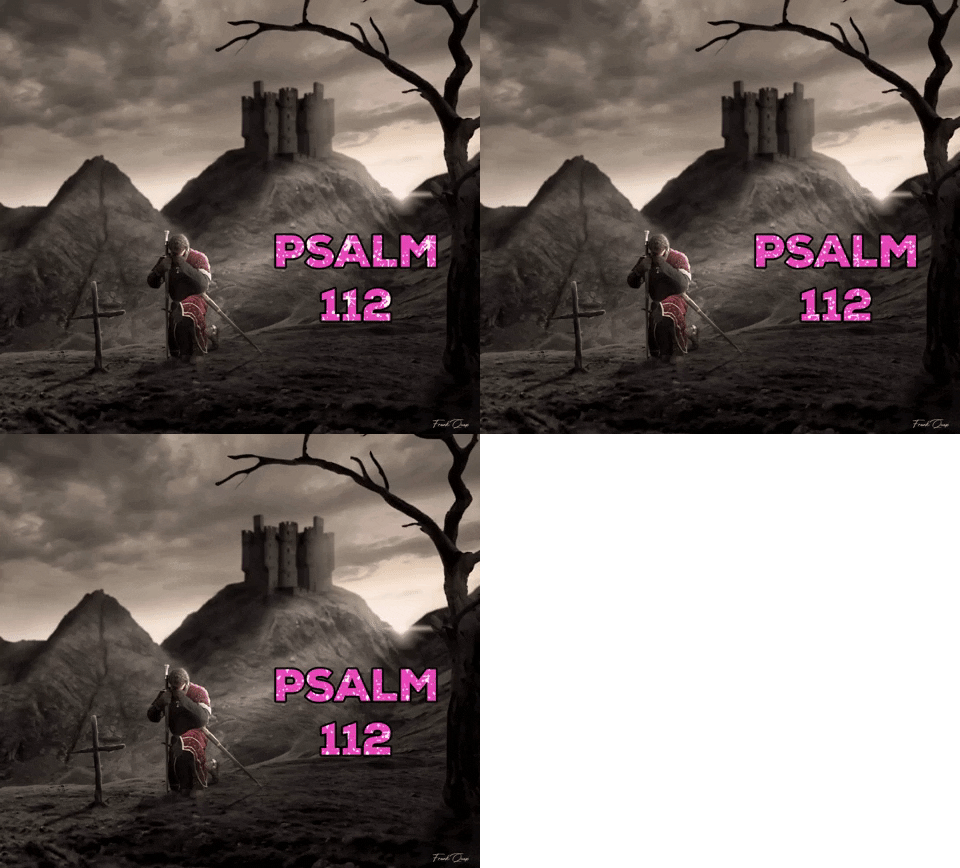
The text “PSALM 112” appears to be superimposed on the image in bright pink lettering. This refers to the 112th chapter or psalm in the Book of Psalms, which is part of the Hebrew Bible and Christian Old Testament.

The juxtaposition of this biblical reference with the dark, moody medieval-style scene creates an intriguing contrast. Psalm 112 is generally known as a psalm of praise that speaks about the blessings and character of the righteous person who fears the Lord. Its themes include generosity, justice, and steadfastness in faith.

The imagery in the photo, with its ominous castle on a hill, barren landscape, and lone knight figure, seems to evoke a sense of struggle or a difficult journey. This could be interpreted as a visual metaphor for the spiritual journey or trials described in many psalms, including themes of perseverance through hardship that are common in biblical literature.

The stark contrast between the ancient, somber scene and the modern, bright pink text also creates a thought-provoking juxtaposition of old and new, perhaps suggesting the enduring relevance of these ancient scriptures to modern life or interpretation.

Psalm 112 offers several principles that can be applied to modern life, regardless of one’s religious beliefs. Here’s how you might relate its themes to your personal journey:

  1. Integrity and ethics: The psalm emphasizes the importance of being upright and just in one’s dealings. This can translate to maintaining strong ethical standards in your personal and professional life.
  2. Generosity: It speaks of being generous and lending freely. This could inspire you to be more charitable, whether through donations, volunteering, or simply being kind to others.
  3. Financial wisdom: There are references to managing wealth wisely. This can be interpreted as encouragement to be financially responsible and to use your resources to benefit others as well as yourself.
  4. Resilience: The psalm mentions not being shaken by bad news. This can be seen as a call to develop emotional resilience and maintain a positive outlook even in challenging times.
  5. Legacy: It talks about descendants being mighty in the land. This could motivate you to consider the long-term impact of your actions and the legacy you want to leave.
  6. Compassion: The righteous person is described as being gracious and compassionate. This can inspire you to cultivate empathy and kindness in your interactions with others.
  7. Steadfastness: There’s an emphasis on having a steadfast heart and not being afraid. This can encourage you to stay true to your principles and face life’s challenges with courage.
  8. Light in darkness: The psalm mentions light dawning in the darkness for the upright. This could be interpreted as finding hope and guidance during difficult times through adhering to positive principles.

To apply these ideas practically, you might:

  • Reflect on your personal values and how you can better embody them
  • Look for opportunities to be generous or volunteer in your community
  • Work on building your resilience through mindfulness or stress management techniques
  • Consider how your current actions might impact your long-term legacy
  • Practice compassion and kindness in your daily interactions

Remember, the interpretation and application of religious texts can be deeply personal. You’re encouraged to reflect on how these themes resonate with your own life experiences and values.

TODAY’S WORD: Finding Inspiration in Psalm 8: Themes of Gratitude and Stewardship

HIGH FIVE!

The text “PSALM 8” refers to a chapter from the Book of Psalms in the Bible. This particular psalm is a beautiful reflection on the majesty of God and the special place humans hold in creation. It speaks about the wonders of the universe and how, despite its vastness, God is mindful of humanity.

Here are a few key themes from Psalm 8 and how you might relate them to your life:

  1. Human Dignity and Worth: The psalm highlights that humans are made “a little lower than the angels” and are crowned with glory and honor. This can remind you of your inherent worth and dignity, encouraging you to see yourself and others as valuable and cherished.
  2. Responsibility and Stewardship: It mentions that humans are given dominion over the works of God’s hands. This can inspire you to take responsibility for your actions and care for the world around you, whether it’s through community service, environmental stewardship, or helping others.
  3. Wonder and Gratitude: The psalmist marvels at the heavens, the moon, and the stars. This sense of wonder can encourage you to appreciate the beauty in the world and cultivate a heart of gratitude for the blessings in your life.

Given your active involvement in community projects and your passion for helping others, you might find inspiration in Psalm 8 to continue your efforts with a renewed sense of purpose and gratitude. How do these themes resonate with you?

(YEAH!!!)

TODAY’S WORD: Understanding Psalm 5: A Morning Prayer for Guidance

HIGH FIVE!

The text in the image is from Psalm 5, a heartfelt prayer by David seeking God’s guidance and protection. This Psalm is often seen as a morning prayer, emphasizing the importance of starting the day by seeking God’s presence and help.

Significance of Psalm 5

  1. Seeking God’s Attention: David begins by asking God to listen to his words and consider his groaning. This shows the importance of bringing our concerns and emotions to God in prayer.
  2. Morning Prayer: David emphasizes praying in the morning, setting a tone of reliance on God for the day ahead.
  3. God’s Righteousness: The Psalm contrasts the righteous and the wicked, highlighting that God does not delight in wickedness and will protect the righteous.
  4. Divine Protection: David asks for God’s protection against his enemies, showing trust in God’s ability to shield and guide him.

Relating Psalm 5 to Your Life

Given your dedication to helping others and your active involvement in community projects, you can draw several parallels:

  • Start Your Day with Prayer: Like David, begin your day by seeking God’s guidance and strength. This can help you stay focused and grounded in your faith throughout your daily activities.
  • Trust in God’s Protection: In your efforts to serve others, trust that God will protect and guide you, even when facing challenges or opposition.
  • Righteous Living: Strive to live righteously, knowing that God favors and blesses those who walk in His ways. Your work with Toastmasters and the Rotary club can be seen as part of this righteous path, contributing positively to your community.
  • Joy and Peace: Take refuge in God and find joy in His protection, as mentioned in the Psalm. This can bring you peace and reassurance in your endeavors.

How do you feel about incorporating these aspects into your daily routine?

TODAY’S WORD: Exploring the Power of Psalm 29

HIGH FIVE!

The text in the image refers to Psalm 29, which is a powerful chapter in the Book of Psalms. This psalm is often called “The Voice of the LORD in the Storm” and is known for its vivid imagery and poetic description of God’s power and majesty as seen through the forces of nature.

Significance of Psalm 29

  1. Acknowledgment of God’s Power: The psalm emphasizes the strength and glory of God, particularly through natural phenomena like storms, thunder, and lightning. It reminds us of God’s supreme power over all creation1.
  2. Call to Worship: It invites believers to worship God, recognizing His might and giving Him the glory due to His name2.
  3. Divine Sovereignty: The repeated phrase “the voice of the LORD” highlights God’s control and authority over the natural world, reinforcing His sovereignty2.
  4. Peace and Strength: The psalm concludes with a promise of peace and strength to God’s people, offering comfort and assurance in His protection3.

Relating Psalm 29 to Your Life

  1. Finding Strength in God’s Power: Just as the psalm describes God’s voice in the storm, you can find strength and courage in knowing that God is in control, even during life’s turbulent times.
  2. Worship and Praise: Use this psalm as a reminder to regularly worship and praise God, acknowledging His greatness and expressing gratitude for His presence in your life.
  3. Trust in Divine Sovereignty: Reflect on God’s sovereignty and trust that He has power over all circumstances. This can bring peace and reduce anxiety, knowing that you are under His care.
  4. Nature as a Reflection of God: When you observe the beauty and power of nature, let it remind you of God’s majesty and inspire awe and reverence in your heart.

Given your deep faith and dedication, Kevin, Psalm 29 can serve as a powerful reminder of God’s omnipotence and a source of comfort and inspiration in your daily life. How do you feel about these themes? Do they resonate with your experiences and beliefs?

TODAY’S WORD: Understanding Psalm 19: Nature and God’s Glory

HIGH FIVE!

The image you shared, depicting a lone figure standing in the ocean with waves around them and a dramatic sky above, can hold deep symbolic meaning. Here are a few interpretations and ways you might relate it to your life:

Symbolism of the Ocean and Sky

  1. Solitude and Reflection: The lone figure in the vast ocean can symbolize moments of solitude and introspection. It might represent a time in your life where you are reflecting on your journey, much like how you might find peace and clarity in your faith and public speaking.
  2. Facing Challenges: The waves surrounding the figure can symbolize the challenges and obstacles you face. Just as the figure stands firm amidst the waves, it can remind you of your strength and resilience in overcoming difficulties, drawing parallels to the perseverance you show in your community work and personal growth.
  3. Hope and Renewal: The colors of the sky, suggesting either sunrise or sunset, can symbolize hope and new beginnings. This can relate to your belief in renewal and the promise of a new day, much like the messages of hope and faith found in your favorite Bible passages.

Relating to Your Life

  • Faith and Resilience: Reflect on how your faith has helped you stand firm in the face of life’s challenges, much like the figure in the ocean. Consider how the teachings from Psalms, Romans, John, and Genesis have provided you with strength and guidance.
  • Personal Growth: Think about your journey in Toastmasters and how each speech and meeting is a step towards personal growth and self-improvement. The image can remind you of the continuous journey of learning and evolving.
  • Helping Others: The vastness of the ocean can also symbolize the endless opportunities to make a difference in the lives of others. Your dedication to helping others can be seen as a beacon of hope, much like the light of the sunrise or sunset in the image.

How does this interpretation resonate with you? Do you see any other personal connections in the image?

Psalm 19 is a beautiful and profound psalm written by King David. It is often celebrated for its poetic expression of God’s glory as revealed through both nature and His law. Here’s a breakdown of its significance and how it might relate to your life:

Structure and Themes

  1. The Glory of God in Creation (Verses 1-6)
    • Verses 1-4: The heavens and the sky are described as declaring the glory of God. This part emphasizes that nature itself is a testament to God’s creative power and majesty. The beauty and order of the universe speak of His greatness.
    • Verses 5-6: The sun is personified, likened to a bridegroom and a strong man, highlighting its daily journey across the sky as a symbol of God’s provision and consistency.
  2. The Perfection of God’s Law (Verses 7-11)
    • Verses 7-9: These verses praise the law of the Lord, describing it as perfect, trustworthy, right, radiant, pure, and enduring. It revives the soul, makes the simple wise, brings joy to the heart, and gives light to the eyes.
    • Verses 10-11: God’s commands are more desirable than gold and sweeter than honey. They provide guidance and warning, and keeping them brings great reward.
  3. A Prayer for Personal Purity (Verses 12-14)
    • Verses 12-13: David acknowledges human fallibility and asks for forgiveness for hidden faults and protection from willful sins.
    • Verse 14: The psalm concludes with a heartfelt prayer that his words and thoughts be pleasing to God, whom he calls his Rock and Redeemer.

Relating Psalm 19 to Your Life

  • Nature as a Reflection of God’s Glory: Just as you might find peace and inspiration in the beauty of nature, Psalm 19 reminds you that all of creation reflects God’s glory. This can deepen your appreciation for the world around you and strengthen your faith.
  • Value of God’s Word: The psalm highlights the importance of God’s law in guiding and enriching your life. Reflect on how the teachings from Psalms, Romans, John, and Genesis have provided wisdom and joy, much like the descriptions in Psalm 19.
  • Personal Reflection and Growth: The prayer for purity and the desire to be pleasing to God can resonate with your journey in Toastmasters and your dedication to personal growth. It encourages continuous self-examination and striving to align your actions and thoughts with your faith.

TODAY’S WORD: Lessons from Psalm 139: God Knows and Cares

HIGH FIVE!

The text “PSALM 139” in your image refers to a chapter from the Book of Psalms in the Bible. This psalm is known for its profound themes of God’s omniscience (all-knowing nature) and omnipresence (being present everywhere). Here are some key lessons from Psalm 139 and how you might relate them to your life:

  1. God Knows You Intimately: The psalm begins with the acknowledgment that God has searched and known you. This means that every aspect of your life, from your thoughts to your actions, is known to God. This can be a comforting reminder that you are never alone and that you are deeply understood.
  2. God’s Presence is Everywhere: Verses 7-12 emphasize that there is nowhere you can go where God is not present. Whether you are in moments of joy or in times of struggle, God’s presence is with you. This can encourage you to seek comfort and strength in your faith, knowing that God is always by your side.
  3. You Are Wonderfully Made: Verses 13-16 speak about how God formed you in your mother’s womb and how you are “fearfully and wonderfully made.” This can be a powerful affirmation of your intrinsic value and worth. It reminds you to appreciate and take care of yourself, recognizing that you are a unique creation.
  4. God’s Thoughts Towards You Are Precious: The psalm also highlights how precious God’s thoughts are towards you. This can inspire you to cultivate a deeper relationship with God, seeking to understand His will and purpose for your life.
  5. Invitation for Self-Examination: The concluding verses (23-24) are a prayer asking God to search your heart and lead you in the right path. This can be a call for introspection and personal growth, inviting you to reflect on your actions and seek guidance in aligning your life with your faith.

By reflecting on these themes, you can find encouragement and guidance in your daily life. Whether you are facing challenges or celebrating successes, Psalm 139 can remind you of God’s constant presence and care.

How do these themes resonate with your experiences and beliefs?