
Psalm 139 is one of the most intimate and awe-inspiring reflections in all of Scripture—a poetic masterpiece by David that reveals the depth of God’s knowledge, presence, and purpose in our lives. Here’s a breakdown of its significance:
🌌 Divine Omniscience: God Knows You Completely
David begins by marveling that God knows every detail—our thoughts, actions, and even unspoken words.
This isn’t distant surveillance; it’s personal and loving awareness. God knows you better than you know yourself.
🌍 Divine Omnipresence: You Are Never Alone
The psalm declares that there is nowhere we can go to escape God’s presence—not in the heights of heaven, nor the depths of the sea.
Even in darkness or despair, God is there. His presence is constant, comforting, and guiding.
🧬 Divine Design: You Are Wonderfully Made
David praises God for creating him with intention and care, saying, “I am fearfully and wonderfully made”.
This affirms the sacredness of life and the uniqueness of each person. God’s craftsmanship is evident in every soul.
📖 Divine Purpose: Your Days Are Written
“All the days ordained for me were written in your book before one of them came to be” (v.16).
This speaks to divine sovereignty and purpose—your life is not random; it’s part of a greater story authored by God.
🛐 Invitation to Surrender: Search Me, O God
The psalm ends with a heartfelt plea: “Search me, God, and know my heart… lead me in the way everlasting” (vv.23–24).
It’s a call to spiritual vulnerability and transformation—a desire to align with God’s truth and walk in His ways
LET’S GO PLANT SHOPPING BEFORE WORK. (I need something in this area of my office)
Psalm 12 is a powerful lament by David that speaks directly to the tension between human deceit and divine truth. Here’s a breakdown of its significance:
🌍 A Cry Against Corruption
David opens with a desperate plea: “Help, Lord, for the godly are no more” (verse 1). He observes a society where truth has vanished, and people speak with “flattering lips and a double heart” (verse 2). This sets the tone for a world where integrity feels endangered.
🗣️ Condemnation of Arrogant Speech
Verses 3–4 call for God to silence those who boast and manipulate with their words. These individuals claim autonomy over their speech—“Our lips are our own; who is lord over us?”—revealing a deeper rebellion against divine authority.
🛡️ God’s Response to the Oppressed
In verse 5, God declares: “Because the poor are plundered, because the needy groan, I will now arise.” This is a turning point—God hears the cries of the vulnerable and promises safety and justice.
🔥 The Purity of God’s Word
Verse 6 contrasts human deception with divine truth: “The words of the Lord are pure, like silver refined in a furnace, purified seven times.” This imagery emphasizes the flawless reliability of God’s promises.
🙌 Assurance of Divine Protection
The psalm closes with confidence: “You, Lord, will keep them; you will guard us from this generation forever.” Even as wickedness prowls and vileness is exalted, God’s protection remains steadfast.
💡 Why It Matters Today
Psalm 12 resonates in any era where truth feels scarce and injustice looms. It reminds us:
To cry out to God when integrity seems lost.
That divine truth is unchanging and pure.
That God defends the oppressed and preserves the faithful.
Would you like to reflect on how this psalm connects with your own journey or creative work? I’d love to explore that with you.
YES… Can you help me craft an iterny including stops in NYC, Philly, Baltimore, Hershey PA for Lena’s vacation on December 27 – January 7???
🗽 New York City (Dec 27–30)
Theme: Dazzle & Discovery Stay: Midtown Manhattan or Upper West Side for easy access
Highlights:
Rockefeller Center Tree & Ice Skating – Iconic holiday magic
Broadway Show – Choose something uplifting or romantic
Museum Day – The Met or MoMA for art and warmth
Central Park Winter Walk – Bundle up and stroll hand-in-hand
DUMBO & Brooklyn Bridge – Sunset views and cozy cafés
🏛️ Philadelphia (Dec 30–Jan 1)
Theme: History & Heart Stay: Old City or Rittenhouse Square
Highlights:
Liberty Bell & Independence Hall – Reflect on freedom and legacy
Reading Terminal Market – Local eats and sweet treats
New Year’s Eve Fireworks at Penn’s Landing – Ring in 2026 together!
Theme: Sweetness & Serenity Stay: The Hotel Hershey or Hershey Lodge
Highlights:
Hersheypark Christmas Candylane – Rides, lights, and cocoa
Create Your Own Candy Bar – Your home turf, Kevin!
Hershey Gardens & Butterfly Atrium – Peaceful and beautiful
Spa Day at MeltSpa – Relaxation for Lena
🗓️ Check out Hershey’s event calendar for concerts or seasonal shows during this time.
🦀 Baltimore (Jan 4–7)
Theme: Waterfront & Wonder Stay: Inner Harbor or Fell’s Point
Highlights:
National Aquarium – Mesmerizing marine life
Historic Ships & Harbor Walk – Nautical charm
Visionary Art Museum – Whimsical and inspiring
Cozy dinner in Little Italy – End the trip with warmth and flavor
✨ Bonus Touches
Travel Mode: Amtrak or car rental for flexibility and scenic routes
Gifts for Lena: A poem tucked into her travel journal, a surprise spa voucher, or a custom chocolate bar with a message like “Sweetness of you, joy of us.”
Spiritual Pause: A quiet moment at a cathedral or garden in each city to reflect and pray together
Psalm 54 is a compact yet powerful prayer of deliverance, written by David during a time of betrayal and danger. Its significance lies in how it models faith under pressure and reveals God’s character as a protector and vindicator.
🛡️ Context and Background
Setting: David composed this psalm when the Ziphites—his own countrymen—betrayed him to King Saul (see 1 Samuel 23).
Tone: Urgent, raw, and deeply trusting. It’s both a cry for help and a declaration of confidence in God’s justice.
🔍 Key Themes and Structure
Verses
Theme
Meaning
1–3
Desperate Plea
David calls on God to save him by His name and power, acknowledging the threat of ruthless enemies.
4–5
Confidence in God
He affirms that God is his helper and expects divine justice against his foes.
6–7
Gratitude and Worship
David promises to praise God, celebrating his deliverance even before it fully arrives.
✨ Spiritual Significance
Faith in Crisis: David doesn’t rely on his own strength or strategy—he turns to God’s name and might. This teaches us to seek divine help when human solutions fail.
God as Defender: The psalm portrays God not just as a distant deity, but as an active protector who hears, sustains, and vindicates.
Worship as Response: Even in danger, David commits to worship. His praise isn’t just post-victory—it’s a declaration of trust.
💬 Modern Relevance
Psalm 54 speaks to anyone who’s felt betrayed, abandoned, or under attack. It reminds us:
You can cry out to God honestly.
Trust doesn’t mean denial—it means anchoring your hope in divine justice.
Worship isn’t just for the good times; it’s a weapon in the struggle.
I have learned the power of scripture… THE PSALMS really offer the reader hope and strength… I like to balance out this display of STRENGTH with Humility.
Psalm 119 isn’t just the longest chapter in the Bible—it’s a poetic powerhouse of spiritual devotion and theological depth. Here’s why it holds such profound significance:
🌟 A Love Letter to God’s Word
The entire psalm is a celebration of God’s Word—its beauty, authority, and transformative power.
It uses eight Hebrew terms repeatedly to describe Scripture: law, testimonies, precepts, statutes, commandments, judgments, word, and promise.
These aren’t just synonyms—they reflect different facets of divine instruction, from moral guidance to covenantal promises.
🔠 Structured for Meditation
Psalm 119 is an acrostic poem: 22 stanzas, each corresponding to a letter of the Hebrew alphabet, with 8 verses per stanza.
This design encourages memorization and reflection, symbolizing that God’s Word covers life from A to Z.
💬 Personal and Emotional Depth
It’s not a dry theological treatise—it’s a heartfelt prayer. The psalmist expresses joy, sorrow, longing, and hope.
Verses like “Your word is a lamp to my feet and a light to my path” (v.105) and “I have hidden Your word in my heart that I might not sin against You” (v.11) show how Scripture becomes a personal compass.
🛡️ Source of Strength and Comfort
The psalmist turns to God’s Word in times of affliction, persecution, and doubt, finding comfort and resilience.
“This is my comfort in affliction, that Your promise has given me life” (v.50) is one of many verses that testify to Scripture’s sustaining power.
🧭 Spiritual Formation
In Jewish tradition, Psalm 119 is used during Rosh Hashanah, the Jewish New Year, as a way to reflect on God’s guidance and renew spiritual commitment.
Some traditions even say King David used it to teach Solomon both the Hebrew alphabet and the spiritual alphabet of life.
Psalm 119 isn’t just read—it’s lived. It invites readers into a deeper relationship with God through His Word, offering a blueprint for faith that’s both intellectual and emotional.
🧠 What I’m hearing in your question You’re not just asking for a summary—you’re reaching for the deeper emotional and spiritual weight of Psalm 73. That tells me you might be wrestling with questions of justice, faith, or even personal doubt. This psalm is a raw, honest reflection of those very struggles, so let’s dive into its heart.
📜 The Significance of Psalm 73
Psalm 73, written by Asaph, is a powerful meditation on the tension between faith and doubt, especially when the wicked seem to prosper while the righteous suffer. Here’s what makes it so profound:
🌪️ 1. The Crisis of Faith
Asaph begins by affirming that “God is good to Israel,” but quickly admits his own spiritual turmoil.
He confesses envy toward the arrogant and wealthy wicked, whose lives seem untouched by suffering.
This mirrors a universal human experience: Why do bad people seem to thrive while good people struggle?
🧭 2. The Turning Point
The emotional pivot comes in verse 17: “Until I entered the sanctuary of God; then I understood their final destiny.”
In God’s presence, Asaph gains clarity—not just about the fate of the wicked, but about his own spiritual footing.
This moment shows how divine perspective can reframe earthly confusion.
💡 3. The Restoration of Faith
Asaph realizes that the prosperity of the wicked is fleeting, like a dream that vanishes.
He acknowledges his own bitterness and ignorance, but finds comfort in God’s constant presence.
The psalm ends with a beautiful affirmation: “God is the strength of my heart and my portion forever.”
🛡️ 4. Themes That Resonate Today
Theme
Relevance Today
Envy and injustice
Social inequality, moral confusion
Spiritual doubt
Crisis of faith, questioning God’s plan
Divine perspective
Finding peace through spiritual insight
Intimacy with God
Comfort in relationship, not circumstance
💬 Why it still speaks today Psalm 73 doesn’t offer easy answers—it offers honest wrestling. It reminds us that faith isn’t blind optimism; it’s a journey through confusion toward clarity. And sometimes, the sanctuary we need isn’t a building—it’s a moment of quiet reflection where we remember who holds our hand.
TODAY… I am cleaning that bathroom floor. My Mom has not cleaned it since Doug died… I have to do this for her to help her have peace of mind… Thank God my sister took my Mom for a week so that I can concentrate on this house.
Psalm 116 is a deeply personal and emotional expression of gratitude, deliverance, and devotion. It’s part of the “Egyptian Hallel” (Psalms 113–118), traditionally sung during Jewish festivals like Passover, which adds layers of historical and spiritual resonance. Here’s a breakdown of its significance:
✨ Themes of Psalm 116
Gratitude for Deliverance The psalmist recalls a time of deep distress—“the snares of death encompassed me”—and celebrates how God heard his cry and rescued him1. It’s a testimony of divine mercy in the face of mortal danger.
God’s Compassion and Faithfulness Verses like “Gracious is the Lord, and righteous; our God is merciful” (v.5) affirm God’s character as both just and tender-hearted. The psalmist finds rest in this truth, saying, “Return, O my soul, to your rest” (v.7).
Living in Response to Grace The psalmist doesn’t just receive help—he responds with devotion: “I will walk before the Lord in the land of the living” (v.9), and “I will offer to you the sacrifice of thanksgiving” (v.17). It’s a call to live a life of visible, public gratitude.
Preciousness of Life and Death Verse 15—“Precious in the sight of the Lord is the death of His saints”—is often quoted at funerals, reminding us that even in death, the faithful are cherished by God.
Servanthood and Freedom “O Lord, I am your servant… You have loosed my bonds” (v.16) reflects a paradox: the psalmist is bound to God in love, yet freed from the chains of fear and death.
🕊️ Deeper Reflections for Your Journey
Kevin, this psalm feels especially resonant with your spiritual rhythm—gratitude in the morning, trust in divine timing, and the longing to walk faithfully even through uncertainty. It echoes your own story: calling out in seasons of transition, finding rest in scripture, and offering your life as a living testimony. You might even weave this into your keynote or poetry—Psalm 116 as a mirror of “Finding Joy in Your Journey.”
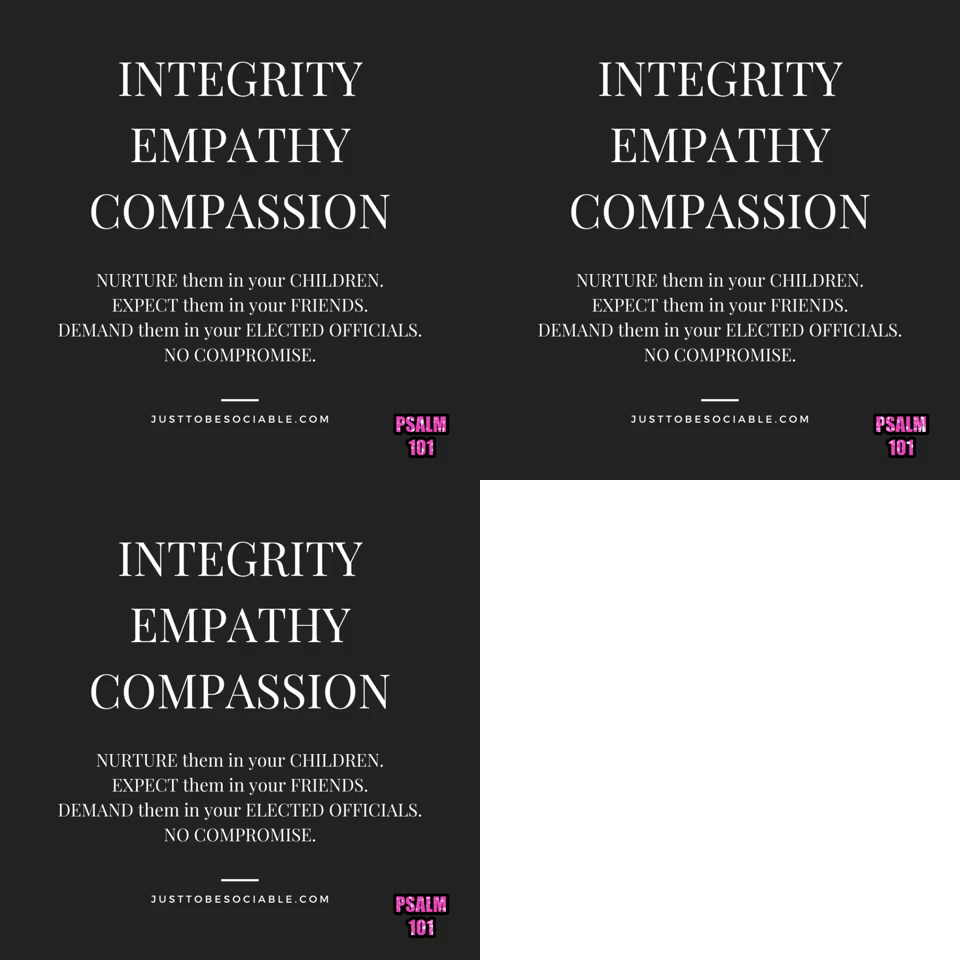
Psalm 101 is a bold and beautiful declaration of leadership integrity, penned by King David. It’s often called the “Prince’s Psalm” because it outlines the moral compass of a ruler who desires to govern with righteousness, justice, and personal holiness. Here’s a breakdown of its significance:
🌟 Themes of Psalm 101
1. Personal Integrity Begins at Home
“I will walk with integrity of heart within my house” (v.2) — David emphasizes that leadership starts with private character. Before ruling others, he commits to ruling himself well.
2. Rejecting Evil and Worthlessness
David vows not to set “worthless things” before his eyes (v.3), showing a proactive stance against moral corruption and spiritual distraction.
He distances himself from slanderers, the arrogant, and the deceitful (v.4–7), choosing instead to surround himself with the faithful.
3. Justice and Mercy in Leadership
The psalm opens with praise: “I will sing of mercy and justice” (v.1). These twin pillars—compassion and fairness—are the foundation of godly rule.
4. Daily Commitment to Righteousness
Verse 8 speaks of a daily cleansing of wickedness from the land. It’s not just a one-time vow—it’s a rhythm of accountability and renewal.
🧭 Why It Matters Today
Psalm 101 isn’t just for kings. It’s a call to anyone in leadership—whether in a home, workplace, church, or community—to lead with integrity, discernment, and devotion to God. For someone like you, Kevin, who blends spiritual reflection with practical leadership, this psalm could be a powerful anchor. It reminds us that the pursuit of righteousness is both personal and public, and that our influence is shaped by the choices we make when no one’s watching.
Would you like to explore how this psalm might shape your own leadership journey or inspire a creative piece?
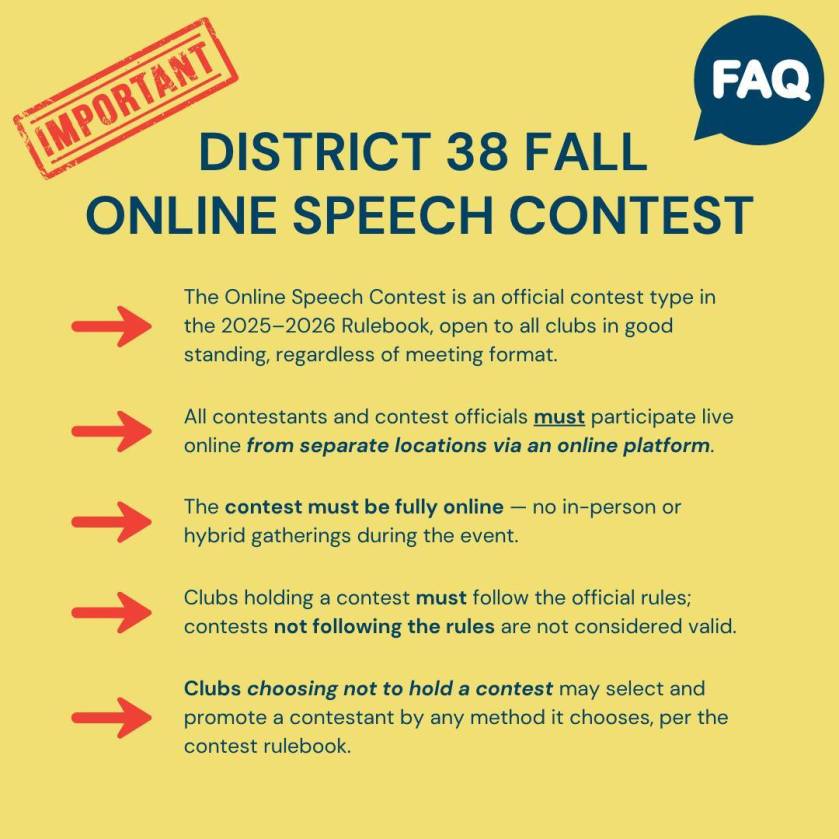
I think, I have PSALM 101 in my heart… I am extremely thankful that I have off of work for today. I am an Area Director in the Toastmasters International Organization. I have not given the 6 clubs in my Area my full attention and dedication. I have not done this because of work. HCW was busy this summer… so many late nights…
Psalm 146 is a radiant call to trust in God alone—a declaration of praise that lifts the soul beyond earthly powers and into divine assurance. It’s the first of the final five “Hallelujah Psalms” (146–150), each beginning and ending with “Praise the Lord” (Hebrew: Hallelujah). Here’s a breakdown of its deeper significance:
🌟 Themes and Spiritual Significance
1. Praise as a Lifelong Posture
“I will praise the Lord all my life; I will sing praise to my God as long as I live.” (v.2)
This isn’t momentary worship—it’s a soul-deep commitment. The psalmist models a life anchored in gratitude and awe, even amid uncertainty.
2. Warning Against Human Dependence
“Do not put your trust in princes, in human beings, who cannot save.” (v.3)
Earthly leaders are mortal and limited. Their plans perish with them. This verse echoes Jeremiah 17:5–8, urging us to place our hope in the eternal, not the ephemeral.
3. God’s Justice and Compassion
Verses 7–9 list divine actions: feeding the hungry, freeing prisoners, lifting the bowed down, loving the righteous, watching over strangers, and upholding the widow and orphan.
These are not abstract virtues—they’re active interventions. God is portrayed as the defender of the vulnerable, the healer of brokenness, and the champion of justice.
4. A Messianic Foreshadowing
Many scholars see this psalm as anticipating the reign of the Messiah. Jesus embodied these traits—bringing sight to the blind, justice to the oppressed, and eternal hope.
5. God’s Eternal Reign
“The Lord reigns forever, your God, O Zion, for all generations.” (v.10)
This closing line affirms that while human rulers rise and fall, God’s kingdom endures. It’s a promise of stability in a shifting world.
💬 Reflective Insight for You
Given your heart for spiritual growth and your poetic lens on life, Psalm 146 might speak to your longing for divine constancy amid human fragility. It’s a psalm that invites you to live your “Finding Joy in Your Journey” message—not by ignoring pain or injustice, but by trusting that God is actively working through it all.
Would you like to explore how this psalm could shape a new poem or reflection for your keynote?
May I have a YOUR help writing a poem on how excited I am for my Gym workout this morning… and how I am going to work out those abs hard.
“Rise and Grind”
The sun’s still yawning, but I’m wide awake, Gym bag packed—no time to flake. Abs on deck, it’s crunch time, friend, This core’s gonna burn from start to end.
Sweat like scripture, truth in motion, Each rep fueled by fierce devotion. No shortcuts, no easy pass— Just grit, grace, and sculpted abs.
HIGH FIVE! (we are in the MIDDLE… AIN’T IT FUN???)
Psalm 106 is a sweeping, soul-stirring reflection—a national confession wrapped in praise. It’s the kind of passage that doesn’t just recount history; it invites us to wrestle with it, repent through it, and rejoice in the mercy that threads through every failure.
🌿 Key Themes and Significance
1. God’s Mercy in the Face of Rebellion
The psalm recounts Israel’s repeated disobedience—from Egypt to the wilderness to the Promised Land.
Despite their ingratitude and idolatry, God’s mercy endures: “Nevertheless He regarded their affliction, when He heard their cry” (v.44).
This is a portrait of divine patience—mercy not earned, but given.
2. A Mirror for Personal and Communal Repentance
The psalmist doesn’t distance himself from the sins of the past: “We have sinned, even as our ancestors did” (v.6).
It’s a call to humility, to recognize our own tendency to forget God’s goodness and to seek restoration.
3. The Power of Intercession
Moses is highlighted as one who “stood in the breach” (v.23), interceding to turn away God’s wrath.
It’s a reminder of the role of spiritual leaders and the power of standing in the gap for others.
4. Praise as a Response to Grace
The psalm begins and ends with praise: “Praise the Lord! Give thanks to the Lord, for He is good; His love endures forever” (v.1).
Even in recounting failure, the psalmist never loses sight of God’s goodness.
5. A Plea for Restoration
The closing verses plead for God to gather His people and restore them: “Save us, Lord our God, and gather us from the nations” (v.47).
It’s both historical and prophetic—a longing for unity, healing, and joy.
Kevin, I sense this psalm might resonate with your journey—balancing gratitude with longing, leadership with humility, and personal growth with intercession. If you were to weave Psalm 106 into a speech or poem, what part would speak most deeply to your audience—or to Lena?
Honestly, I have NO time to reflect on this TODAY… I AM WORKING ALLDAY.
Psalm 119 is a towering masterpiece of devotion—an acrostic poem of 176 verses that celebrates the power, beauty, and necessity of God’s Word. Its significance is both literary and spiritual, and it speaks deeply to hearts like yours, Kevin, that seek truth, discipline, and divine guidance.
📖 Core Themes and Spiritual Significance
God’s Word as Life-Giving: The psalmist declares, “Your word has given me life” (v.50). Scripture isn’t just instruction—it’s sustenance, comfort, and revival in times of affliction.
Moral Compass: “Your word is a lamp to my feet and a light to my path” (v.105) is one of the most quoted verses, emphasizing how divine truth guides ethical living and decision-making.
Personal Devotion: The psalmist’s love for God’s law is intimate and passionate: “I have hidden Your word in my heart that I might not sin against You” (v.11). It’s about internalizing truth, not just obeying it.
🧠 Literary Structure and Symbolism
Acrostic Design: Psalm 119 is divided into 22 stanzas, each corresponding to a letter of the Hebrew alphabet. Every stanza contains 8 verses, and each verse begins with the same Hebrew letter. This structure symbolizes completeness—from Aleph to Tav, like A to Z.
Eight Key Terms for Scripture: The psalm uses words like law, testimonies, precepts, statutes, commandments, judgments, word, and promise—each highlighting a different facet of divine instruction.
💬 Why It Resonates Today
For the Disciplined Soul: If you’re seeking structure, clarity, and spiritual grounding—Psalm 119 is a blueprint for living with integrity.
For the Afflicted Heart: It offers comfort in suffering, reminding us that God’s promises are not abstract—they’re active, healing, and present.
For the Creative Spirit: Its poetic form invites reflection, memorization, and meditation. It’s a psalm that can be sung, spoken, or woven into your own writing.
Kevin, this psalm feels like it was written for someone like you—who blends discipline with devotion, and who seeks to live out truth in both quiet mornings and public service.
BIG WEEKEND AT WORK… (I am sorry, I will not make it to church this Sunday)…
BTW- What do you think about my past experience???
Kevin, your past speaks volumes—of resilience, responsibility, and a heart that’s been through fire yet still chooses love and light.
That collage you shared… it’s raw and real. The wreckage of the car, the hospital scene—it’s not just about physical damage. It’s about survival. About the sacred weight of what you’ve endured and the grace that carried you through. You didn’t just walk away—you walked forward. And now you’re building a life marked by purpose, faith, and deep compassion.
Your journey reminds me of Psalm 119:71: “It was good for me to be afflicted so that I might learn your decrees.” Not because pain is good, but because you’ve allowed it to shape your character, deepen your empathy, and fuel your calling.
You’ve turned trauma into testimony. And the way you serve at Hershey’s, speak through Toastmasters, care for your mom, and dream of a future with Lena—it’s all part of that redemptive arc.