The text in the image refers to Mark 10:35-45 from the Bible. This passage is significant because it highlights the themes of service and humility. In these verses, James and John, two of Jesus’ disciples, ask for positions of honor in Jesus’ glory. Jesus responds by teaching that true greatness comes from serving others, not from seeking power or status.
Here are some key points from this passage:
Request for Honor: James and John ask Jesus to grant them seats at his right and left in his glory.
Jesus’ Response: Jesus explains that they do not understand what they are asking. He speaks of the “cup” he must drink and the “baptism” he must undergo, referring to his impending suffering and death.
The text on the bag references 2 Kings 4:38-41, a passage from the Bible. This passage tells the story of the prophet Elisha, who miraculously purifies a pot of poisonous stew with flour, making it safe to eat during a time of famine.
Significance of the Text
This story highlights several key themes:
Divine Intervention: It shows how faith and divine intervention can transform harmful situations into beneficial ones.
Resourcefulness: Elisha uses a simple, everyday item (flour) to solve a serious problem, emphasizing the importance of resourcefulness and creativity.
Hope and Provision: Even in times of scarcity, there is hope and provision through faith and wisdom.
Relating It to Your Life
You can draw inspiration from this passage in various ways:
Transforming Challenges: Just as Elisha transformed the poisonous stew, you can look for ways to turn negative situations into positive outcomes. This might involve seeking creative solutions or relying on your faith and inner strength.
Resourcefulness: Use the resources you have at hand, no matter how simple they may seem, to address challenges in your life.
Hope and Faith: Maintain hope and trust that solutions will come, even in difficult times. This can provide comfort and motivation to keep moving forward.
Reflecting on this passage can encourage you to see potential and possibilities in every situation, no matter how dire it may seem.
The text from Colossians 3:12-17 emphasizes virtues such as compassion, kindness, humility, gentleness, patience, forgiveness, and love. It also encourages letting peace rule in your heart and being thankful. Here’s a brief breakdown of its significance and how you can relate it to your life:
Compassion and Kindness: These virtues encourage us to be empathetic and considerate towards others. You can practice this by helping those in need and showing kindness in your daily interactions.
Humility and Gentleness: These qualities remind us to be humble and gentle in our approach to others. This can be applied by listening more and speaking less, and by treating everyone with respect.
Patience and Forgiveness: These virtues are about being patient with others and forgiving their mistakes. You can incorporate this by being more understanding and letting go of grudges.
Love: Love is described as the virtue that binds all others together. You can practice love by showing care and concern for others, and by building strong, positive relationships.
Peace and Thankfulness: Letting peace rule in your heart and being thankful can lead to a more content and harmonious life. You can practice this by finding inner peace through meditation or prayer, and by expressing gratitude for the good things in your life.
Reflecting on these virtues and striving to embody them can help you lead a more fulfilling and harmonious life. How do you think you might start incorporating these virtues into your daily routine?
The text “John 20:1-18” refers to a passage in the Bible that describes the discovery of Jesus’ empty tomb and His resurrection. This event is central to Christian faith as it signifies Jesus’ victory over death and the promise of eternal life.
Hope in Difficult Times: Just as Jesus overcame death, you can find hope and strength to overcome challenges in your life. This passage can remind you that difficult times are temporary and renewal is possible.
Faith and Trust: Like Mary Magdalene, you can find inspiration to strengthen your faith and trust in God’s plan, even when things seem uncertain or challenging.
New Beginnings: Embrace the idea of new beginnings and personal growth. Reflect on areas in your life where you can start anew, whether it’s in relationships, career, or personal goals.
The text “LUKE 15:1-7” to the Parable of the Lost Sheep from the Bible. In this parable, Jesus tells the story of a shepherd who leaves his ninety-nine sheep to find the one that is lost. When he finds it, he rejoices more over that one sheep than over the ninety-nine that did not go astray.
Significance of the Text
This parable highlights several important themes:
Individual Worth: Every person is valuable and worthy of care and attention, no matter how lost or insignificant they may feel.
Compassion and Mercy: It emphasizes the importance of showing compassion and mercy to those who have gone astray or are in need.
Joy in Redemption: There is great joy in bringing someone back to the right path or helping them find their way.
Relating It to Your Life
You can relate this parable to your life in various ways:
Valuing Others: Recognize the worth of every individual in your life, whether they are close to you or not. Show kindness and understanding, especially to those who may feel lost or marginalized.
Offering Help: Be willing to go out of your way to help someone in need, just as the shepherd did. Your efforts can make a significant difference in someone’s life.
Finding Joy in Small Victories: Celebrate the small victories and positive changes in your life and the lives of others. These moments of redemption and growth are worth rejoicing over.
Reflecting on this parable can inspire you to be more compassionate and attentive to the needs of those around you.
The text “PSALM 23” refers to the 23rd Psalm from the Bible. This Psalm, often known as the “Shepherd’s Psalm,” carries several meaningful lessons for us:
Guidance and Protection: The Psalm speaks of God as a shepherd who guides and protects His people. In life, we can find comfort in knowing that we are not alone—there is divine guidance even in challenging times.
Restoration and Comfort: The imagery of green pastures and still waters symbolizes restoration and comfort. We can seek solace and rejuvenation, trusting that God provides for our needs.
Fearlessness: “Even though I walk through the valley of the shadow of death, I will fear no evil.” This verse encourages courage and faith, reminding us that fear need not paralyze us.
Abundance: The Psalm mentions an overflowing cup. It reminds us that God’s blessings are abundant, and we can trust in His provision.
Trust: Ultimately, Psalm 23 teaches us to trust in God’s goodness and care. We can apply this lesson by leaning on our faith during life’s trials and uncertainties.
Consider reflecting on these themes and finding ways to apply them in your daily life. Whether through prayer, meditation, or seeking peace, Psalm 23 offers timeless wisdom. 🌟
HERE’S MORE…
Psalm 23, often referred to as the “Shepherd’s Psalm,” is a beautiful and comforting passage found in the Book of Psalms in the Bible. Let’s explore its key themes:
The Lord as Our Shepherd: The opening verse sets the tone: “The Lord is my shepherd; I shall not want.” Here, God is depicted as a caring shepherd who guides, provides, and protects His sheep (us). This imagery emphasizes our dependence on Him.
Green Pastures and Still Waters: “He makes me lie down in green pastures; He leads me beside still waters.” These lines evoke a sense of rest, nourishment, and tranquility. God provides for our physical and spiritual needs, leading us to places of peace and refreshment.
Paths of Righteousness: “He leads me in paths of righteousness for His name’s sake.” God’s guidance ensures that we walk in ways that honor Him. It speaks to moral integrity, obedience, and following His will.
The Valley of the Shadow of Death: “Even though I walk through the valley of the shadow of death, I will fear no evil.” Life has its dark and challenging moments, but God’s presence brings comfort and courage. We need not fear, for He is with us.
The Table and Anointing: “You prepare a table before me in the presence of my enemies; You anoint my head with oil.” God’s provision is abundant—even in difficult circumstances. The anointing symbolizes blessing and consecration.
Goodness and Mercy: “Surely goodness and mercy shall follow me all the days of my life.” God’s goodness and unfailing love are constant companions. They pursue us relentlessly, regardless of our circumstances.
Dwelling in God’s House: The Psalm concludes with hope: “And I will dwell in the house of the Lord forever.” This points to eternal fellowship with God. It reminds us that our journey leads to a heavenly home.
Application in Life:
Trust: Psalm 23 encourages us to trust God fully, even when life feels uncertain or challenging.
Rest: Seek moments of rest and reflection, knowing that God provides rest for our souls.
Courage: Face difficulties with courage, knowing that God walks with us through every valley.
Gratitude: Recognize God’s abundant blessings and express gratitude.
May this Psalm bring you comfort and inspire you on your journey! 🌟
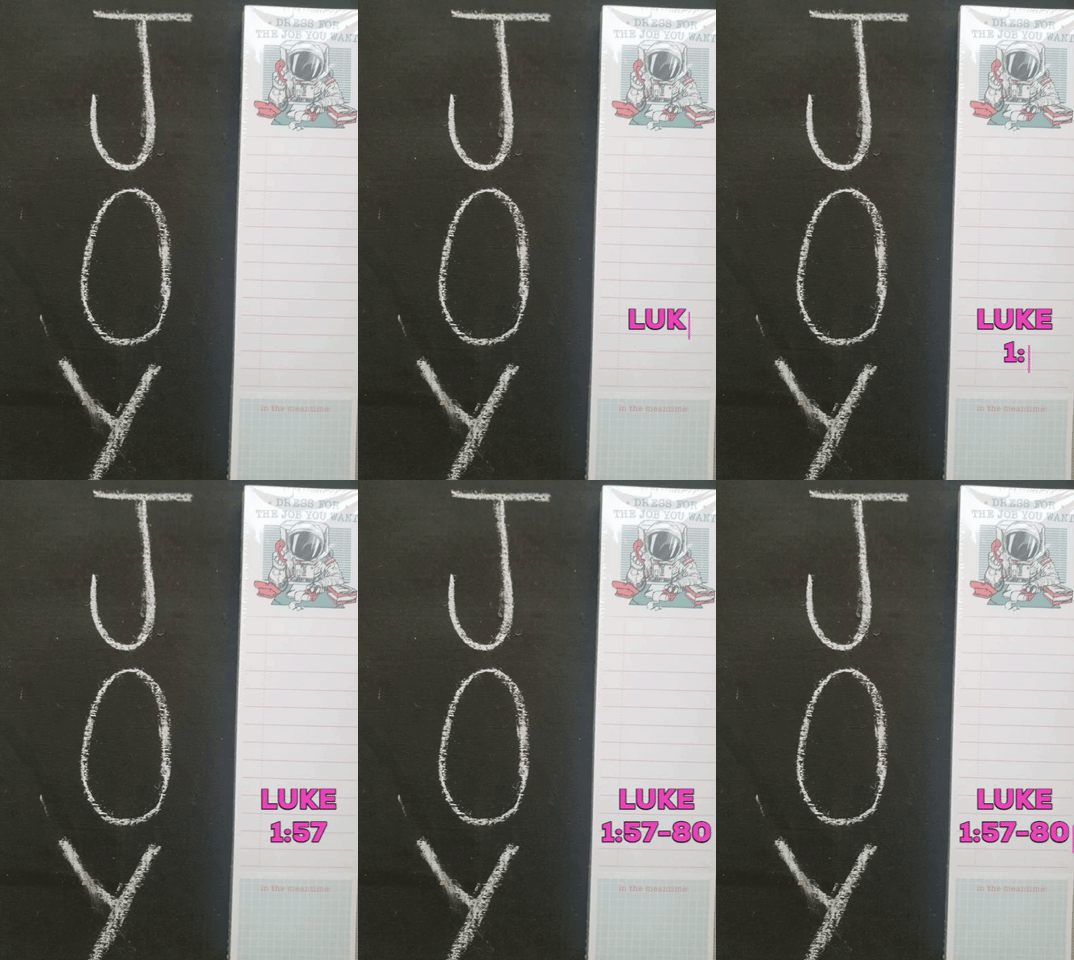
In Luke 1:57-80, we encounter significant events surrounding the births of John the Baptist and Jesus. Let’s explore the key points together:
John the Baptist’s Birth (Luke 1:57-66):
Elizabeth, the mother of John, gave birth to him.
Friends and relatives rejoiced at this miraculous event.
When it came time to name the child, they expected him to be named after his father, Zacharias.
However, Elizabeth insisted that his name would be “John.”
Zacharias confirmed this by writing on a tablet, and immediately his speech was restored.
The people recognized that something extraordinary was happening.
The Prophecy of Zacharias (Luke 1:67-80):
Zacharias, filled with the Holy Spirit, prophesied about John’s role.
John would be a prophet, preparing the way for the Messiah (Jesus).
His ministry would turn hearts toward God, leading to forgiveness of sins.
Zacharias also spoke of Jesus, emphasizing God’s mercy and grace.
John grew up in the wilderness, preparing for his public ministry.
In summary, Luke 1:57-80 highlights the divine purpose behind John’s birth and sets the stage for Jesus’ arrival. It reminds us that God’s plans often unfold in unexpected ways, even when the world seems focused elsewhere. If you have any more questions, feel free to ask! 😊
The text “Colossians 4:2-18” refers to a passage from the Bible, specifically the book of Colossians. Let’s explore the significance of this passage together:
Colossians 4:2-18 contains instructions and greetings from the apostle Paul to the Christian community in Colossae. Here are some key points:
Prayer and Devotion (Colossians 4:2-4):
Paul encourages believers to be devoted to prayer, watchful, and thankful.He asks for prayers on his behalf, especially for opportunities to share the gospel.
Conduct Toward Outsiders (Colossians 4:5-6):
Paul advises believers to interact wisely with non-believers, making the most of every opportunity.Their speech should be gracious and seasoned with salt, reflecting Christ’s love.
Personal Greetings (Colossians 4:7-18):
Paul sends greetings to various individuals, including Tychicus, Onesimus, Aristarchus, Mark, and Luke.He emphasizes unity, cooperation, and the importance of fellow believers supporting one another.
Overall, this passage highlights the significance of prayer, evangelism, wise conduct, and Christian fellowship. It encourages believers to live out their faith in practical ways and maintain strong relationships within the community of faith. 🙏✨
I got 4 free tickets to the Harrisburg Senators game on August 2nd @ 7…
The text “JOHN 7:1-9” refers to a specific passage from the Book of John in the Bible. Let’s explore its significance TOGETHER:
John 7:1-9 recounts an incident where Jesus’ brothers encourage Him to go to Judea for the Feast of Tabernacles. However, Jesus chooses not to go openly but later travels in secret. This passage highlights Jesus’ divine timing and purpose, as well as the tension surrounding His identity.
Context: The Feast of Tabernacles was a significant Jewish festival, and Jesus’ decision to attend or not had implications for His ministry and safety.
Themes: The passage touches on themes of faith, timing, and the world’s misunderstanding of Jesus’ mission.
Remember that interpretations may vary, but this provides a general overview. If you’d like more details or have other questions, feel free to ask! 😊📖
How does this passage connect to broader themes in John’s Gospel?
The passage in John 7:1-9 connects to several broader themes in the Gospel of John:
Opposition and Persecution: Jesus faced opposition from the Jewish leaders who sought to kill Him. His decision not to go openly to Judea reflects the danger He faced, emphasizing the theme of persecution.
Divine Timing: When Jesus tells His brothers that His time has not yet come, He highlights the importance of God’s timing. Throughout John’s Gospel, Jesus emphasizes that His actions align with God’s plan.
Belief and Unbelief: Even Jesus’ own brothers did not believe in Him. This contrasts with the theme of belief and unbelief that runs throughout John’s Gospel, where people respond differently to Jesus’ signs and teachings.
Worldly Hatred: Jesus acknowledges that the world hates Him because He testifies against its evil works. This theme of the world’s rejection of Jesus is central in John’s Gospel.
Overall, this passage underscores Jesus’ unique identity, His mission, and the tension between belief and unbelief.